Loading...
Loading...
Loading...
Behavioral disorders are persistent patterns of disruptive, defiant, or harmful behaviors in children and adults that last at least six months and interfere with daily functioning at home, school, or work.
Behavioral disorders are persistent patterns of disruptive, defiant, or harmful behaviors in children and adults that last at least six months and interfere with daily functioning at home, school, or work. These mental health conditions—including ADHD, ODD, and conduct disorder—go beyond typical misbehavior, often involving aggression, chronic inattention, or severe impulsivity.

Homeopathy offers a holistic, individualized approach to managing behavioral disorders (like ADHD, anxiety, and ODD) by treating the patient’s emotional, mental, and physical state as a whole. It uses highly diluted substances to improve behavior, cognitive function, and emotional stability, often used as a complementary strategy alongside conventional therapies.
Explore specific conditions and related treatments.
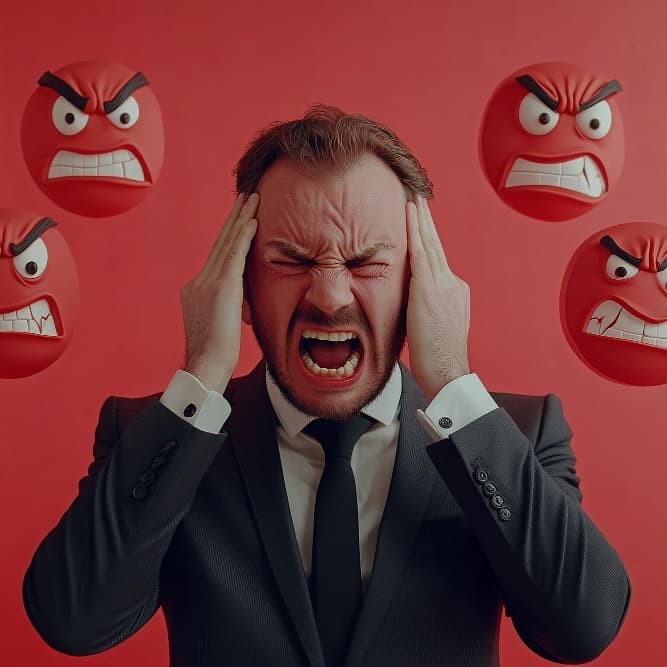
Anger management issues occur when normal feelings of anger become frequent, intense, or uncontrollable, leading to harmful effects on health, relationships, and daily functioning. They are not a medical disorder themselves but often signal underlying stress, mental health conditions, or poor coping strategies.
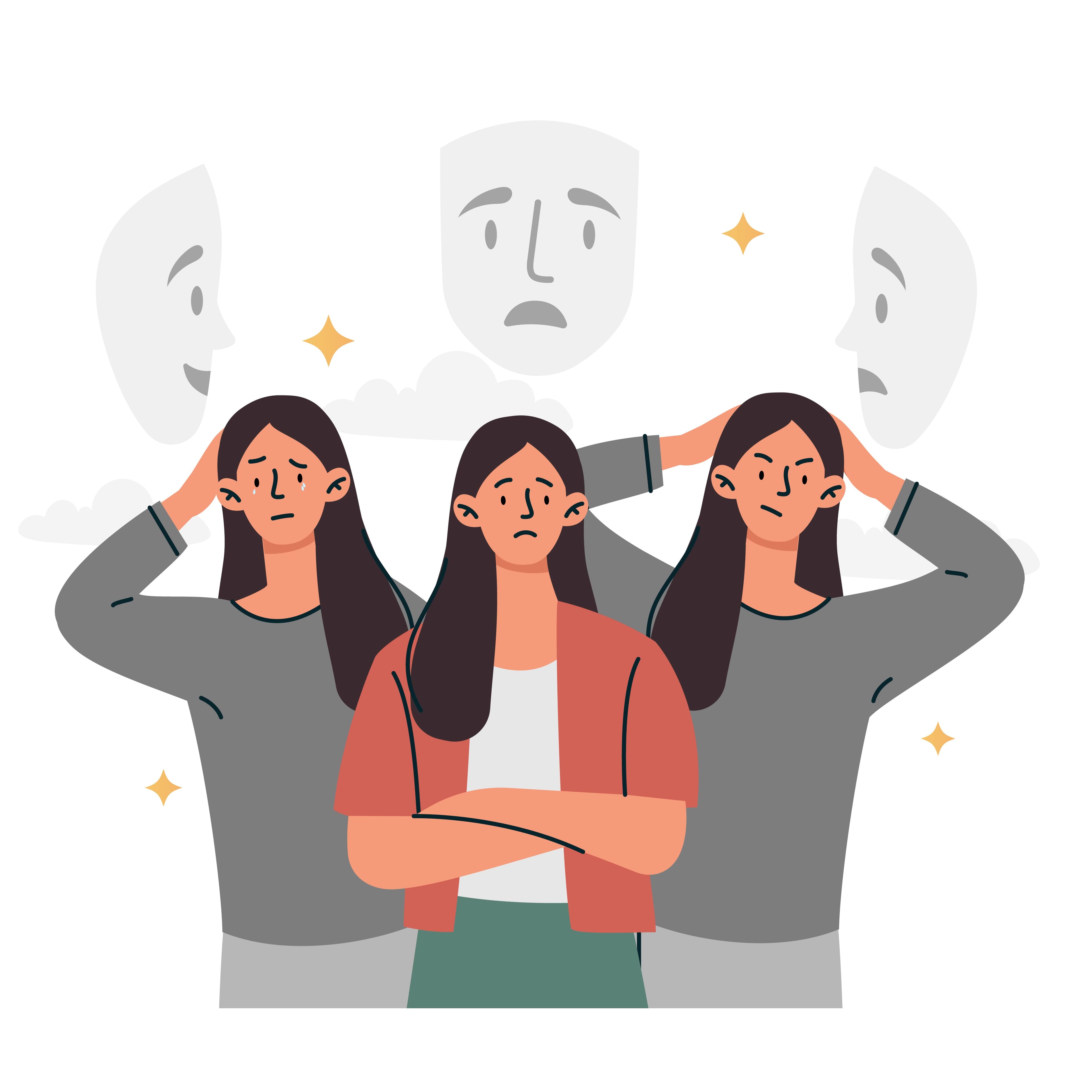

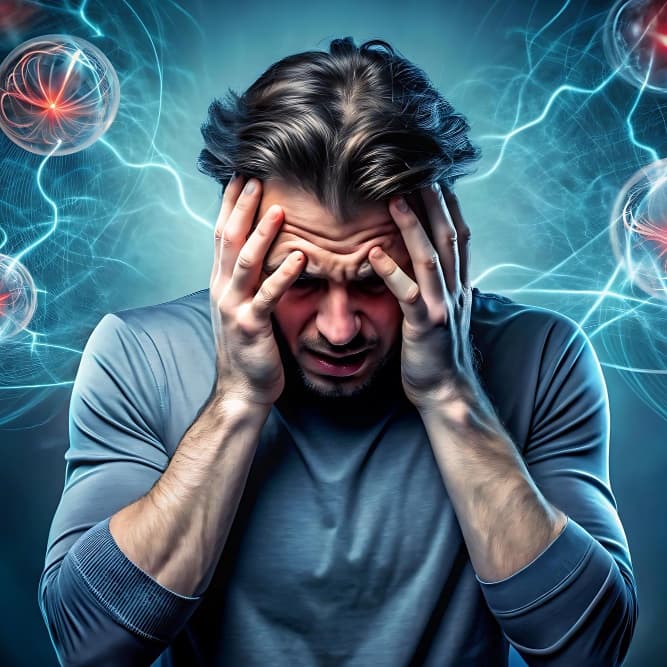
Impulse Control Disorders (ICDs) are a group of mental health conditions characterized by the inability to resist urges or impulses that may be harmful to oneself or others. These behaviors often provide temporary relief or gratification but lead to long-term negative consequences such as guilt, distress, or social and occupational problems.



Stress is the body’s natural response to pressure or demands, often triggered by challenging situations, changes, or perceived threats. It activates the “fight-or-flight” mechanism, releasing hormones like adrenaline and cortisol, which prepare the body to react.
Connect with experienced doctors who specialize in treating this condition and receive professional medical guidance.
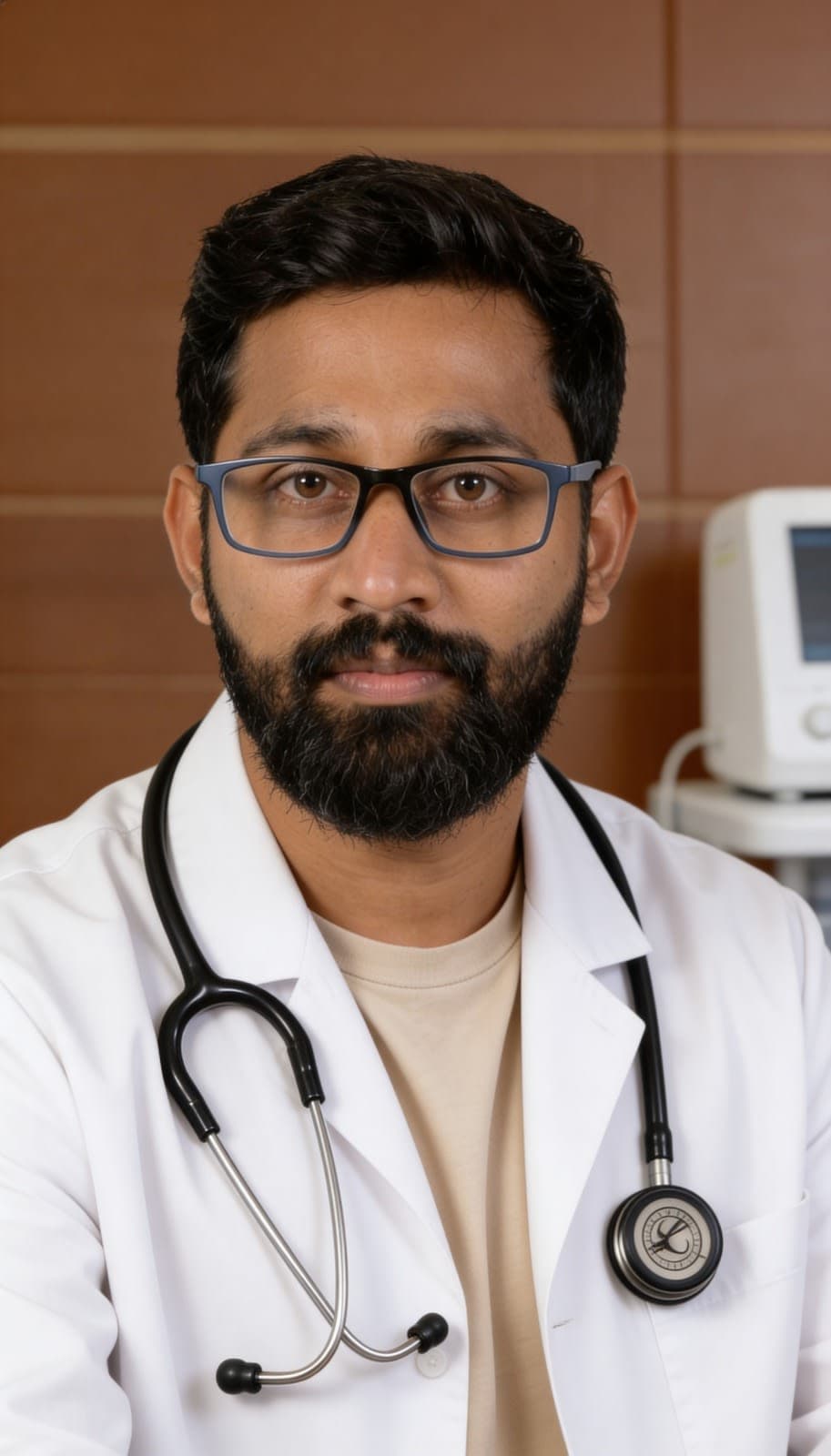
Qualifications: BHMS.(FMHMC), MSc Psychology and Counselling, PG Diploma in Guidance and Counselling, Diploma Interactive Drawing Therapy (IDT), Cognitive Behavioural Therapy (CBT), De‑addiction Training (NIMHANS).