Loading...
Loading...
Loading...
Self-harm refers to the intentional act of inflicting physical injury on oneself as a way to cope with overwhelming emotions, stress, or psychological distress.
Self-harm refers to the intentional act of inflicting physical injury on oneself as a way to cope with overwhelming emotions, stress, or psychological distress. It is not a mental illness itself but often a symptom of underlying conditions such as depression, anxiety, borderline personality disorder, or trauma-related disorders. Common forms include cutting, burning, hitting, or interfering with wound healing. While self-harm may provide temporary relief, it does not address the root causes and can lead to serious physical and emotional consequences.
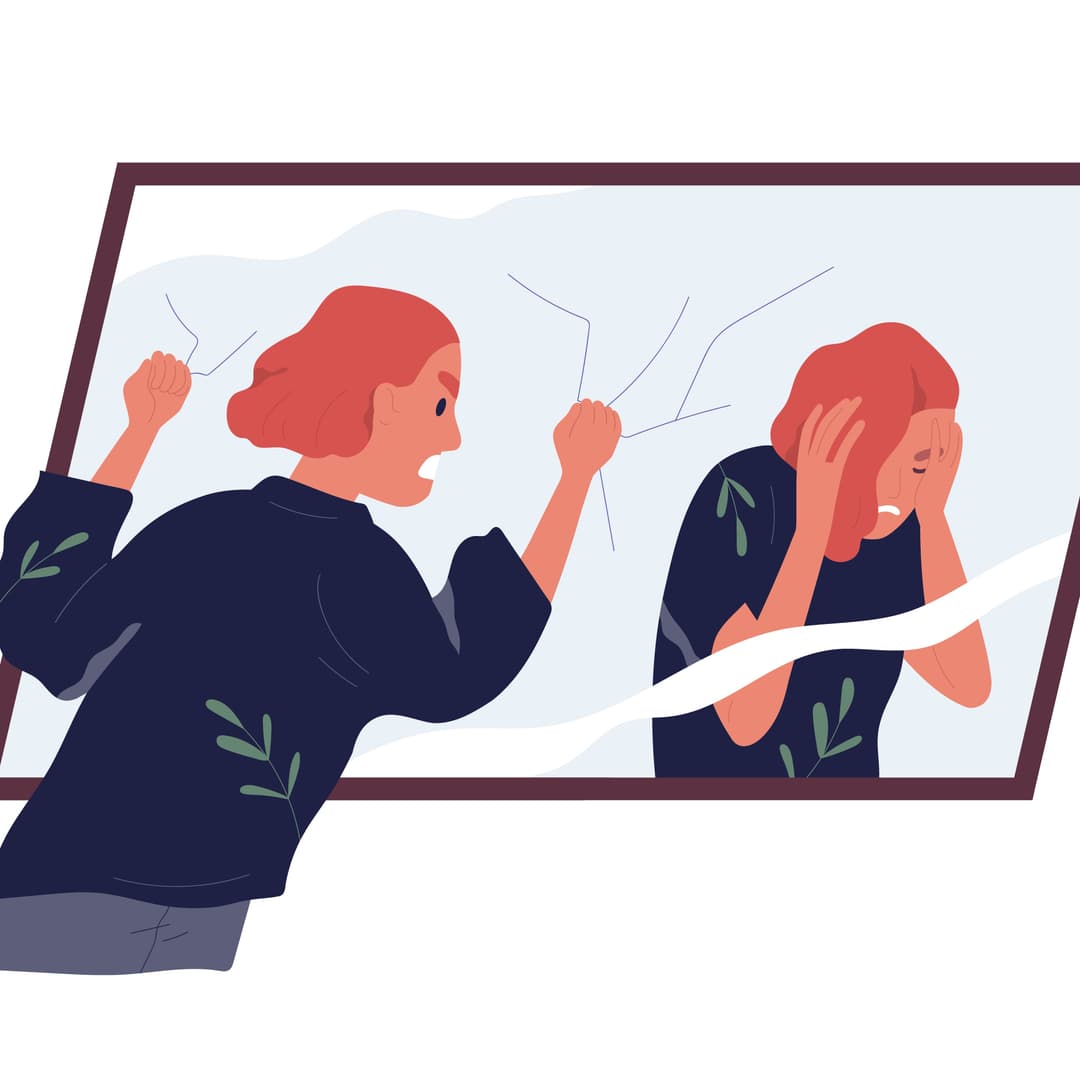
Important highlights and key medical insights about this condition.
Self-harm is often a coping strategy, not a suicide attempt, but risk of suicide is higher.
It affects millions worldwide, particularly adolescents and young adults.
Common methods include cutting, burning, hitting, or scratching.
It is linked to mental health conditions, trauma, and emotional regulation difficulties.
Connect with experienced doctors who specialize in treating this condition and receive professional medical guidance.

Qualifications: BHMS.(FMHMC), MSc Psychology and Counselling, PG Diploma in Guidance and Counselling, Diploma Interactive Drawing Therapy (IDT), Cognitive Behavioural Therapy (CBT), De‑addiction Training (NIMHANS).
Professional treatment may involve therapy (CBT, DBT), support groups, and addressing underlying conditions.
Recovery is possible with early intervention, healthy coping strategies, and strong social support.