Loading...
Loading...
Loading...
Impulse Control Disorders (ICDs) are a group of mental health conditions characterized by the inability to resist urges or impulses that may be harmful to oneself or others. These behaviors often provide temporary relief or gratification but lead to long-term negative consequences such as guilt, distress, or social and occupational problems.
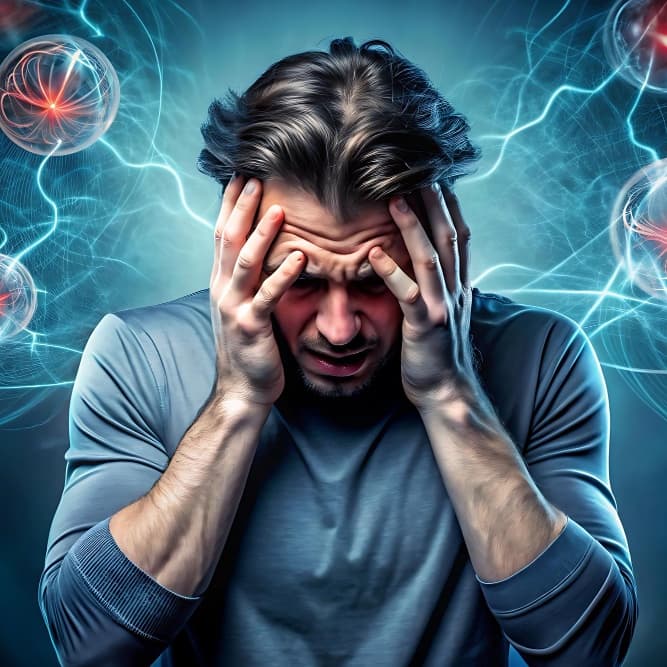
Important highlights and key medical insights about this condition.
ICDs are classified under disruptive, impulse-control, and conduct disorders in psychiatry.
They affect millions worldwide, often beginning in adolescence.
Impulsivity is linked to brain chemistry imbalances in serotonin and dopamine.
ICDs often co-occur with substance abuse, mood disorders, and anxiety disorders.
Connect with experienced doctors who specialize in treating this condition and receive professional medical guidance.

Qualifications: BHMS.(FMHMC), MSc Psychology and Counselling, PG Diploma in Guidance and Counselling, Diploma Interactive Drawing Therapy (IDT), Cognitive Behavioural Therapy (CBT), De‑addiction Training (NIMHANS).
Treatment includes Cognitive Behavioral Therapy (CBT), medication (SSRIs, mood stabilizers), and support groups.
Early intervention improves outcomes, but untreated ICDs can lead to serious social and legal consequences.