
Loading...
Loading...
Loading...
Personality disorders are a group of mental health conditions characterized by enduring patterns of thinking, feeling, and behaving that deviate significantly from cultural expectations.
Personality disorders are a group of mental health conditions characterized by enduring patterns of thinking, feeling, and behaving that deviate significantly from cultural expectations. These patterns are rigid, inflexible, and persistent, often causing distress or impairment in social, occupational, or daily functioning. Unlike temporary mood changes, personality disorders are long-term conditions that typically begin in adolescence or early adulthood.
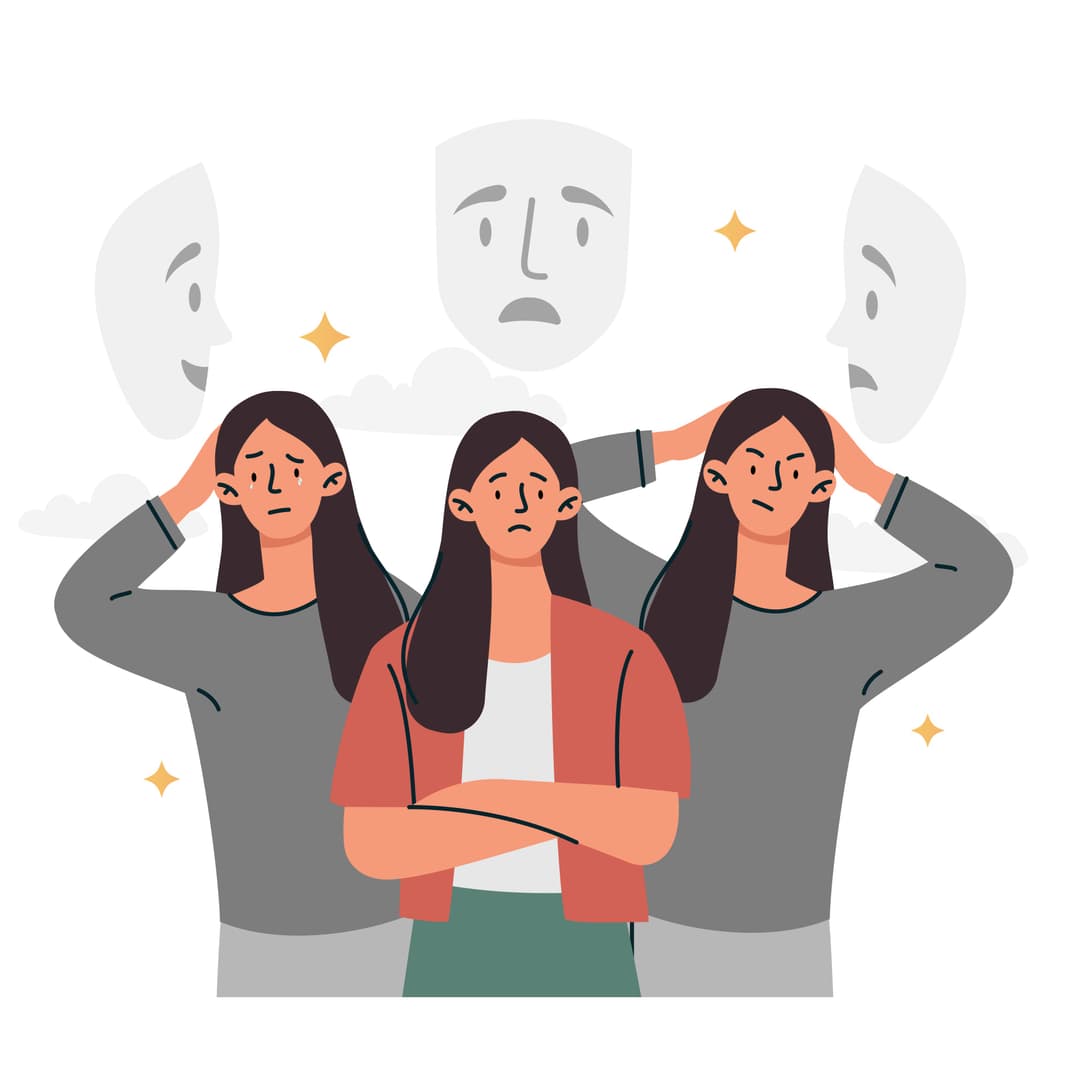
Important highlights and key medical insights about this condition.
Personality disorders are long-term, pervasive patterns, not short-term mood swings.
They are grouped into three clusters based on symptom similarities.
Causes are multifactorial—genetics, environment, and brain chemistry all play a role.
They often coexist with depression, anxiety, or substance abuse.
Connect with experienced doctors who specialize in treating this condition and receive professional medical guidance.

Qualifications: BHMS.(FMHMC), MSc Psychology and Counselling, PG Diploma in Guidance and Counselling, Diploma Interactive Drawing Therapy (IDT), Cognitive Behavioural Therapy (CBT), De‑addiction Training (NIMHANS).
Treatment involves psychotherapy (CBT, DBT, schema therapy); medications may help with coexisting symptoms.
Early recognition and intervention improve outcomes, but personality disorders are typically chronic conditions requiring long-term management.