Loading...

Loading...

Loading...
Homeopathy is a 200-year-old alternative medical system based on "like cures like" (treating symptoms with highly diluted substances) and "potentization" (dilution and shaking) to trigger self-healing.
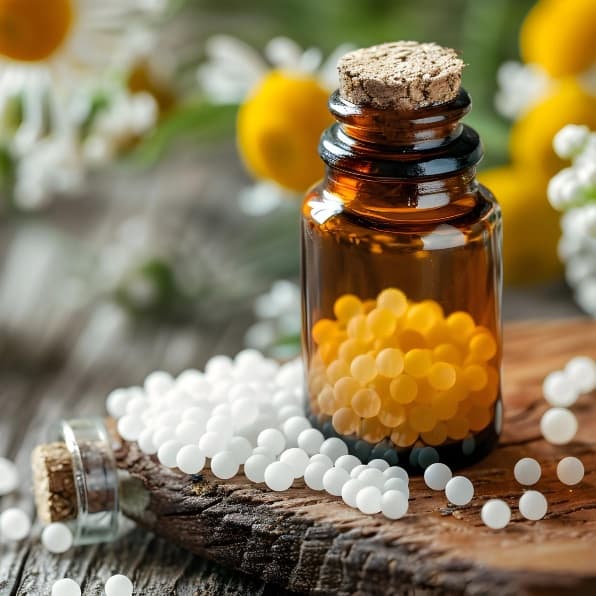
Homeopathy is an alternative, holistic system based on "like cures like" (Similia Similibus Curentur) and extreme dilution, suggesting that minute amounts of substances causing symptoms can trigger self-healing. Remedies are highly diluted through "succussion" (shaking) to activate properties.

Homeopathy takes a truly holistic approach. It recognizes all the symptoms of ill-health within the whole person. Hence it is the person who needs treatment for his suffering, rather than just the disease. Homeopathy aims at healing the whole person rather than just taking care of one or two symptoms unlike other forms of treatment. Homeopathy can be used to treat almost anything.
Explore specialised treatment areas under Homeopathy.


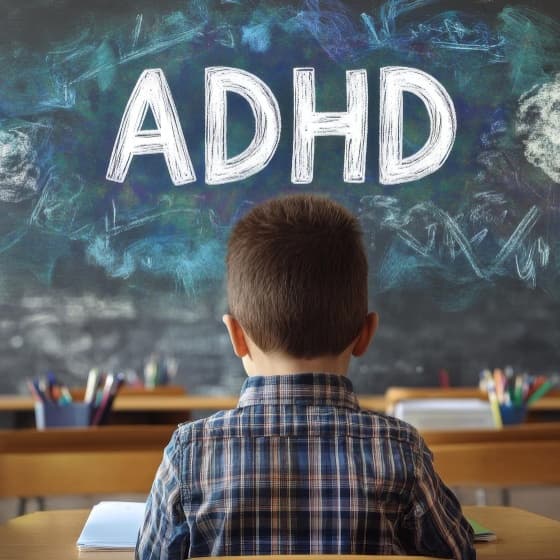
Attention-deficit/hyperactivity disorder (ADHD) is a chronic neurodevelopmental condition characterized by persistent, developmentally inappropriate levels of inattention, impulsivity, and hyperactivity that interfere with daily functioning.

Allergies occur when the immune system overreacts to harmless environmental substances (allergens) like pollen, food, or pet dander, causing symptoms such as sneezing, itching, rashes, or swelling.

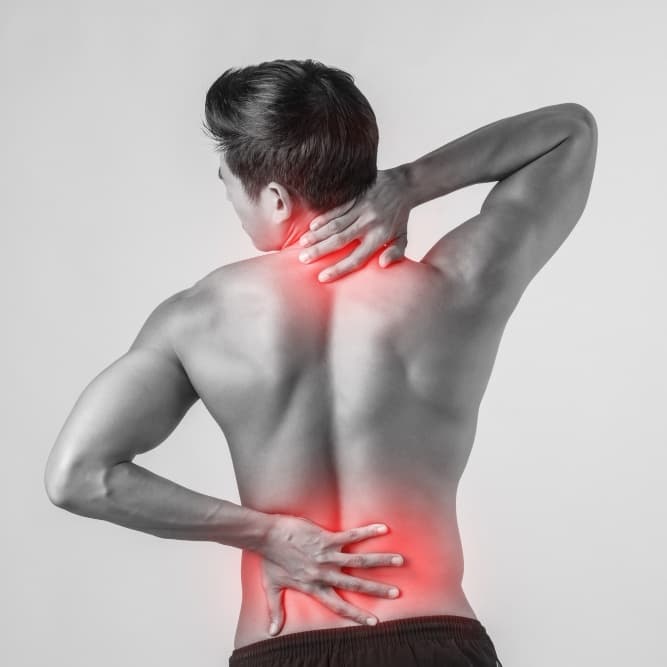
Back pain is pain felt along the spine — neck, mid‑back, or lower back — and can be a dull ache, sharp or burning pain, or shooting pain that radiates into the arms or legs. Most people recover with conservative care within days to weeks; about 8 in 10 people experience back pain at some point.

Behavioral disorders are persistent patterns of disruptive, defiant, or harmful behaviors in children and adults that last at least six months and interfere with daily functioning at home, school, or work.

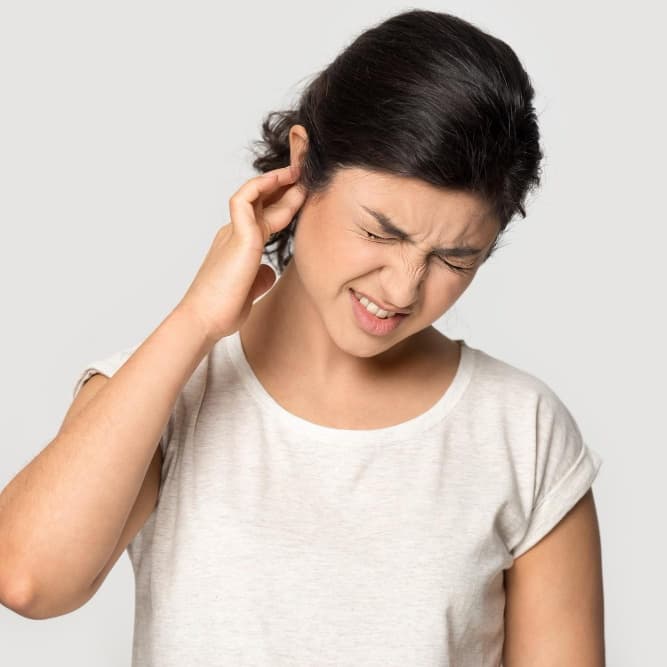
Ear complaints commonly involve ear pain (otalgia), reduced hearing, muffled sounds, tinnitus (ringing/roaring), dizziness/vertigo, and pressure or fullness, often caused by infections, fluid buildup, or wax impaction.

Common eye complaints include blurry vision, redness, pain, dryness, itching, and light sensitivity

Common female breast complaints include new lumps, persistent pain (mastalgia), nipple discharge, skin changes (redness, dimpling, thickening), or changes in size/shape.

Female reproductive disorders involve conditions affecting the uterus, ovaries, fallopian tubes, or hormonal balance, causing symptoms like pelvic pain, irregular bleeding, infertility, and hormonal imbalances.

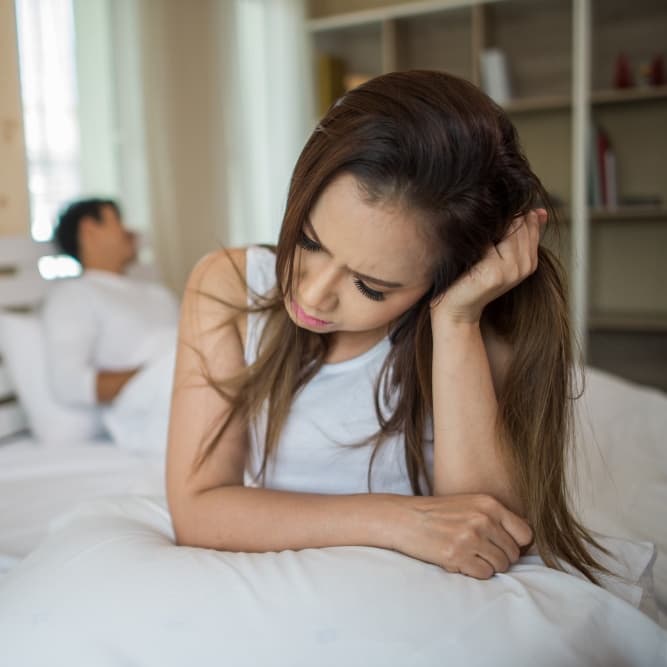
Female sexual health issues, or female sexual dysfunction (FSD), involve persistent, distressing problems with desire, arousal, orgasm, or pain during sexual activity.

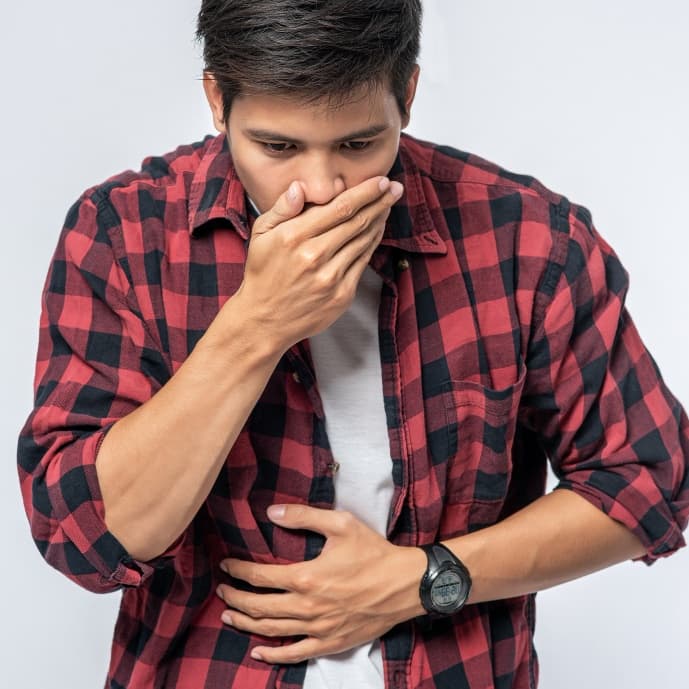
Gastrointestinal (GI) issues are disorders affecting the digestive tract—from esophagus to rectum—and accessory organs (liver, pancreas, gallbladder), ranging from mild indigestion to chronic diseases like IBS or IBD.

If you are uncertain about your health condition, you can select your preferred doctor from here. The doctors available here are specialized in a variety of general health issues.

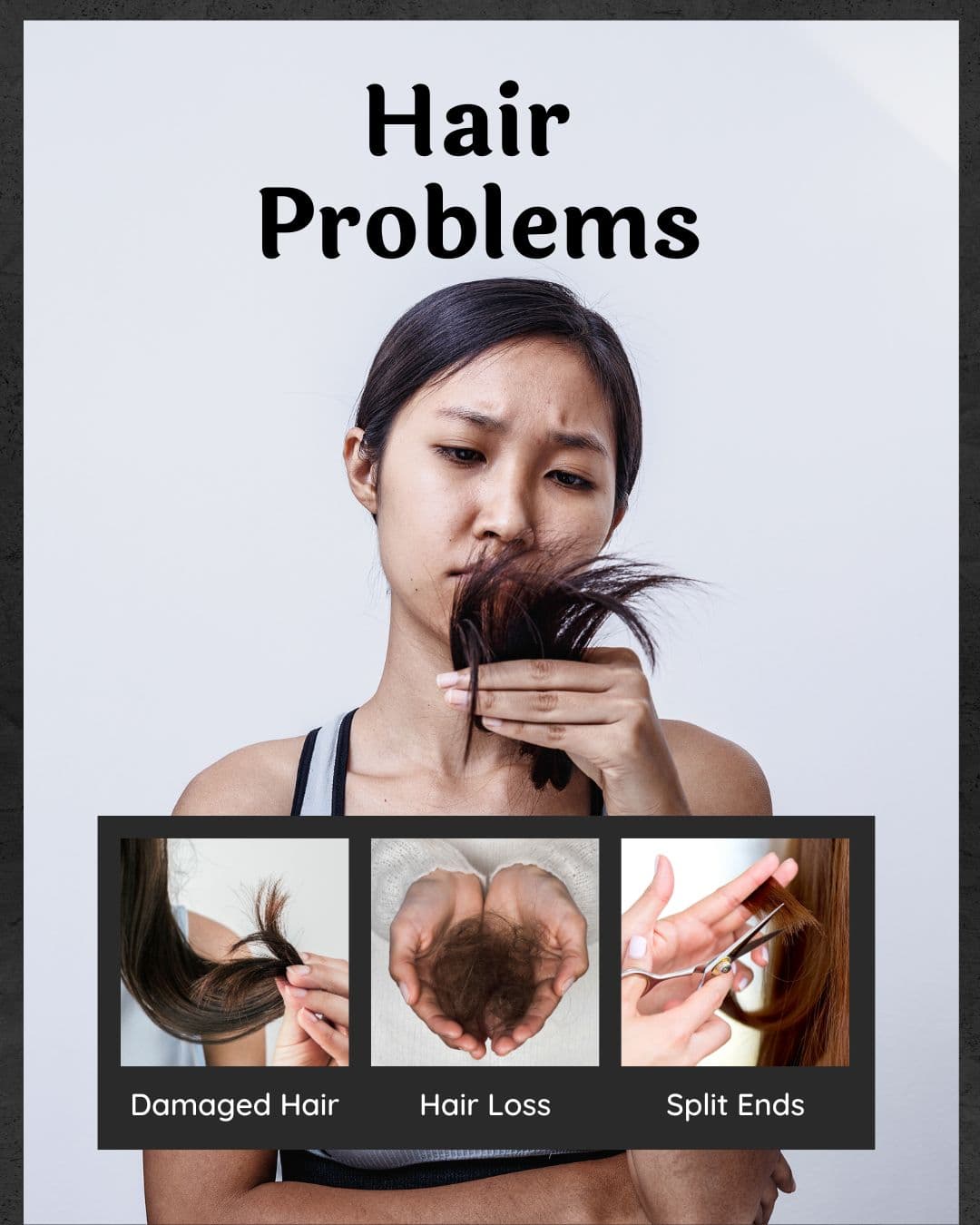
Hair problems encompass a range of conditions affecting hair growth, structure, and scalp health, primarily manifesting as thinning, patches of baldness, or excessive shedding.

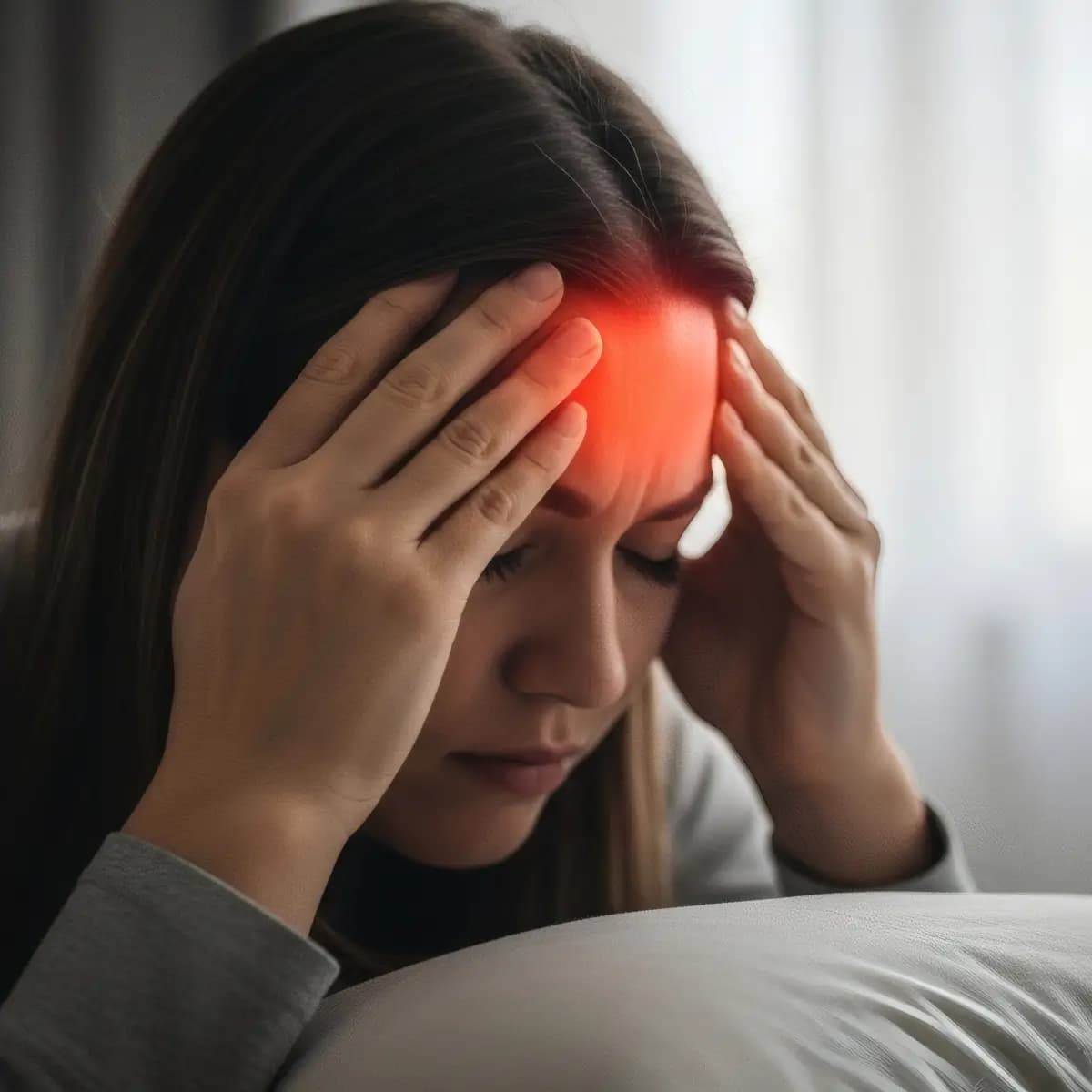
Headaches are pain or discomfort in the head or face, resulting from issues with nerves, blood vessels, or muscles rather than the brain itself. Types include tension (dull band), migraine (throbbing/severe), or cluster (severe, one-sided).

Hormonal imbalances occur when there is too much or too little of a hormone in the bloodstream, disrupting bodily functions like metabolism, reproduction, and mood.

Infertility is a disease of the reproductive system defined by the failure to achieve a clinical pregnancy after 12 months or more of regular, unprotected sexual intercourse. It affects both men and women, with causes split roughly equally between male factors, female factors, or both.
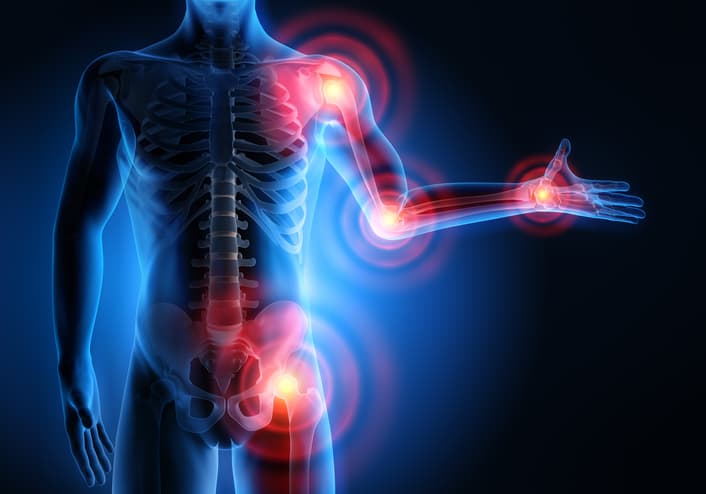
Joint and muscle issues involve pain, stiffness, swelling, and reduced range of motion, often caused by arthritis (osteoarthritis, rheumatoid arthritis), injuries (sprains, strains), or overuse (tendinitis, bursitis).

Here we deals with Diabetes, Hypertension, Hypotension, Obesity, Cancer, High Cholesterol, High Uric Acid

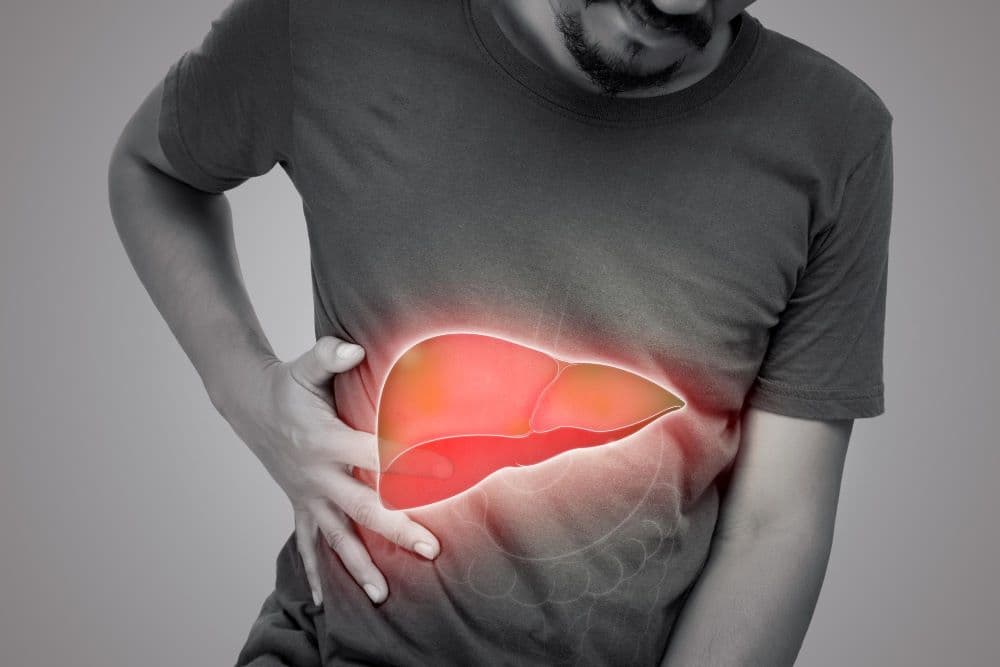
Liver disorders are conditions that damage the liver, impairing its ability to filter toxins, produce bile, and manage metabolism. Common symptoms include jaundice, abdominal swelling (ascites), fatigue, dark urine, and pale stools.

Male sexual health issues involve persistent physical or psychological difficulties, such as erectile dysfunction (ED), low libido, and premature ejaculation (PE), which often affect self-esteem and relationships.

A mental health condition, or disorder, is a medical issue affecting a person’s thinking, emotions, behavior, and social function, causing significant distress or impairment.

Mental illness refers to a wide range of health conditions that affect a person’s thoughts, emotions, behaviors, or ability to function in daily life. These conditions are real, common, and treatable. They are not character flaws, personal failures, or signs of weakness.
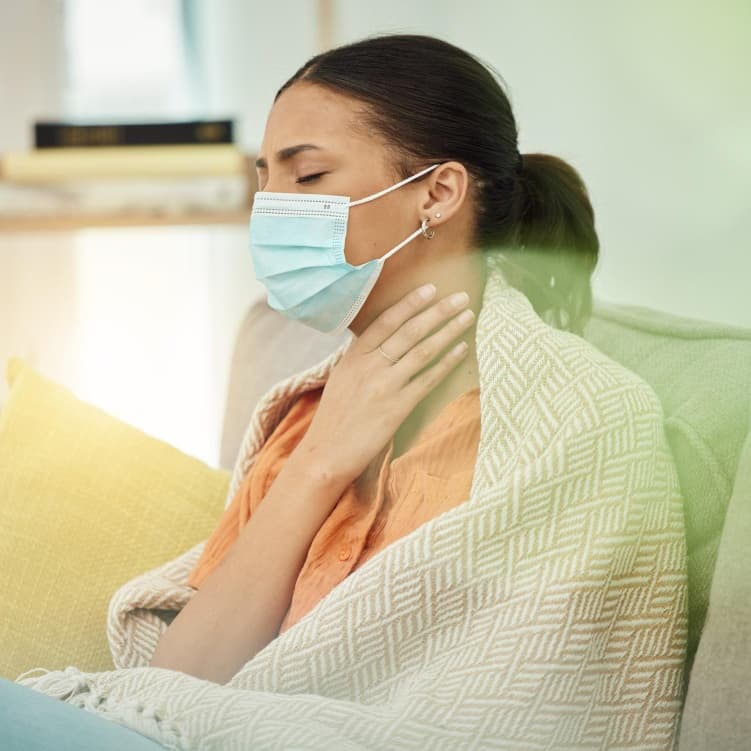
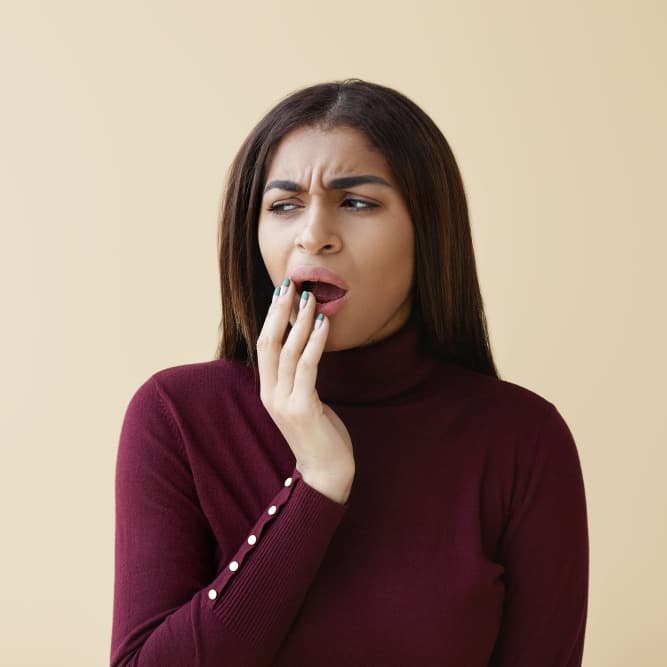
Nose and throat complaints refer to a wide range of conditions affecting the upper respiratory tract, including nasal congestion, sinus infections, sore throat, tonsillitis, allergies, and voice changes.

Oral health concerns involve preventable conditions affecting the mouth, teeth, and gums, primarily dental caries (decay), periodontal disease, tooth loss, and oral cancers.

Palliative homeopathy is a holistic, complementary approach aimed at improving the quality of life for patients facing serious, terminal, or incurable illnesses.

Here we deals with physical, emotional, and social health of infants, children, adolescents, and young adults from birth up to age 18–21

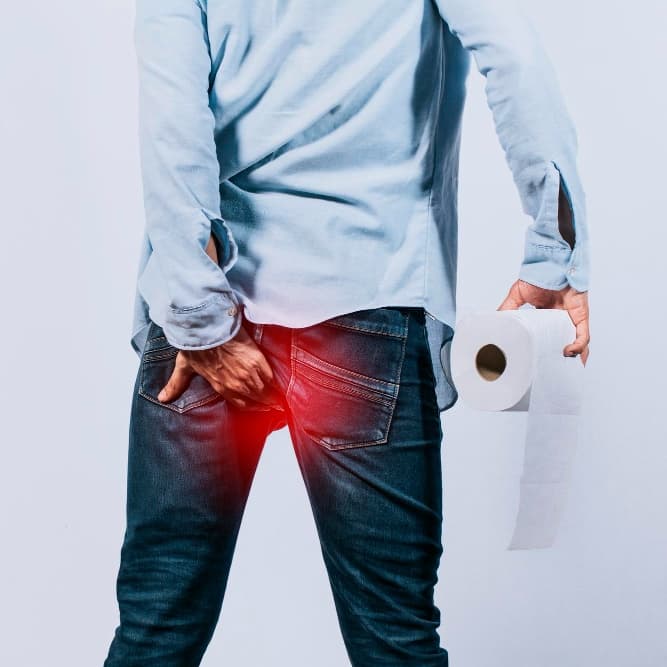
Piles (haemorrhoids) are swollen, inflamed blood vessels in the rectum or anus, causing discomfort, itching, and bright red bleeding, often triggered by straining, constipation, or pregnancy.

Pregnancy and postpartum refer to the period of maternal health before and after childbirth. Pregnancy is the stage when a woman carries a developing fetus, typically lasting around 40 weeks. The postpartum period begins immediately after delivery and extends for about six weeks, though physical and emotional recovery can take longer.

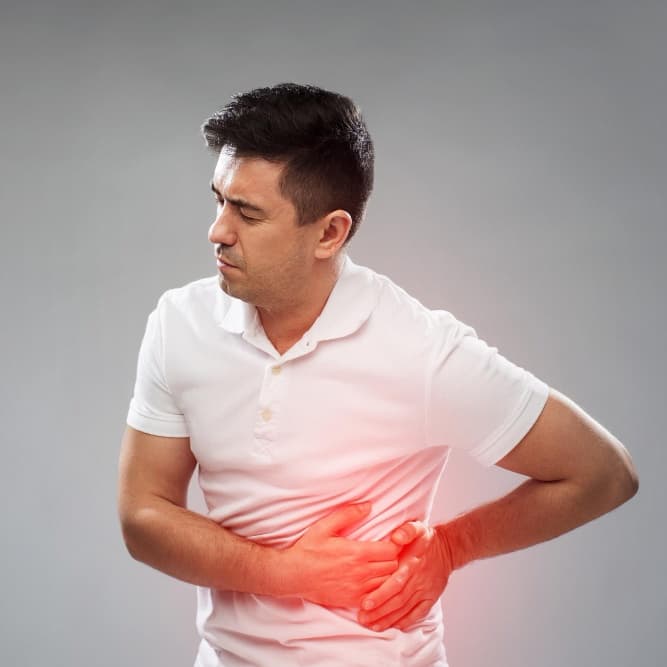
Respiratory complaints include a range of symptoms indicating issues with the airways, lungs, or breathing mechanism, such as shortness of breath (dyspnea), wheezing, chronic coughing, chest pain/tightness, and sputum production.

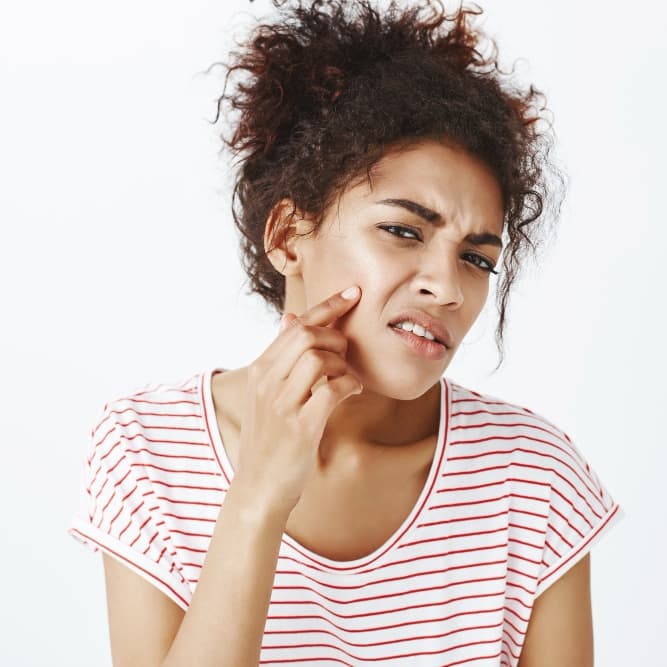
Here we deals with common issues of skin, affecting the epidermis, ranging from temporary rashes to chronic conditions

Stones (calculi) in the human body are hardened mineral/salt deposits that form when waste products in fluids crystallize, most commonly in the kidneys, gallbladder, or urinary tract.

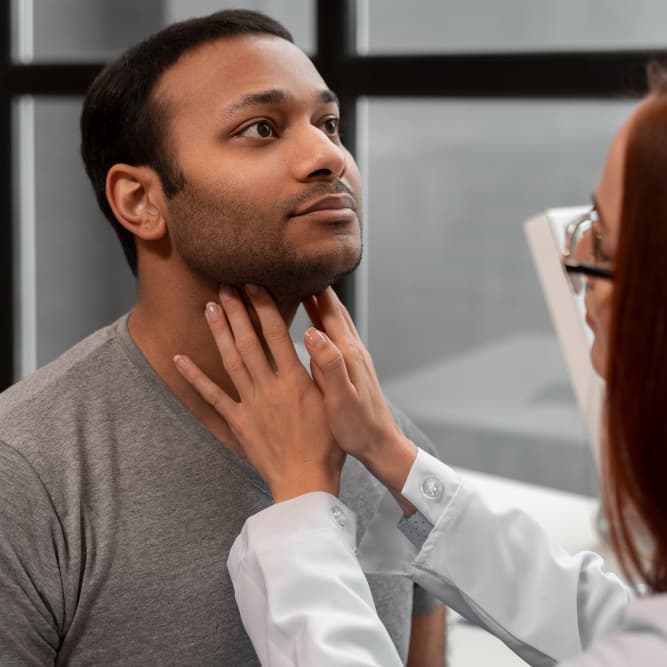
Thyroid disease refers to disorders that cause the butterfly-shaped thyroid gland in the neck to produce too much (hyperthyroidism) or too little (hypothyroidism) hormone.

Urinary complaints, often referred to as lower urinary tract symptoms (LUTS), encompass a range of issues involving the bladder, urethra, and kidneys, which can cause pain, discomfort, or difficulty with urine control.

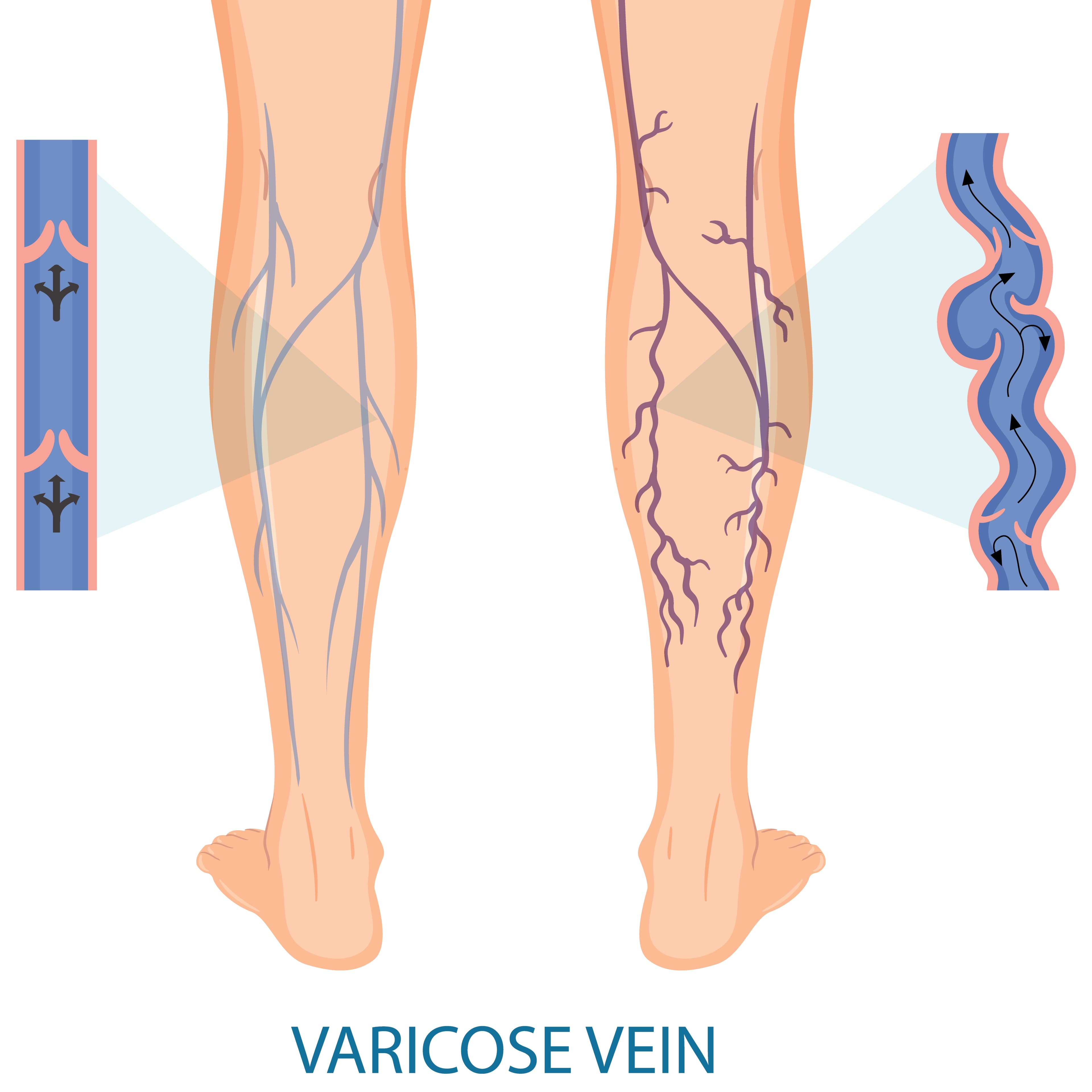
Varicose veins are swollen, twisted, and enlarged veins, usually deep purple or blue, that appear just under the skin in the legs, ankles, or feet.
Learn more about this speciality and how our experts help you achieve better health outcomes.
Homoeopathy is suitable for people of all ages, including infants, pregnant women, and the elderly, when prescribed appropriately by a qualified practitioner.
Homoeopathic remedies are generally considered safe because they are highly diluted. However, it is important to consult a qualified practitioner before starting any treatment.
Yes, homoeopathy can often be used alongside conventional treatments, but it should be done under the guidance of a healthcare professional.
Homoeopathy is used for a wide range of conditions, from head to toe including allergies, migraines, digestive issues, skin problems, anxiety, and chronic pain, etc.... Treatment is personalized based on individual symptoms.
Important highlights and key medical insights about this condition.
Origin: Homoeopathy was developed in the late 18th century by German physician Samuel Hahnemann.
Core Principle: It’s based on the idea of “like cures like” — meaning a substance that causes symptoms in a healthy person can, in very small doses, treat similar symptoms in a sick person
Dilution Process: Remedies are made through repeated dilution and shaking (called potentization), which practitioners believe enhances the healing properties while minimizing toxicity.
Individualized Treatment: Homoeopathic practitioners often tailor remedies to each person’s specific physical, emotional, and mental symptoms.
Natural Sources: Remedies are derived from plants, minerals, and animal substances.
Global Use: Homoeopathy is practiced worldwide and recognized by the World Health Organization as one of the most commonly used forms of alternative medicine.