Loading...
Loading...
Loading...
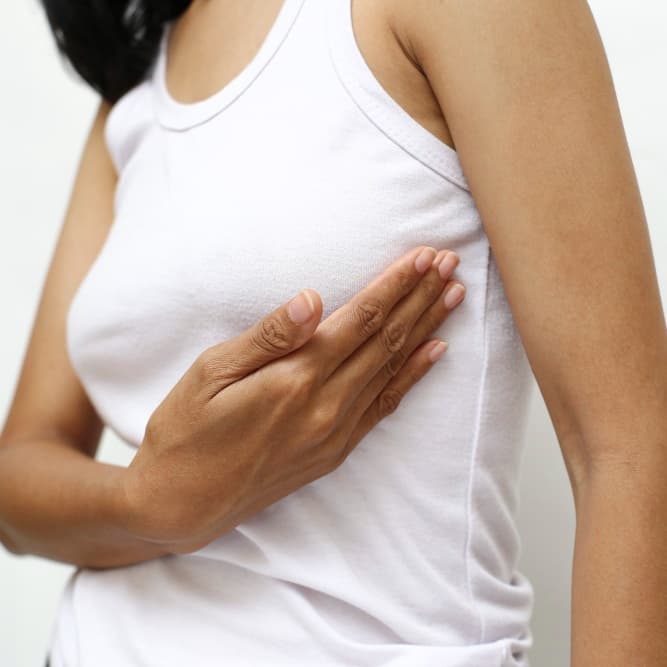
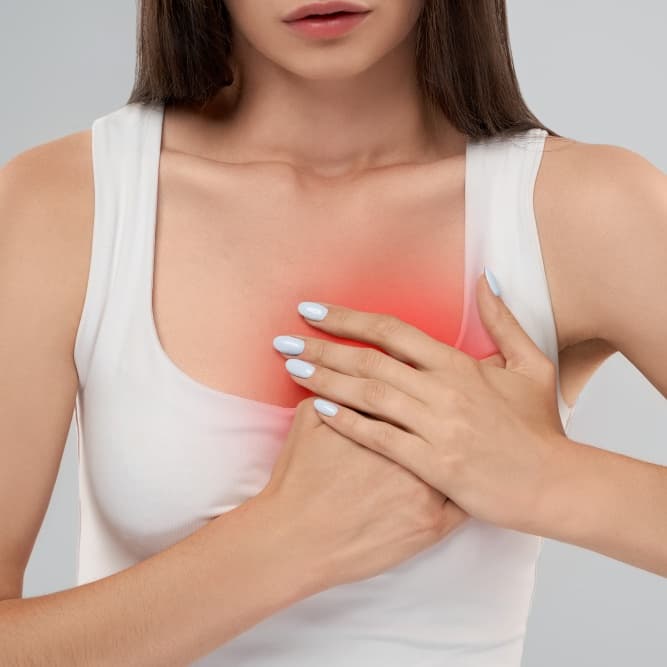
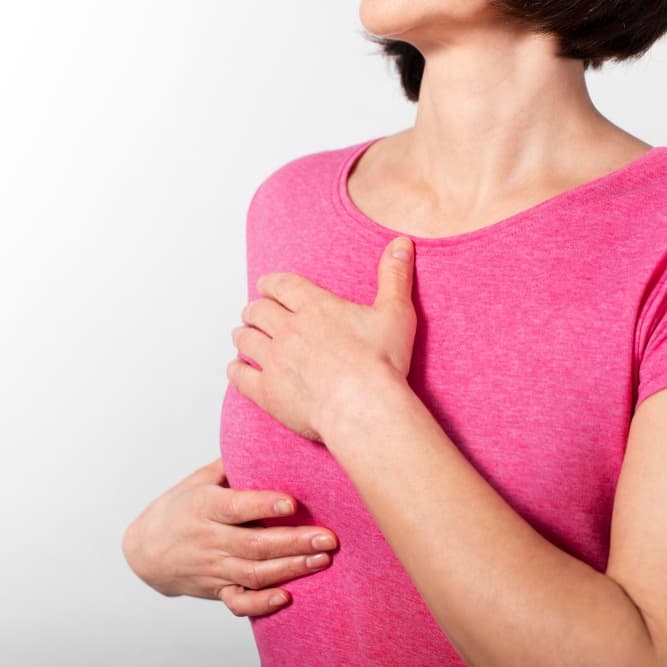
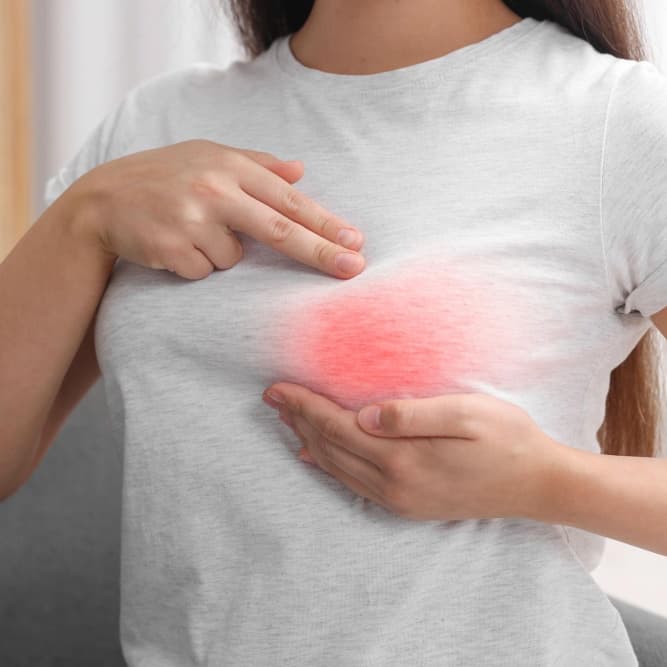
Common female breast complaints include new lumps, persistent pain (mastalgia), nipple discharge, skin changes (redness, dimpling, thickening), or changes in size/shape.
Female breast complaints are common issues, including pain, lumps, nipple discharge, or skin changes, frequently caused by hormonal fluctuations, benign conditions (like fibrocystic changes), or infections.
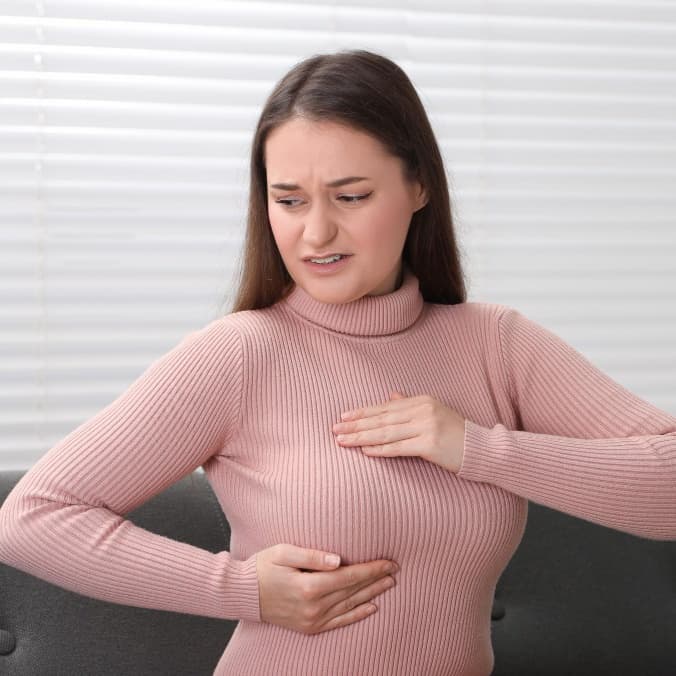
Homeopathy helps manage female breast complaints such as engorgement, pain (mastalgia), and fibrocystic disease by using individualized remedies to relieve discomfort. It acts as a complementary therapy to treat benign lumps (fibroadenoma).
Explore specific conditions and related treatments.
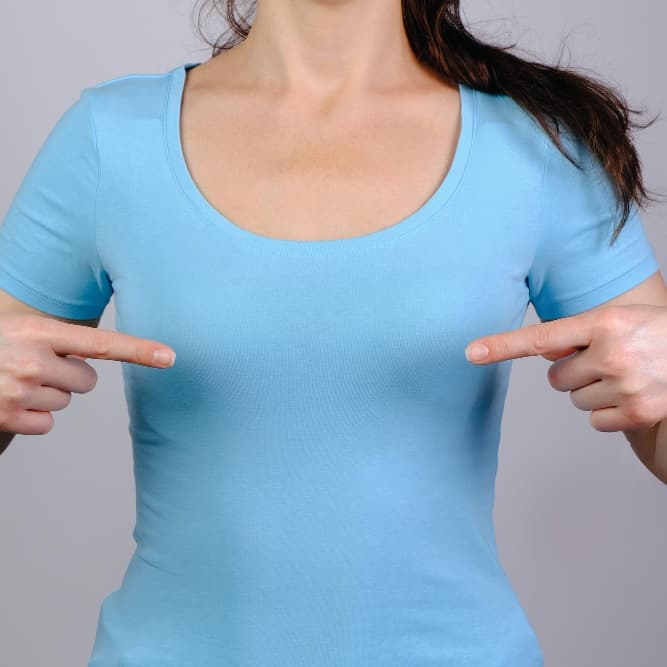
Important highlights and key medical insights about this condition.
Most Lumps are Benign: Finding a lump or experiencing pain does not automatically mean cancer.
Common Causes: Fibrocystic changes (lumpy/tender breasts), cysts (fluid-filled sacs), and fibroadenomas (solid, movable tumors) are the most common causes of breast complaints.
Hormonal Influence: Many complaints, particularly pain, are linked to menstrual cycles, pregnancy, or hormone replacement therapy.
Breast Pain (Mastalgia): Experienced by up to 70% of women. It is divided into cyclic (linked to periods, often both breasts) and non-cyclic (unrelated to periods, often one area of one breast).
Breast Cysts: Fluid-filled sacs that can be tender and feel like a smooth, round lump. They are common in premenopausal women.
Nipple Discharge: Can be caused by infections, medication, or benign growths (intraductal papilloma).
Connect with experienced doctors who specialize in treating this condition and receive professional medical guidance.
Qualifications: BHMS , BHS(Public Health ,Canada)

Qualifications: BHMS.(FMHMC), MSc Psychology and Counselling, PG Diploma in Guidance and Counselling, Diploma Interactive Drawing Therapy (IDT), Cognitive Behavioural Therapy (CBT), De‑addiction Training (NIMHANS).

Qualifications: BHMS