Loading...
Loading...
Loading...
Breast size and shape commonly change due to hormones (menstrual cycle, pregnancy, menopause), weight fluctuations, aging, and genetics.
Breast size or shape changes refer to natural variations in the volume, contour, or firmness of the breasts, commonly caused by hormonal fluctuations (menstrual cycle, pregnancy, menopause), weight changes, aging, or breast surgery. While often normal, sudden, persistent changes or asymmetry may indicate an underlying condition.
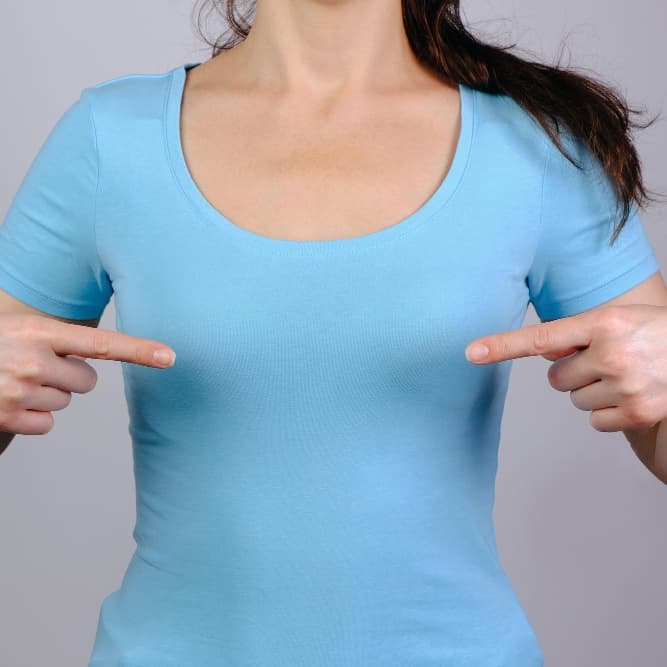
Homeopathy addresses breast size or shape changes primarily by balancing underlying hormonal imbalances, managing tender conditions, or treating constitutional issues rather than direct tissue enhancement. It potentially supporting shape, tenderness, and atrophy-related concerns.
Important highlights and key medical insights about this condition.
No Two Breasts Are Alike: Asymmetry is normal; typically, the left breast is slightly larger than the right.
Not All Lumps Are Cancerous: Lumpy or cord-like tissue is often normal, but new, persistent lumps should be checked.
Bra Habits Do Not Shape Breasts: Wearing or not wearing a bra (including to bed) does not cause sagging, though they are necessary for comfort and limiting movement during exercise.
Wait and See: After weaning a baby, the milk-producing structures revert, often leading to a temporary "empty" or flattened appearance.
Puberty: The first major shift, where breast buds form and estrogen increases fat and connective tissue, often leading to rapid growth.
Hormonal Cycles: Monthly fluctuations in estrogen and progesterone (particularly during the luteal phase) often cause temporary swelling, tenderness, and increased lumpiness before menstruation.
Learn more about this speciality and how our experts help you achieve better health outcomes.
Breast size or shape changes affect almost everyone with breast tissue, largely driven by hormone fluctuations, aging, and weight changes
See a doctor immediately if you notice new, persistent, or unusual breast changes, including a lump, significant size/shape change, skin dimpling, or nipple inversion, especially if they are new.
Connect with experienced doctors who specialize in treating this condition and receive professional medical guidance.

Qualifications: BHMS.(FMHMC), MSc Psychology and Counselling, PG Diploma in Guidance and Counselling, Diploma Interactive Drawing Therapy (IDT), Cognitive Behavioural Therapy (CBT), De‑addiction Training (NIMHANS).

Qualifications: BHMS