Loading...
Loading...
Loading...
Mental illness refers to a wide range of health conditions that affect a person’s thoughts, emotions, behaviors, or ability to function in daily life. These conditions are real, common, and treatable. They are not character flaws, personal failures, or signs of weakness.
Homeopathy is used as a complementary approach to support emotional well‑being. It focuses on individualized care, where a practitioner considers a person’s overall physical and emotional state before recommending remedies. It’s important to remember that mental health conditions are real medical concerns. Homeopathy should not replace evidence‑based care such as therapy, counselling, or medical treatment. Many people use homeopathy alongside professional mental health support to help with stress, mood balance, or general wellness.

Homeopathic remedies are generally considered low‑risk when used as directed, because they are highly diluted. However, “low‑risk” does not mean a person should manage mental health symptoms on their own. If someone is experiencing changes in mood, thinking, or behavior, it’s important to connect with a qualified mental health professional. Homeopathy can be part of a broader wellness plan, but it should be used in addition to, not instead of, professional care and personal support from trusted people
Explore specific conditions and related treatments.
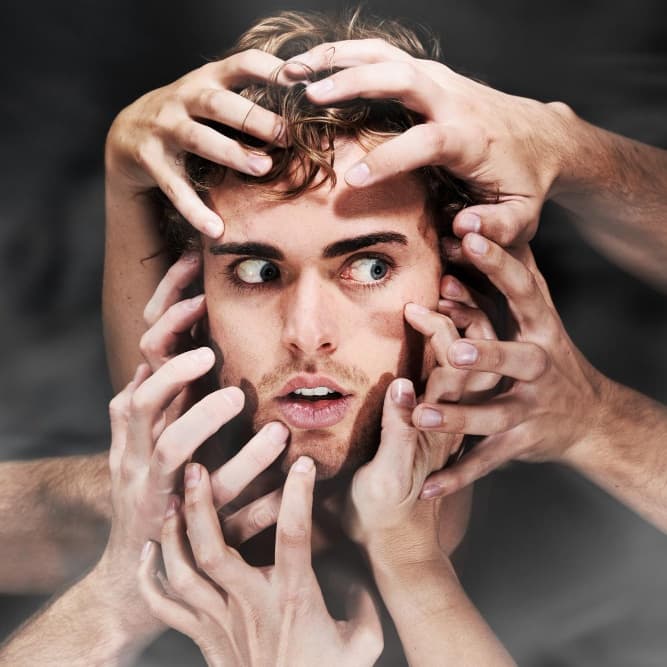
Schizophrenia is a serious mental‑health condition that affects perception, thinking, emotions, and daily functioning. Individuals may experience hallucinations, delusions, disorganized thoughts, emotional withdrawal, or difficulty managing daily tasks. Homoeopathy does not replace psychiatric or medical treatment, but it can offer gentle, complementary support that helps strengthen emotional resilience, reduce sensitivity to stress, and support long‑term balance. At Healora Wellness Centre, homoeopathic care is used to support the whole person mind, body, and emotional vitality
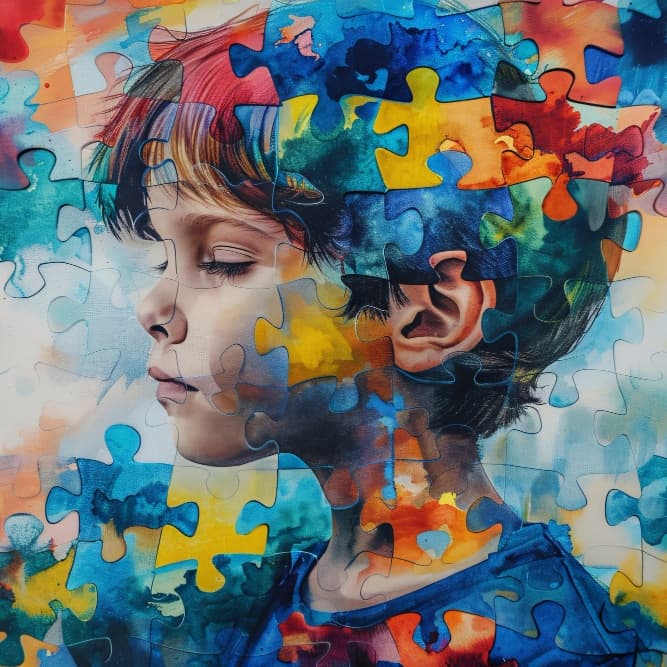
Autism, or Autism Spectrum Disorder (ASD), is a neurodevelopmental condition that affects how a person communicates, interacts with others, processes information, and experiences the world. It is called a spectrum because autistic people have a wide range of strengths, challenges, and support needs. Autism is not an illness, not caused by parenting, and not something to “cure.” It is a natural variation in human development.
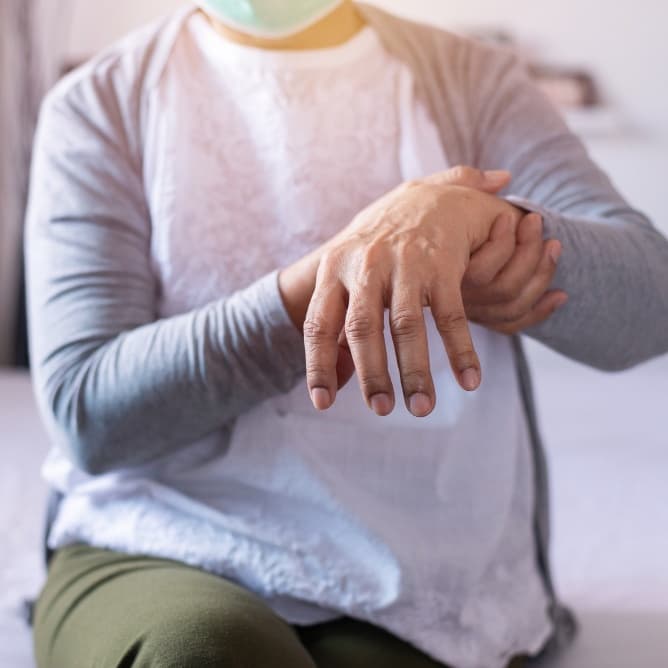
Parkinsonism is a term used to describe a group of neurological conditions that cause movement‑related symptoms similar to those seen in Parkinson’s disease. These symptoms happen because of changes in the parts of the brain that help control movement, balance, and coordination. Parkinsonism is not one single condition—it includes Parkinson’s disease as well as other disorders that share similar features.
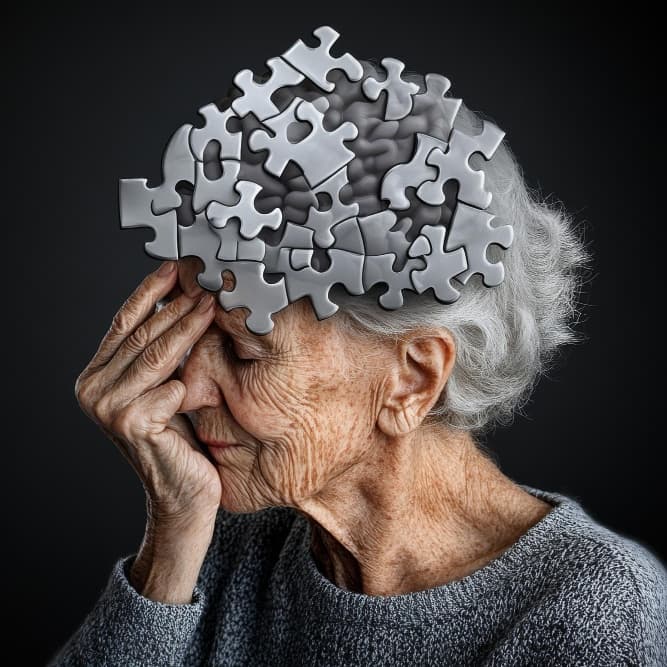
Alzheimer’s Disease is a progressive neurological condition that affects memory, thinking, behaviour, and daily functioning. Individuals may experience forgetfulness, confusion, difficulty performing familiar tasks, mood changes, and reduced independence over time. Homoeopathy does not replace medical or neurological treatment, but it can offer gentle, complementary support that helps improve emotional stability, reduce stress sensitivity, and strengthen overall vitality. At Healora Wellness Centre, homoeopathic care is used to support the whole person mind, body, and emotional resilience alongside professional medical care.
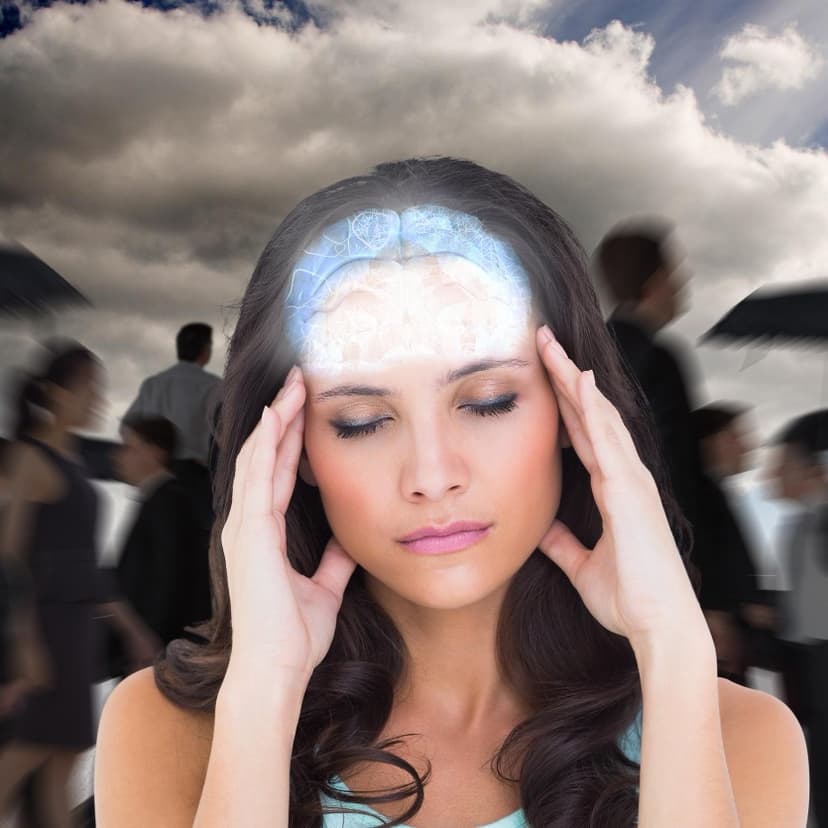
Hallucinations involve perceiving sounds, sights, sensations, or smells that are not actually present. They can occur in various mental‑health conditions, neurological issues, severe stress, trauma, sleep disturbances, or medical illnesses. Homoeopathy does not replace psychiatric or medical treatment, but it can offer gentle, complementary support that helps reduce sensitivity, calm emotional reactivity, and strengthen the vital force. At Healora Wellness Centre, homoeopathic care is used to support the whole person mind, body, and emotional resilience alongside professional mental‑health care.
Connect with experienced doctors who specialize in treating this condition and receive professional medical guidance.
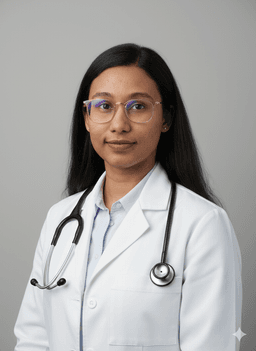
Qualifications: BHMS , BHS(Public Health ,Canada)
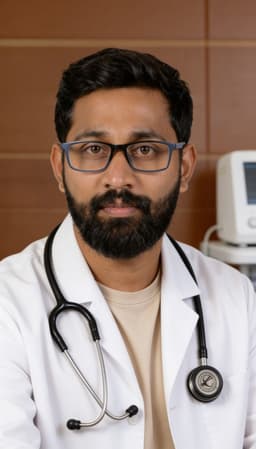
Qualifications: BHMS.(FMHMC), MSc Psychology and Counselling, PG Diploma in Guidance and Counselling, Diploma Interactive Drawing Therapy (IDT), Cognitive Behavioural Therapy (CBT), De‑addiction Training (NIMHANS).