Loading...

Loading...

Loading...
Common eye complaints include blurry vision, redness, pain, dryness, itching, and light sensitivity
Eye complaints encompass a wide range of symptoms indicating potential vision issues or ocular diseases, including blurry vision, red eyes, pain, itching, dryness, tearing, and light sensitivity. Common causes include refractive errors, infections, or fatigue.

Homeopathy offers a holistic, non-toxic approach to managing various eye complaints by stimulating the body's self-healing mechanisms, often used for acute conditions like conjunctivitis, eye strain, injuries, and chronic issues like allergies. It aims to treat the patient based on specific symptoms rather than just the disease, focusing on relieving inflammation, pain, and irritation, typically with high dilution remedies.
Explore specific conditions and related treatments.
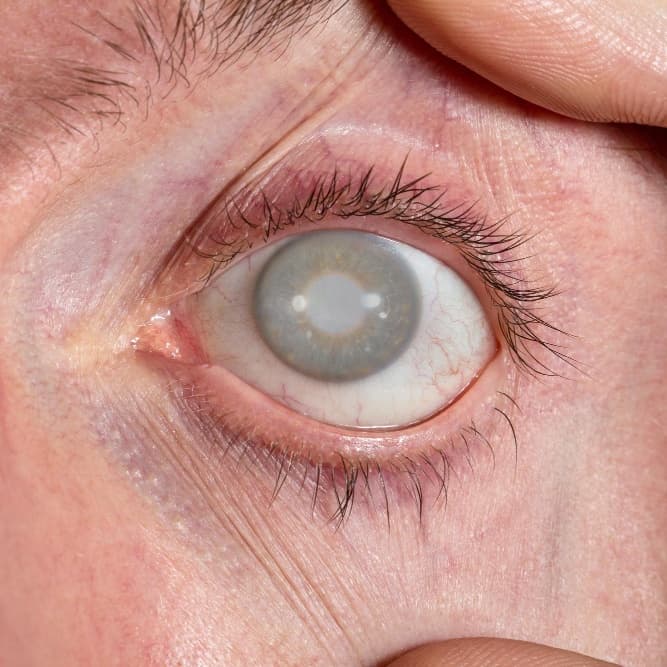
Glaucoma is a group of eye diseases that damage the optic nerve that is responsible for transmitting visual information to the brain, often causing permanent blindness.

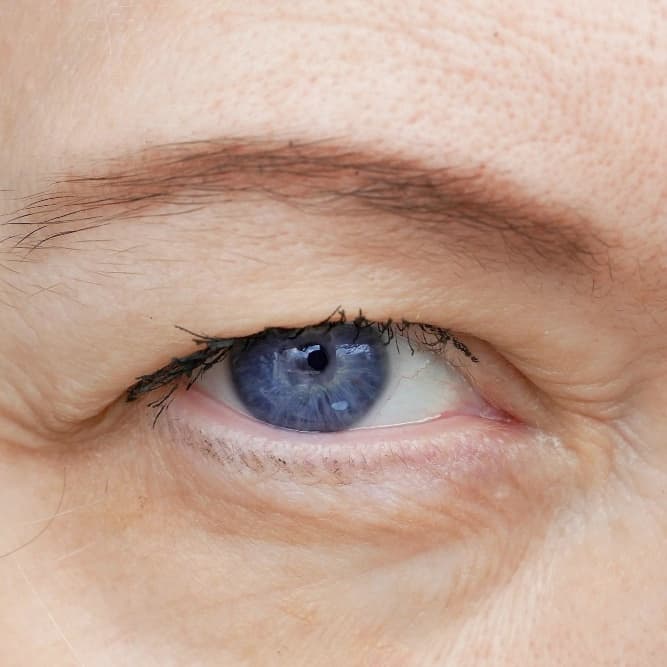
Ptosis is the medical term for drooping of the upper eyelid, which can affect one or both eyes and may be present at birth (congenital) or develop later (acquired).

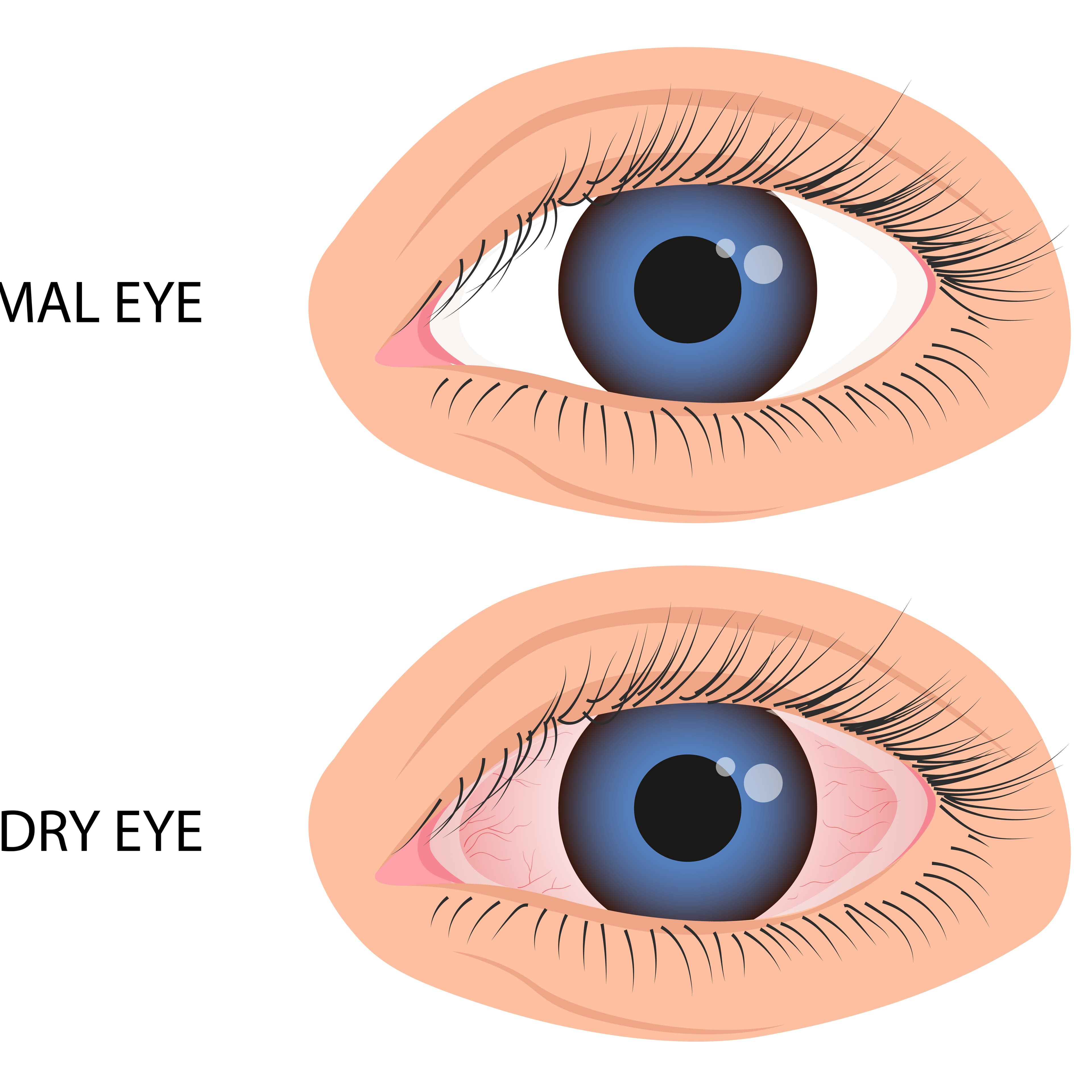
Dry eye is a common, chronic condition where the eyes do not produce enough tears or tears evaporate too quickly, leading to poor lubrication.

Eye floaters are small, moving specks, dots, lines, or cobwebs in your vision caused by clumps in the eye's vitreous gel. Flashes are sparks or streaks of light (photopsias) caused by the vitreous pulling on the retina.

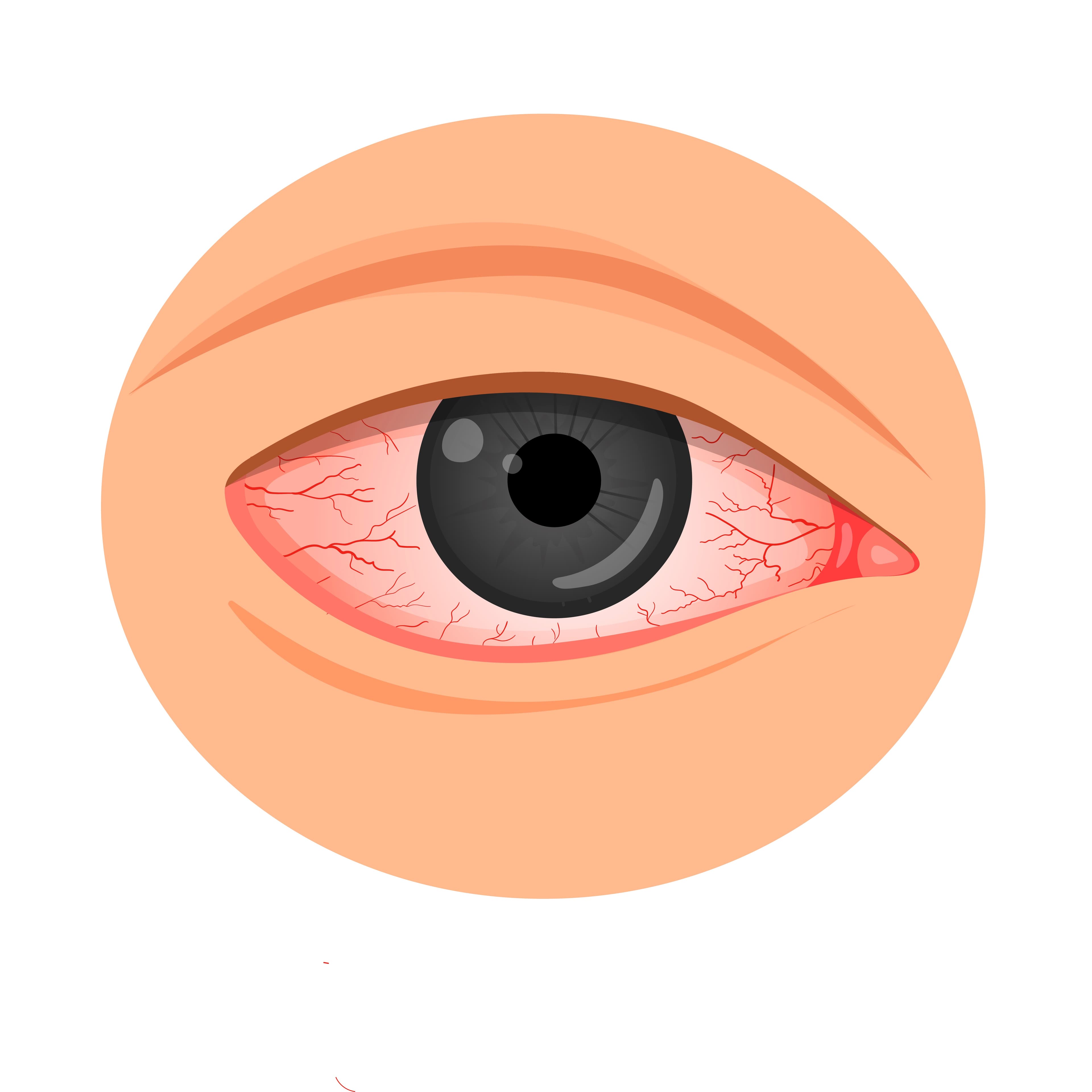
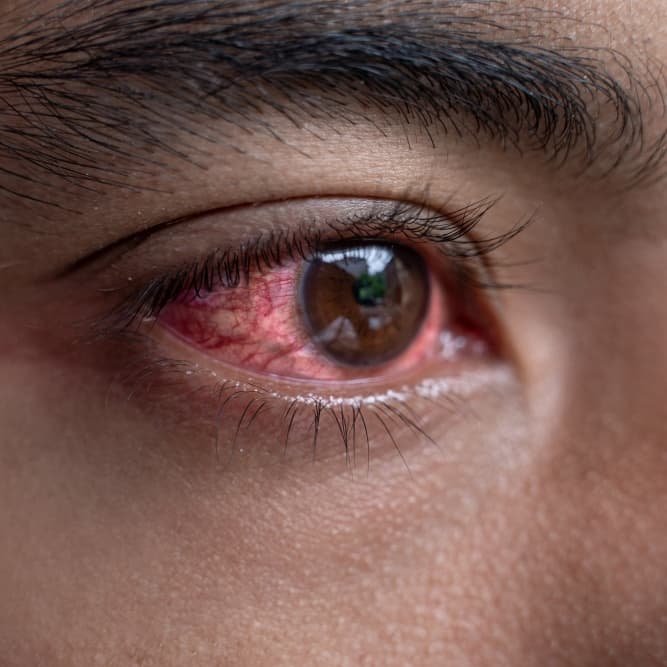
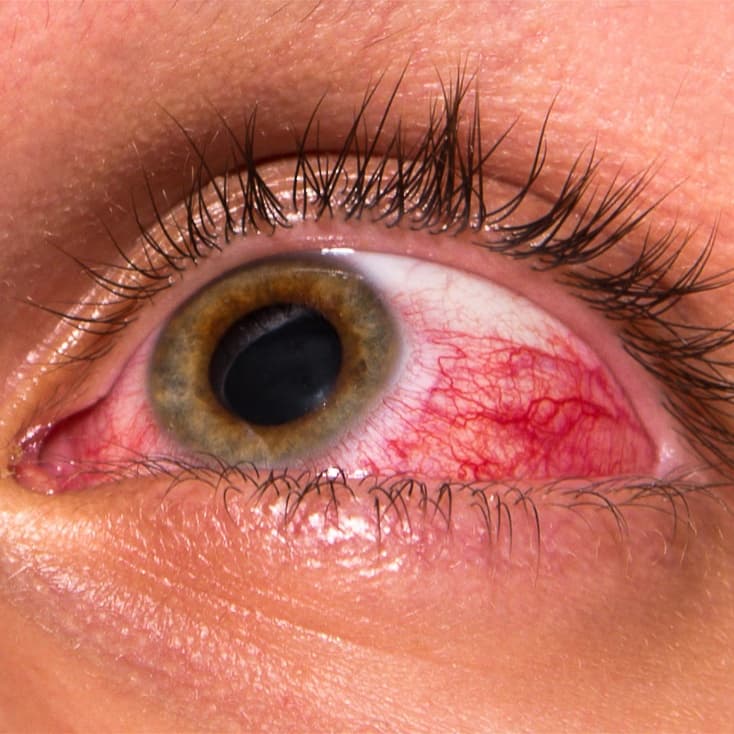
Redness of the eyes (bloodshot eyes) occurs when superficial blood vessels on the white (sclera) surface swell, dilate, or break, often triggered by allergies, infections, fatigue, dryness, or irritation.

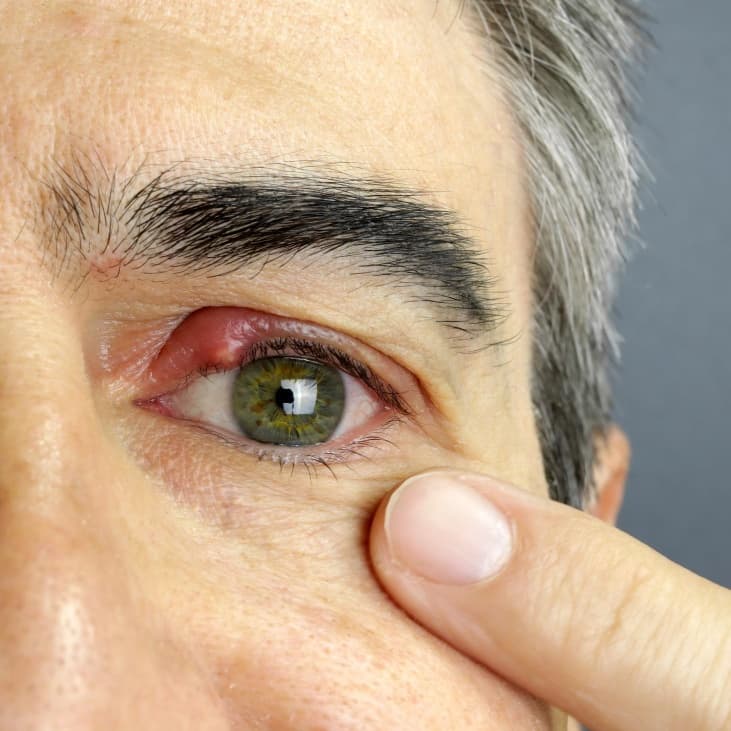
Stye (hordeolum) is a common, generally harmless, and typically non-contagious bacterial infection of an oil gland or hair follicle on the eyelid.

Watery eyes (epiphora) are characterized by excessive tear production or inadequate drainage, leading to tears overflowing onto the cheeks.
Important highlights and key medical insights about this condition.
Refractive Errors: Myopia (nearsightedness), hyperopia (farsightedness), astigmatism (distorted vision), and presbyopia (age-related near vision loss) are the most common causes of blurry vision.
Dry Eyes: Caused by insufficient tear production or rapid evaporation, leading to stinging, burning, and a gritty sensation.
Eye Fatigue/Strain: Tired eyes, often caused by prolonged screen time, reading, or dim lighting.
Connect with experienced doctors who specialize in treating this condition and receive professional medical guidance.

Qualifications: BHMS , BHS(Public Health ,Canada)

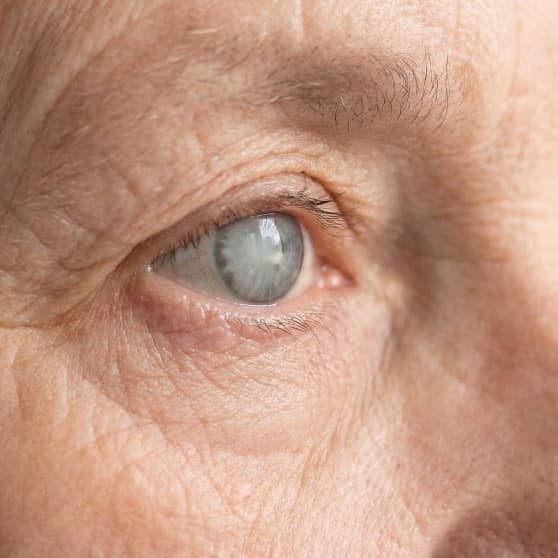
Cataract is a common, often age-related, clouding of the eye's natural, normally clear lens, resulting in blurred, hazy, or less colorful vision.

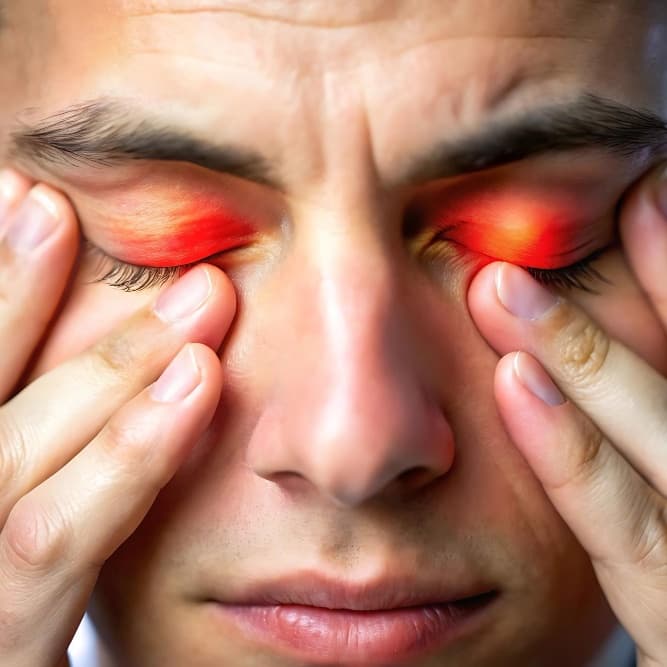
Burning eyes are an irritating, stinging, or heat-like sensation in one or both eyes, often accompanied by redness, watering, or a "gritty" feeling.

Conjunctivitis, commonly known as pink eye, is the inflammation of the thin, clear membrane (conjunctiva) covering the white part of the eye and inner eyelids.

Vision problems, ranging from minor eye strain to significant vision loss, occur when eye structures (cornea, lens, retina) fail to focus light correctly or are damaged by disease.

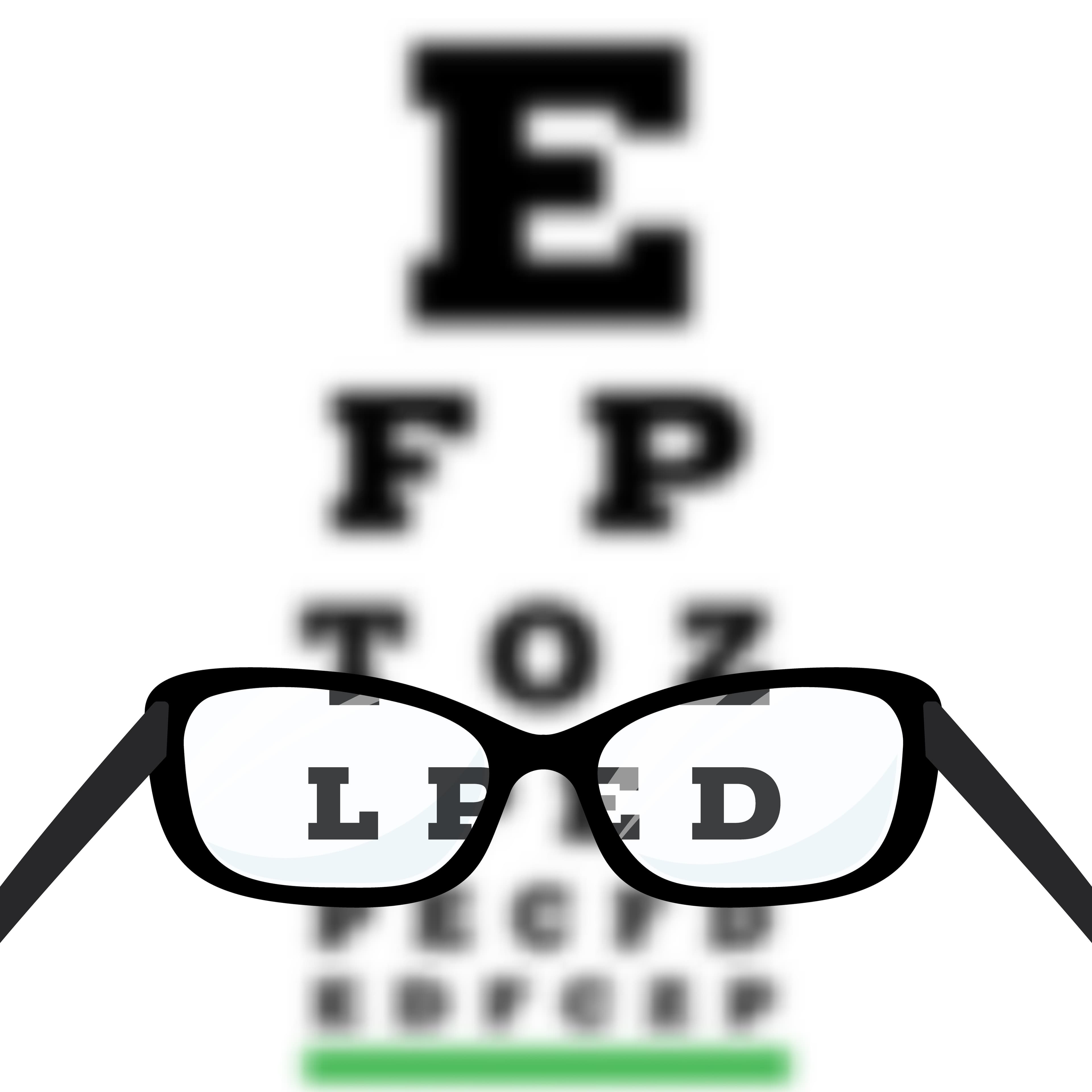
The loss of sharpness in eyesight, making objects appear hazy, out of focus, or lacking fine detail.

Light sensitivity, known medically as photophobia, is an intolerance to light that causes eye discomfort, pain, or an urge to squint/close eyes in bright sunlight or artificial light.

Eye itching, medically known as ocular pruritus, is an uncomfortable sensation that creates a strong urge to rub or scratch the eyes.

Squint, or strabismus, is a condition where the eyes are misaligned and do not look at the same object simultaneously, with one eye turning in, out, up, or down.

Blepharospasm is a rare, chronic neurological disorder characterized by involuntary, uncontrollable muscle twitching, spasms, or forced closing of the eyelids.
Floaters & Flashes: Small dots or squiggles that drift through the field of vision. While usually harmless, a sudden increase in floaters or light flashes can indicate a retinal issue.
Red Eye (Conjunctivitis/Pink Eye): Inflammation of the eye surface, which can be caused by infection (viral or bacterial) or allergies.
Twitching Eyelids (Blepharospasm): Involuntary spasms often triggered by fatigue, stress, or caffeine.

Qualifications: BHMS.(FMHMC), MSc Psychology and Counselling, PG Diploma in Guidance and Counselling, Diploma Interactive Drawing Therapy (IDT), Cognitive Behavioural Therapy (CBT), De‑addiction Training (NIMHANS).

Qualifications: BHMS