
Loading...
Loading...
Loading...
Ptosis is the medical term for drooping of the upper eyelid, which can affect one or both eyes and may be present at birth (congenital) or develop later (acquired).
Ptosis is the medical term for drooping of the upper eyelid, which can affect one or both eyes and may be present from birth (congenital) or develop later (acquired). Often caused by weakened muscles, nerve damage, or aging, it can restrict vision and cause fatigue.
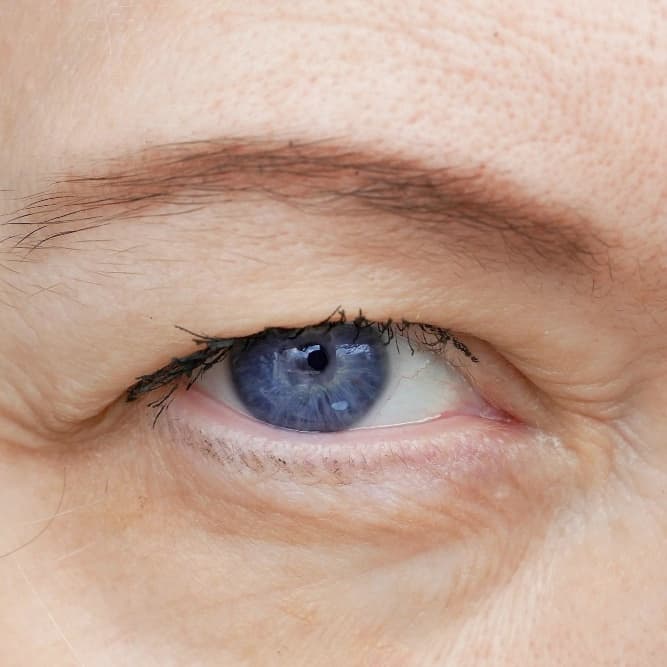
Homeopathy approaches ptosis (eyelid drooping) by treating the underlying causes—such as nerve weakness or muscle issues—rather than just the symptom, often acting as a complementary option when surgery is not desired or in mild-to-moderate cases. Studies showing significant improvement in cases of acquired or neurogenic ptosis.
Important highlights and key medical insights about this condition.
Appearance: The eyelid may droop slightly or cover the pupil entirely, often creating a "tired" or "sleepy" appearance.
Type 1 - Congenital Ptosis: Present at birth, often due to improper development of the levator muscle.
Type 2 - Acquired Ptosis: Develops later in life, most commonly due to aging (stretching of the tendon), injury, or disease.
Causes: Common causes include natural aging (involutional ptosis), prior eye surgery (e.g., cataract), nerve damage, or muscular diseases like myasthenia gravis.
Learn more about this speciality and how our experts help you achieve better health outcomes.
Ptosis (eyelid drooping) affects people of all ages, genders, and backgrounds, ranging from newborns to older adults.
If it develops suddenly, causes vision blockage, or is accompanied by pain, headaches, or double vision.
Connect with experienced doctors who specialize in treating this condition and receive professional medical guidance.

Qualifications: BHMS.(FMHMC), MSc Psychology and Counselling, PG Diploma in Guidance and Counselling, Diploma Interactive Drawing Therapy (IDT), Cognitive Behavioural Therapy (CBT), De‑addiction Training (NIMHANS).
Symptoms: Besides the visible sag, symptoms include excessive tearing, tired/achy eyes, a blocked field of vision, and a tendency to tilt the head back to see.
Complications: If left untreated, severe ptosis can lead to astigmatism (blurred vision), neck pain from compensating head positions, and amblyopia ("lazy eye") in children