Loading...
Loading...
Loading...
Cataract is a common, often age-related, clouding of the eye's natural, normally clear lens, resulting in blurred, hazy, or less colorful vision.
Cataract is the clouding of the eye’s normally clear, natural lens, typically caused by protein breakdown due to aging, which blocks light from reaching the retina and results in blurry, hazy, or faded vision. It acts like a fogged-up window, often developing in both eyes, though one may be worse.
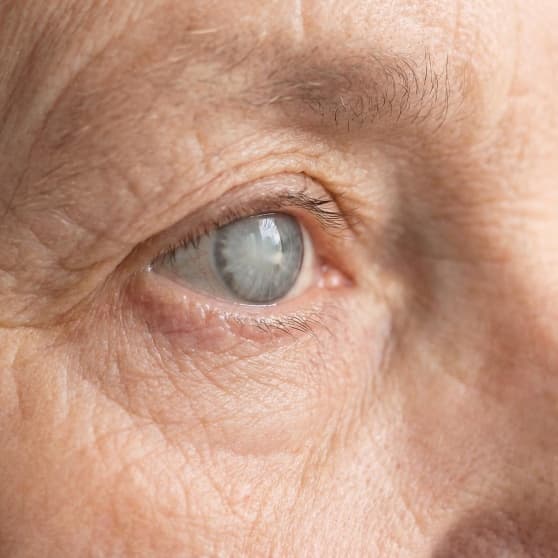
Homeopathy is often used as a complementary approach to manage cataracts, primarily in the early stages, remedies can help by slowing down lens clouding, reducing symptoms like vision haze, and delaying the need for surgical intervention.
Important highlights and key medical insights about this condition.
Primary Cause: The main cause is aging; by age 75–85, 91% of people have age-related lens changes.
Other Causes: Smoking, diabetes, long-term steroid use, UV radiation exposure, and previous eye injuries can accelerate development.
Types of Cataracts: Types include nuclear (center), cortical (edges), and posterior capsular (back of the lens).
Prevention Tips: Wear UV-protective sunglasses, quit smoking, manage blood sugar levels, and eat foods rich in antioxidants.
Learn more about this speciality and how our experts help you achieve better health outcomes.
Cataracts primarily affect older adults, with the risk increasing significantly after age 60, although the proteins in the eye's lens begin breaking down around age 40.
If you experience cloudy, blurry vision, glare, difficulty with night driving, or frequent glasses prescription changes.
Connect with experienced doctors who specialize in treating this condition and receive professional medical guidance.

Qualifications: BHMS.(FMHMC), MSc Psychology and Counselling, PG Diploma in Guidance and Counselling, Diploma Interactive Drawing Therapy (IDT), Cognitive Behavioural Therapy (CBT), De‑addiction Training (NIMHANS).
Symptoms: Common signs include blurry or faded vision, increased difficulty seeing at night, halos around lights, and increased sensitivity to glare.

Qualifications: BHMS