Loading...
Loading...
Loading...
Blepharospasm is a rare, chronic neurological disorder characterized by involuntary, uncontrollable muscle twitching, spasms, or forced closing of the eyelids.
Blepharospasm is a rare, chronic movement disorder characterized by involuntary, uncontrollable muscle contractions that force the eyelids to close, sometimes causing functional blindness. It is a form of focal dystonia, typically affecting both eyes, causing frequent blinking, eye irritation, and spasms that may last for seconds or hours.
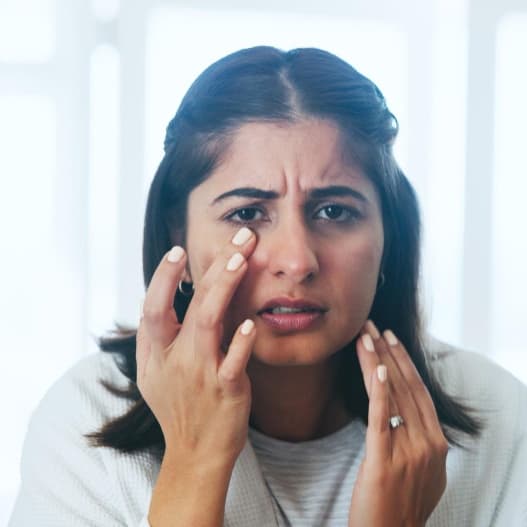
Homeopathy offers a non-invasive, holistic approach to treating eyelid twitching (blepharospasm) by addressing the root cause, often related to neurological issues, stress, or eye strain rather than just suppressing symptoms. Homeopathic remedies aim to relax the orbicularis oculi muscles, reducing the frequency, intensity, and duration of the spasms.
Important highlights and key medical insights about this condition.
Minor Twitch: Temporary, usually caused by stress, fatigue, caffeine, or dry eyes.
Benign Essential Blepharospasm (BEB): A chronic, neurological movement disorder (focal dystonia) causing bilateral squeezing.
Reflex Blepharospasm: Caused by eye irritation or inflammation.
Hemifacial Spasm: A distinct condition affecting one side of the face, often caused by a blood vessel pressing on a nerve.
Causes & Triggers: The exact cause is often unknown (idiopathic), but it is generally related to abnormal functioning of the basal ganglia in the brain. Common triggers include fatigue, stress, bright lights, and caffeine.
Demographics: BEB is more common in women and typically develops in middle-aged to older adults (40–60 years).
Learn more about this speciality and how our experts help you achieve better health outcomes.
Blepharospasm (chronic eyelid twitching) primarily affects women aged 50 to 70. It is a rare neurological movement disorder involving involuntary blinking or closing of the eyelids.
If spasms persist for more than one to two weeks, cause the eyelid to close completely, or spread to other parts of the face.
Connect with experienced doctors who specialize in treating this condition and receive professional medical guidance.
Qualifications: BHMS.(FMHMC), MSc Psychology and Counselling, PG Diploma in Guidance and Counselling, Diploma Interactive Drawing Therapy (IDT), Cognitive Behavioural Therapy (CBT), De‑addiction Training (NIMHANS).