Loading...
Loading...
Loading...
Squint, or strabismus, is a condition where the eyes are misaligned and do not look at the same object simultaneously, with one eye turning in, out, up, or down.
Squint refers to partly closing the eyes to see more clearly (often in bright light) or a medical condition (strabismus) where eyes are misaligned and look in different directions. It can also mean to look obliquely or, informally, to take a quick glance.
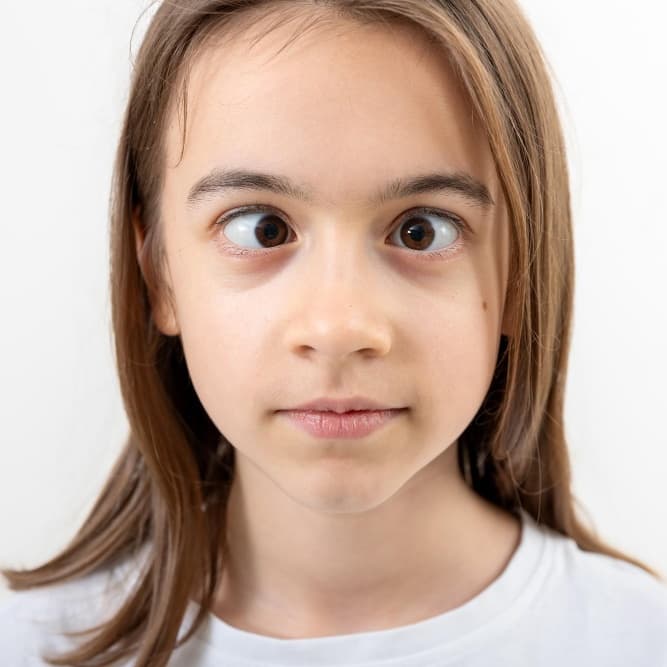
Homeopathy approaches squint (strabismus) by focusing on strengthening the weakened eye muscles and addressing the underlying causes, such as refractive errors, nerve weakness, or stress. It is particularly effective for mild to moderate cases, providing a non-surgical option that aims to correct eye alignment and improve vision naturally without side effects.
Important highlights and key medical insights about this condition.
Alternative Names: Strabismus, crossed eyes, walleye.
Types: Inward (Esotropia), Outward (Exotropia), Upward (Hypertropia), Downward (Hypotropia).
Key Symptom: Misaligned eyes, but can also include double vision, headaches, poor depth perception, and eye strain.
Not a Cosmetic Issue: It is a medical condition affecting vision and depth perception, not just appearance.
Learn more about this speciality and how our experts help you achieve better health outcomes.
Young children (often appearing by age 3), but can affect adults of any age due to muscle weakness, nerve issues, or illnesses.
If you or your child experience eyes that look misaligned, crossed, or turn in different directions.
Connect with experienced doctors who specialize in treating this condition and receive professional medical guidance.
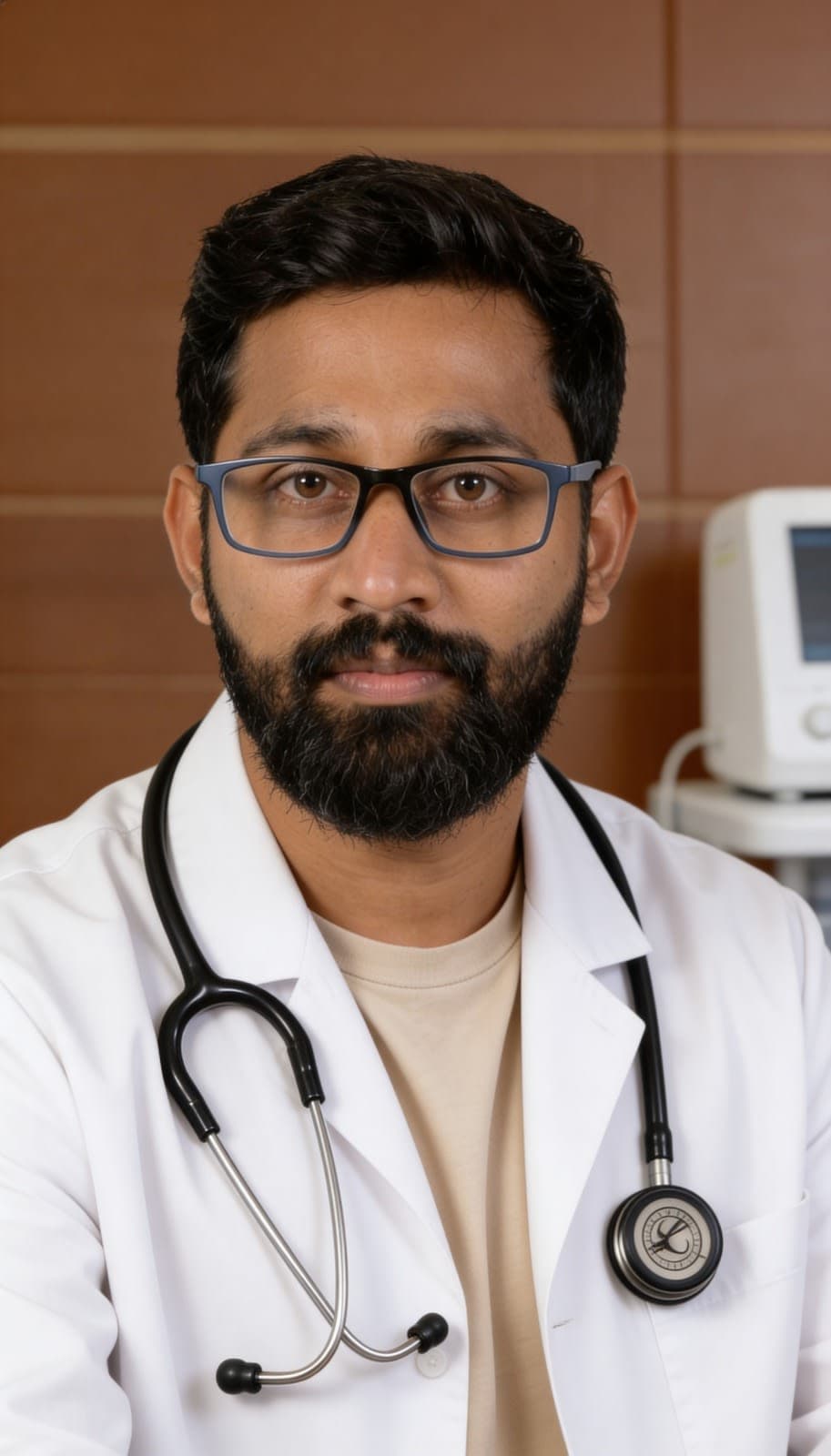
Qualifications: BHMS.(FMHMC), MSc Psychology and Counselling, PG Diploma in Guidance and Counselling, Diploma Interactive Drawing Therapy (IDT), Cognitive Behavioural Therapy (CBT), De‑addiction Training (NIMHANS).
Age Factor: While common in children, adults can develop it suddenly from trauma or disease.
Neurological/Medical: Nerve damage, stroke, diabetes, or brain-related issues (e.g., cerebral palsy).