Loading...
Loading...
Loading...
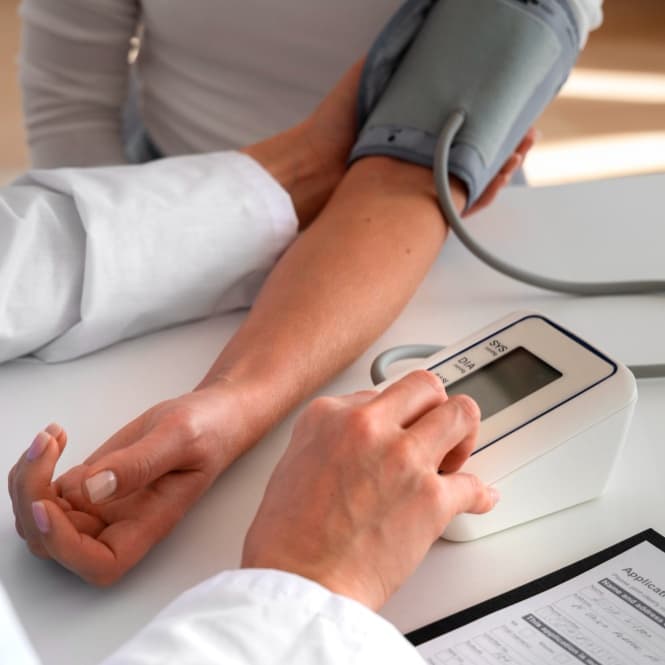
Here we deals with Diabetes, Hypertension, Hypotension, Obesity, Cancer, High Cholesterol, High Uric Acid
Lifestyle disorders (also known as Non-Communicable Diseases (NCDs) or chronic diseases) are health conditions caused by, or linked to, unhealthy habits like poor diet, smoking, alcohol use, and physical inactivity. Common examples include obesity, Type 2 diabetes, hypertension, cardiovascular diseases, cancer, and mental health issues.

Homeopathy approaches lifestyle disorders—such as obesity, diabetes, hypertension, and stress—by focusing on the individual's overall constitution rather than just suppressing specific symptoms. It aims to address the root causes of these conditions, often linked to stress, emotional factors, and poor habits, by strengthening the body’s self-healing mechanisms.
Explore specific conditions and related treatments.


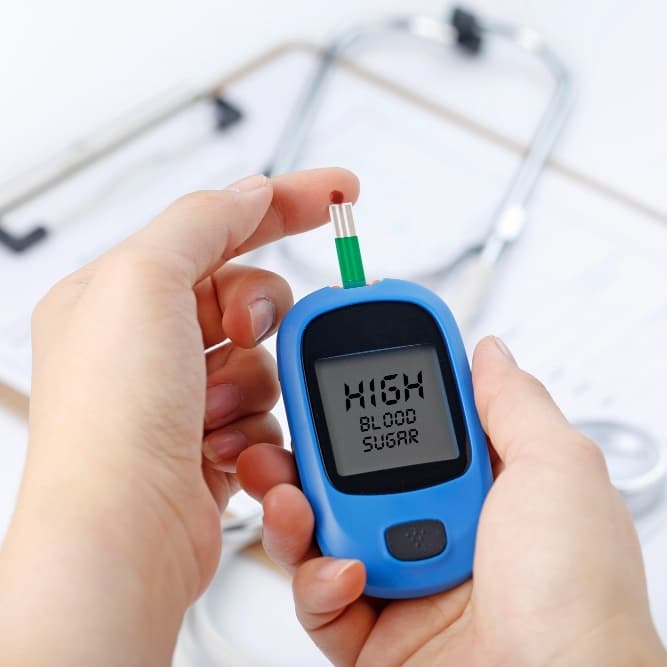



Loss of appetite, medically termed anorexia (not to be confused with anorexia nervosa), refers to a reduced desire to eat or difficulty consuming adequate food. It can be temporary, often linked to minor illnesses like flu or stress, or persistent due to underlying medical conditions.

Sleeping disorders are a group of medical conditions that affect the quality, timing, and amount of sleep, leading to daytime distress and impaired functioning. They include insomnia(Sleeplessness), sleep apnea, restless legs syndrome, narcolepsy, and circadian rhythm disorders.


Lack of immunity refers to a weakened or compromised immune system that is unable to effectively defend the body against infections, diseases, or harmful substances. The immune system is responsible for identifying and destroying pathogens such as bacteria, viruses, and fungi. When immunity is low, the body becomes more vulnerable to frequent illnesses, slower recovery, and complications from otherwise minor infections.

Deficiencies refer to the lack or insufficient levels of essential nutrients, vitamins, or minerals in the body, which weakens immunity and overall health. These deficiencies can impair the body’s ability to fight infections, repair tissues, and maintain normal organ function.
Anemia is a condition in which the body has a lower-than-normal number of red blood cells or insufficient hemoglobin, the protein responsible for carrying oxygen throughout the body. This leads to reduced oxygen supply to tissues, causing fatigue, weakness, pale skin, and shortness of breath.
Important highlights and key medical insights about this condition.
Definition: Long-term diseases caused by unhealthy behaviors (diet, inactivity, smoking, alcohol, stress) rather than pathogens.
Preventability: Highly preventable through lifestyle changes such as better diet, regular exercise, and stress management.
Rising Global Burden: NCDs are the leading cause of death globally, responsible for over 70% of all deaths.
Common Examples: Type 2 diabetes, Hypertension (high blood pressure), Cardiovascular disease (heart attacks, stroke), Obesity, Chronic respiratory diseases (COPD), Cancer, and Mental health disorders (anxiety/depression).
Silent Progress: Often progress silently for years before showing symptoms, making regular check-ups vital.
Reversibility: Early-stage lifestyle diseases can often be reversed or managed with immediate changes in lifestyle and diet.
Connect with experienced doctors who specialize in treating this condition and receive professional medical guidance.

Qualifications: BHMS , BHS(Public Health ,Canada)

Qualifications: BHMS.(FMHMC), MSc Psychology and Counselling, PG Diploma in Guidance and Counselling, Diploma Interactive Drawing Therapy (IDT), Cognitive Behavioural Therapy (CBT), De‑addiction Training (NIMHANS).

Qualifications: BHMS

Qualifications: BHMS (Homeo), MSc Psychology, PG Diploma in Guidance & Counselling, Diploma in Nutrition and Health Education, Bachelor of Health Science Public Health (Canada), Certified Public Health Inspector of Canada.