
Loading...
Loading...
Loading...
Cancer is a large group of diseases characterized by the uncontrolled growth and division of abnormal cells that can invade nearby tissues and spread to other parts of the body.
Cancer is essentially a cellular disorder where normal cell growth and division go out of control. Instead of dying when damaged or old, cancer cells continue to multiply, forming tumors or circulating in the bloodstream. Causes include genetic mutations, environmental exposures (like tobacco smoke or radiation), infections, and lifestyle factors. There are many types of cancer, including breast, lung, prostate, blood (leukemia), and skin cancers, each with distinct characteristics.
Homeopathy is used in cancer care primarily as a complementary therapy alongside conventional treatments like chemotherapy and surgery, rather than as a cure for the disease itself.
Important highlights and key medical insights about this condition.
Cancer is caused by uncontrolled cell growth and division.
It can affect any organ or tissue in the body.
Risk factors include genetics, lifestyle choices, infections, and environmental exposures.
Common symptoms include lumps, weight loss, fatigue, and abnormal bleeding.
Early detection through screenings and check-ups improves survival rates.
Treatment options include surgery, chemotherapy, radiation, immunotherapy, and targeted therapies.
Learn more about this speciality and how our experts help you achieve better health outcomes.
Cancer can affect anyone, but risk increases with age. It is more common in individuals with a family history of cancer, those exposed to carcinogens (such as tobacco, alcohol, or harmful chemicals), and people with unhealthy lifestyles. Men and women are affected differently depending on cancer type - for example, breast cancer is more common in women, while prostate cancer affects men. Children can also develop cancers such as leukemia, though these are less common.
Medical consultation is essential if you experience persistent unexplained symptoms such as lumps, abnormal bleeding, chronic cough, unexplained weight loss, fatigue, or changes in skin or moles. Early detection greatly improves treatment outcomes, so regular screenings (like mammograms, Pap smears, or colonoscopies) are recommended for those at risk. If symptoms interfere with daily life or worsen over time, immediate medical evaluation is necessary.
Connect with experienced doctors who specialize in treating this condition and receive professional medical guidance.
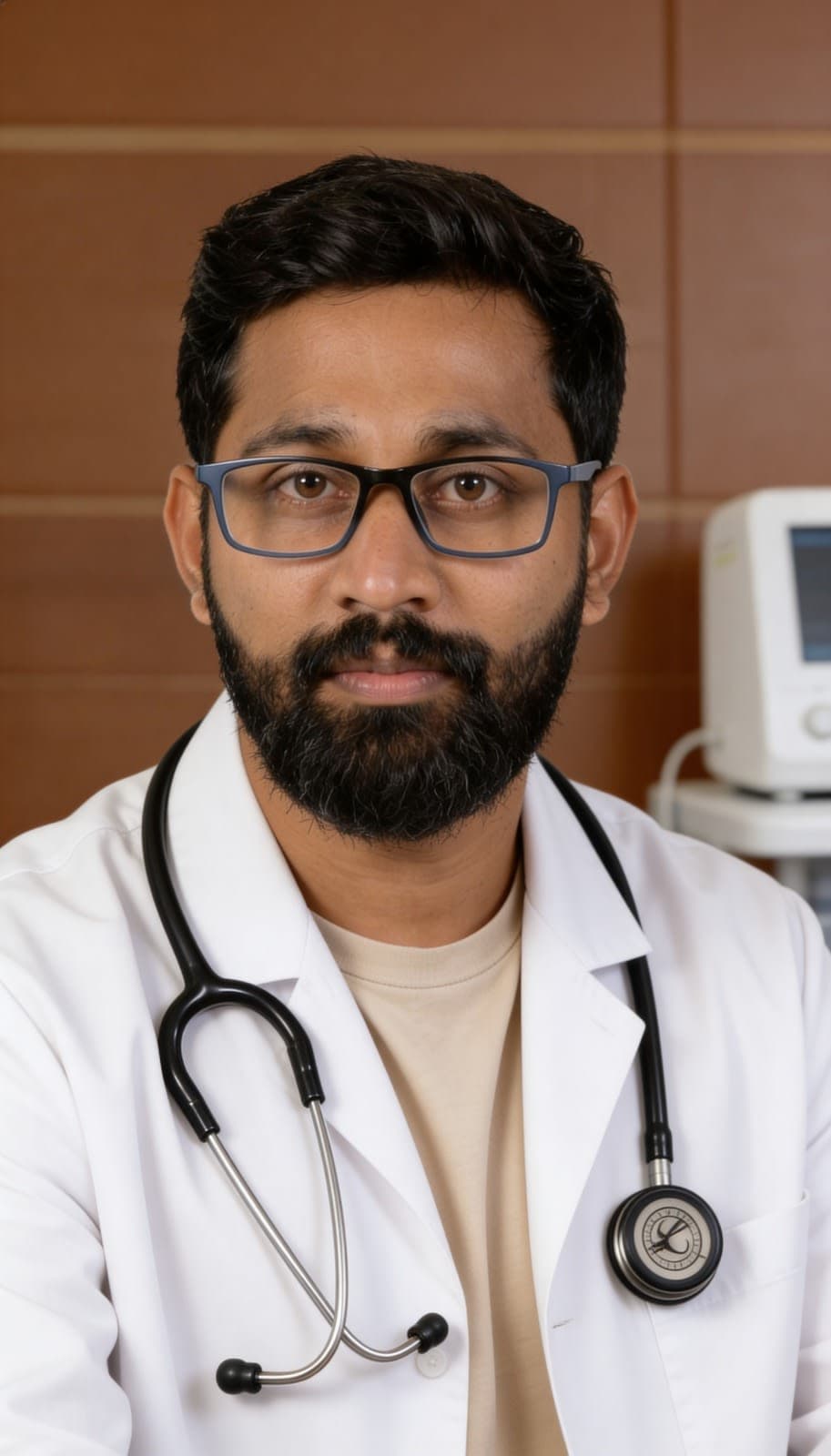
Qualifications: BHMS.(FMHMC), MSc Psychology and Counselling, PG Diploma in Guidance and Counselling, Diploma Interactive Drawing Therapy (IDT), Cognitive Behavioural Therapy (CBT), De‑addiction Training (NIMHANS).