Loading...
Loading...
Loading...
Diabetes is a chronic metabolic disease characterized by elevated levels of blood glucose (sugar).
Diabetes is a chronic condition where blood glucose (sugar) levels are too high because the body does not produce enough insulin or cannot use it properly. It affects how food is turned into energy, often leading to serious, long-term health issues like heart disease, kidney damage, and vision loss.
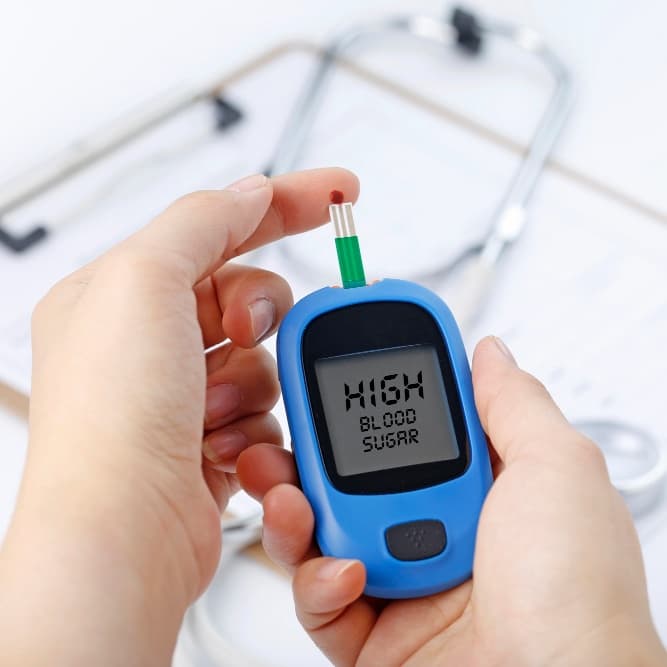
Homeopathy may help in the management of diabetes as a complementary therapy alongside conventional medical treatment, by helping to control blood sugar levels, preventing complications, improving quality of life, and potentially reducing the dosage of conventional medicines where medically appropriate.
Recognizing early symptoms can help identify health issues sooner and ensure timely medical care.
High blood sugar causes kidneys to work harder, pulling fluids from tissues and creating more urine.
Unexplained Weight Loss: The body breaks down fat and muscle for energy when it cannot properly use glucose.
Fatigue and Irritability: Cells are deprived of glucose, leading to low energy and exhaustion.
Blurred Vision: High sugar levels cause fluid buildup in the eye's lens.
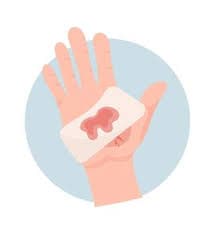
Slow-Healing Sores/Infections: High glucose inhibits circulation and the immune system.
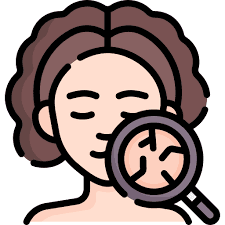
Skin Changes: Darkened patches (acanthosis nigricans) in skin folds (neck, armpits) can indicate insulin resistance.
Understanding the underlying causes helps doctors diagnose conditions accurately and choose the most effective treatment.
Body cells do not respond properly to insulin.
Being overweight, particularly with excess abdominal fat
Lack of physical activity
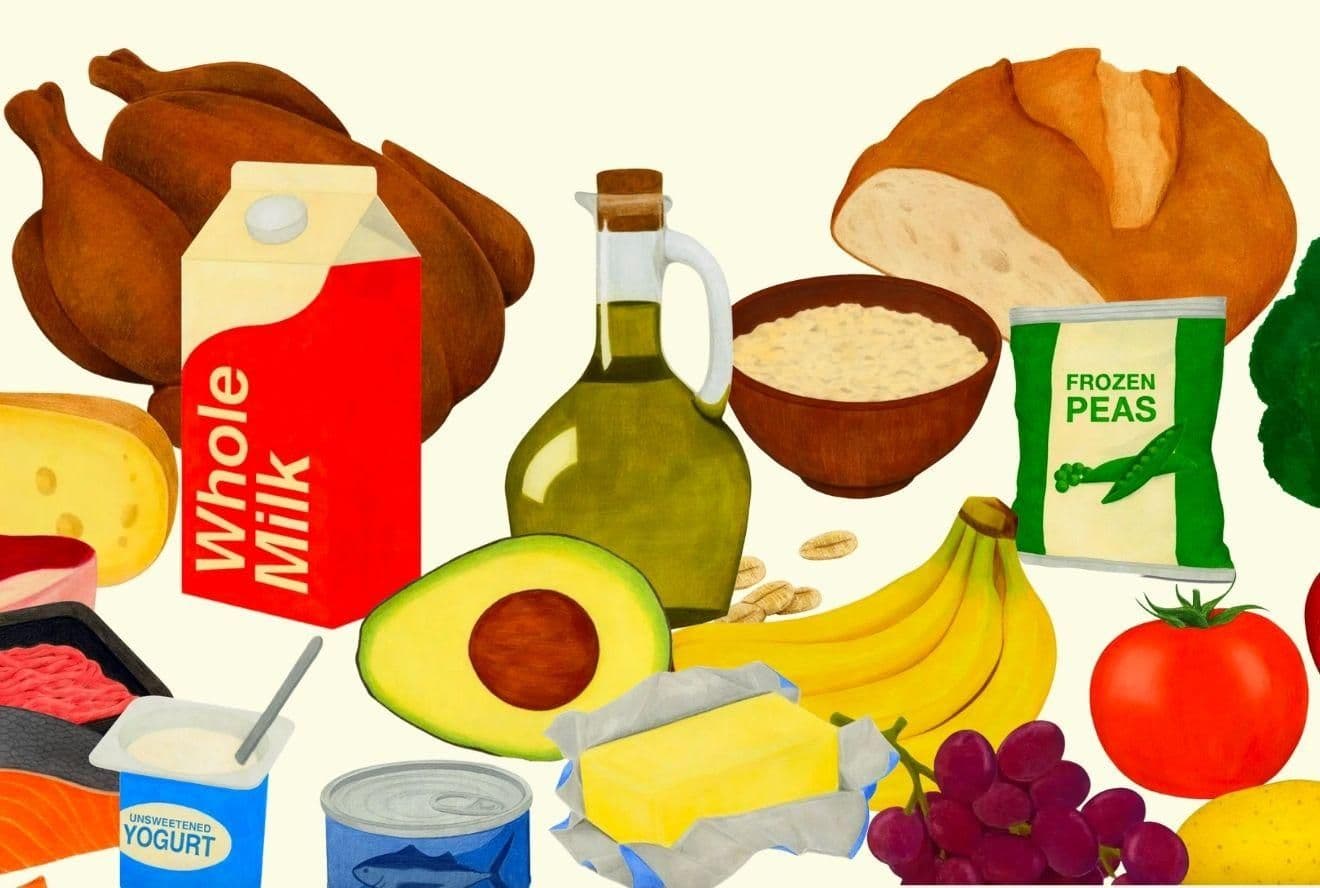
High-calorie diets rich in saturated fats and refined sugars can lead to fat accumulation around the liver and pancreas, inducing insulin resistance.
35–45 increase risk.
Certain lifestyle habits, health conditions, or environmental factors may increase the likelihood of developing this condition.
Weight & Body Fat: Being overweight or obese is a primary risk factor, particularly if fat is stored around the waist (over 40 inches for men, 35 for women).
Being active less than three times a week increases risk.
Family History: Risk increases if a parent or sibling has type 2 diabetes.
Risk rises as you get older, especially after age 35, notes Mayo Clinic and notably after 45.
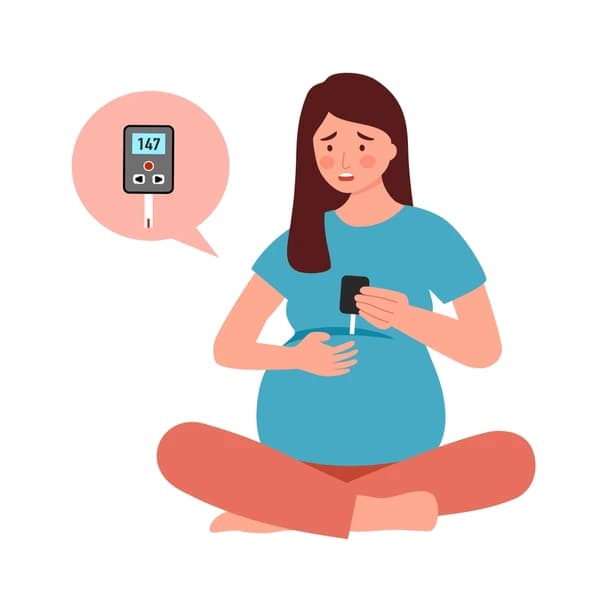
Developing diabetes during pregnancy or having given birth to a baby weighing over 9 pounds.
Prediabetes, Smoking, high blood pressure (hypertension), low HDL ("good") cholesterol, high triglycerides, and conditions like Polycystic Ovarian Syndrome (PCOS) or non-alcoholic fatty liver disease (NAFLD).
Important highlights and key medical insights about this condition.
Types: Type 1 (autoimmune, no insulin) and Type 2 (body doesn't use insulin properly, most common).
Leading Causes: Strongly linked to obesity, inactivity, and unhealthy diet.
Treatment: Lifestyle changes (healthy diet, physical activity), blood sugar monitoring, and medications.
Complications: Risks include heart attack, stroke, kidney damage, neuropathy (nerve damage), and blindness.
Prevalence: Over 50% of people with diabetes may be unaware of their condition.
Prevention: Type 2 can often be prevented or delayed by losing 5–7% of body weight and engaging in 150+ minutes of weekly exercise.
Learn more about this speciality and how our experts help you achieve better health outcomes.
Adults over 45, particularly those with obesity, physical inactivity, or a family history of the disease. It also affects children, people of specific ethnic backgrounds, and pregnant women (gestational diabetes), often linked to lifestyle, genetics, and insulin resistance.
If you notice early warning signs, experience a diabetic emergency, or require routine management of a diagnosed condition. Early detection is critical for preventing long-term complications like heart disease, kidney damage, and vision loss.
Connect with experienced doctors who specialize in treating this condition and receive professional medical guidance.

Qualifications: BHMS , BHS(Public Health ,Canada)

Qualifications: BHMS.(FMHMC), MSc Psychology and Counselling, PG Diploma in Guidance and Counselling, Diploma Interactive Drawing Therapy (IDT), Cognitive Behavioural Therapy (CBT), De‑addiction Training (NIMHANS).

Qualifications: BHMS

Qualifications: BHMS (Homeo), MSc Psychology, PG Diploma in Guidance & Counselling, Diploma in Nutrition and Health Education, Bachelor of Health Science Public Health (Canada), Certified Public Health Inspector of Canada.