Loading...
Loading...
Loading...
Addiction is a chronic, relapsing condition where a person becomes unable to control their use of a substance or engagement in a behavior, even when it causes harm. It affects the brain’s reward, motivation, and self‑control systems, making change difficult without support.
🧩 Types of Addiction Addiction isn’t limited to substances. It can involve behaviours too. 1. Substance Addictions - Alcohol - Nicotine - Prescription medications - Illicit drugs - Cannabis - Inhalants 2. Behavioural Addictions - Gambling - Gaming - Internet or social media use - Compulsive eating - Shopping - Sexual behaviours (discussed only in clinical/educational contexts) These behaviours activate the same reward pathways in the brain as substances.
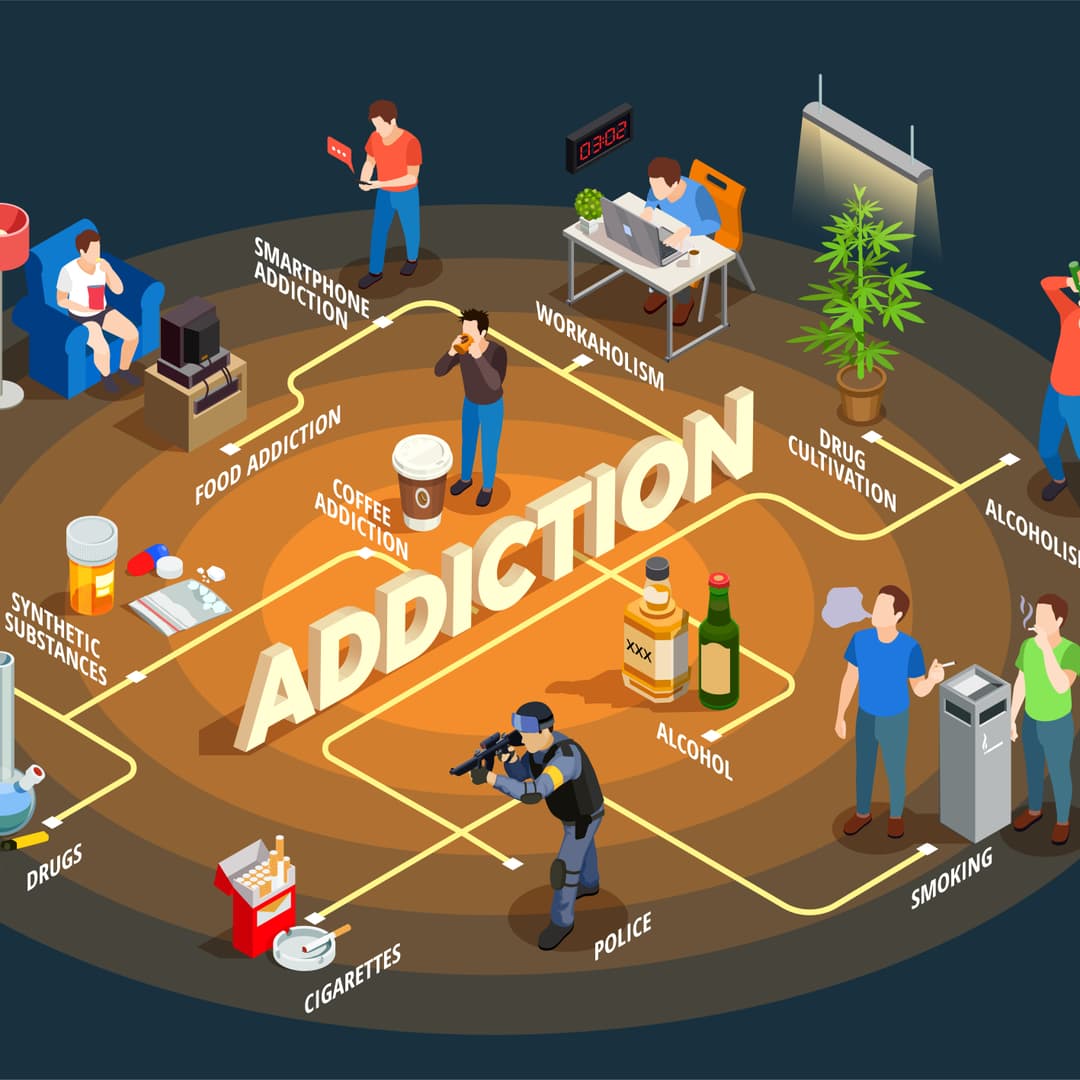
Explore specific conditions and related treatments.



Food addiction is a behavioral condition where an individual develops a dependency on "highly palatable" foods. Counseling addresses the emotional void often filled by eating and helps establish a healthy, mindful relationship with food.An inability to control the consumption of certain foods, typically those high in sugar, fat, or salt, despite wanting to stop.

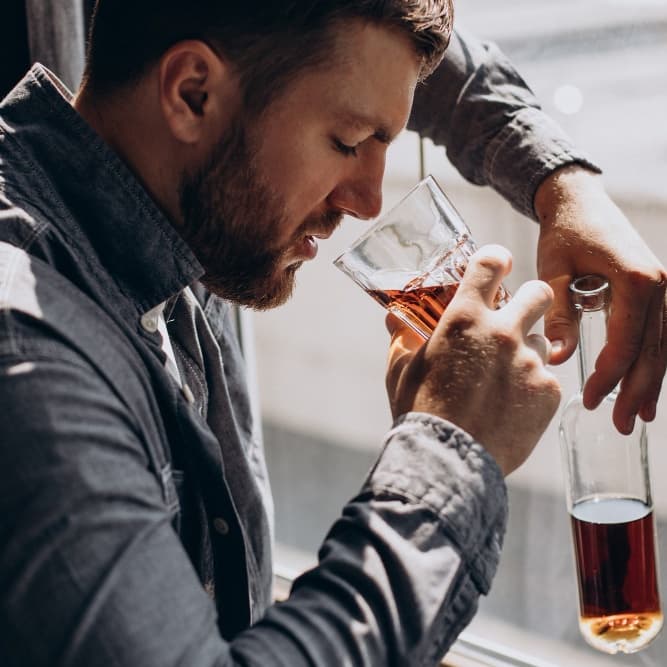
A chronic condition where an individual struggles to control their drinking despite negative consequences. Alcoholism affects both brain chemistry and behavior. Counseling offers a structured path to sobriety by identifying psychological triggers and teaching effective coping mechanisms.

Substance Use Disorder (SUD) A chronic brain condition characterized by the compulsive use of drugs despite harmful consequences. Drug addiction is a complex condition that affects brain function and behavior. Counseling focuses on identifying emotional triggers and providing professional support to break the cycle of dependency.

Counselling helps people understand why they smoke and builds the skills needed to quit in a sustainable way. It focuses on: - Identifying triggers (stress, routines, social cues) - Building healthier coping strategies - Strengthening motivation to quit - Managing cravings and withdrawal - Creating a personalized quit plan - Providing encouragement, accountability, and non‑judgmental support Approaches like Motivational Interviewing and Cognitive Behavioural Therapy (CBT) are commonly used because they help people change habits and stay committed to their goals.
Important highlights and key medical insights about this condition.
- Addiction is a health condition, not a moral weakness.
- It affects the brain’s reward, motivation, and self‑control systems.
- People can be addicted to substances (alcohol, drugs, nicotine) or behaviours (gambling, gaming, shopping).
- Addiction often begins as a coping strategy for stress, trauma, or emotional pain.
- It involves cravings, loss of control, and continued use despite harm.
Recovery is possible and often non‑linear — setbacks are common but manageable.
Learn more about this speciality and how our experts help you achieve better health outcomes.
Here are the elements most commonly used to describe addiction in public health and counselling contexts: 🔹 Compulsion A strong urge to use a substance or engage in a behaviour, even when the person wants to stop. 🔹 Loss of Control Difficulty limiting use — starting, stopping, or regulating the amount. 🔹 Craving Intense desire or emotional drive to use, often triggered by stress, environment, or memories. 🔹 Continued Use Despite Harm The behaviour continues even when it causes physical, emotional, social, or financial problems. 🔹 Tolerance Needing more of the substance or behaviour to achieve the same effect. 🔹 Withdrawal Uncomfortable physical or emotional symptoms when the substance or behaviour is reduced or stopped.
Counselling views addiction as a health condition, not a personal failure. The goal is to understand the reasons behind the behaviour and support healthier patterns. 1. A Coping Strategy That Became Harmful Addiction often begins as a way to manage stress, trauma, emotional pain, loneliness, or anxiety. Over time, it shifts from seeking pleasure to seeking relief, making it harder to stop. 2. A Condition That Changes the Brain Addiction affects reward pathways, impulse control, motivation, and stress response. This reduces blame and highlights the need for support. 3. A Pattern, Not a One‑Time Choice Counselling sees addiction as a repeated, automatic behaviour pattern. Recovery is understood as a gradual process. 4. A Response to Unmet Needs The behaviour often tries to meet needs like comfort, escape, connection, or emotional numbing. Addressing these needs is central to healing. 5. Treatable and Changeable Counselling emphasizes hope. With support, skills, structure, and a non‑judgmental environment, people can build healthier habits. 6. A Non‑Linear Journey Setbacks are normal. Recovery is personal, gradual, and built on small steps. 7. A Human Experience, Not a Label Counselling focuses on strengths, values, and goals. People are seen as more than their addiction.
Connect with experienced doctors who specialize in treating this condition and receive professional medical guidance.

Qualifications: BHMS.(FMHMC), MSc Psychology and Counselling, PG Diploma in Guidance and Counselling, Diploma Interactive Drawing Therapy (IDT), Cognitive Behavioural Therapy (CBT), De‑addiction Training (NIMHANS).

Qualifications: MA Psychology (Pursuing), Advanced Diploma in Counseling Psychology, Auxiliary Nurse & Midwife, Diploma in Hospital Administration, Relaxation Therapy, Child Psychology.