Loading...
Loading...
Loading...
Psychology is the scientific study of the mind and behavior. It explores how individuals and groups think, feel, and act, bridging the gap between biological and social sciences
Psychology is the scientific study of the mind and behavior. It explores how people think, feel, learn, and act. This includes topics like memory, emotions, personality, mental health, motivation, and social interactions

Psychology helps people understand themselves and others. It improves communication, decision‑making, stress management, relationships, and emotional well‑being. It also guides professionals in fields like education, healthcare, business, and counseling. If you want, I can also format this as a short SEO‑optimized paragraph, a homepage intro, or expand it into a full Psychology overview page.
Explore specialised treatment areas under Psychology.

Choosing the right career is one of the biggest decisions in life, yet it’s also one of the most confusing. Many people feel uncertain about what path to take, whether they’re students planning their future, professionals considering a change, or individuals unsure of their strengths and interests. Career confusion often comes from pressure, lack of guidance, fear of failure, or simply not knowing what truly fits one’s personality and goals.

Cognitive Behavioral Therapy (CBT) is a widely used, evidence‑based approach that helps individuals understand how their thoughts, emotions, and behaviors are connected. By identifying unhelpful thinking patterns and replacing them with healthier, more realistic ones, CBT empowers people to manage challenges more effectively and improve their overall well‑being.
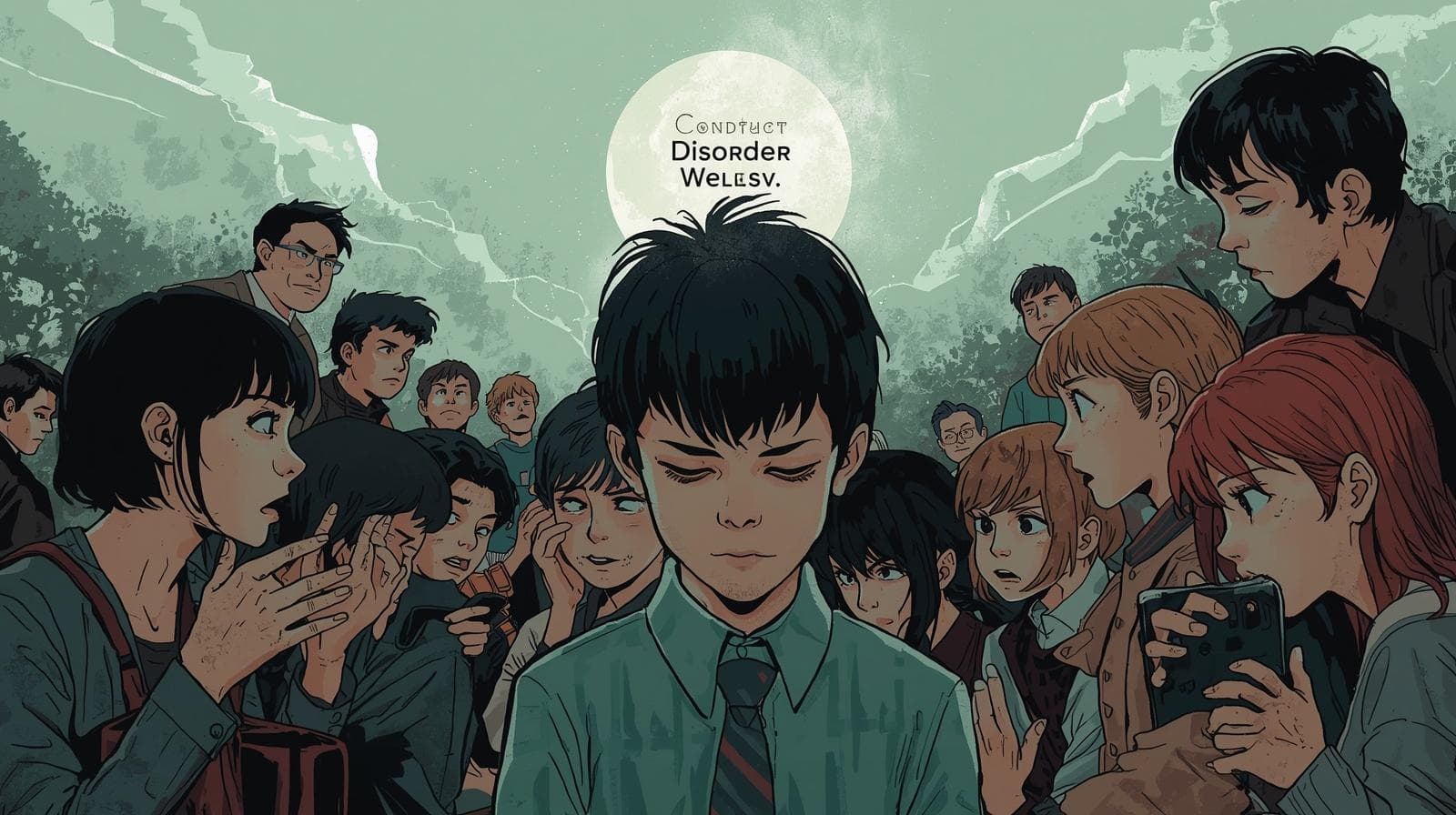
Conduct Disorder (CD) is a behavioral condition characterized by persistent patterns of aggression, rule‑breaking, and disregard for the rights of others. Individuals with CD may display behaviors such as frequent lying, physical aggression, property damage, or serious violations of rules. These behaviors go beyond typical childhood misbehavior and tend to be repetitive, intentional, and disruptive to daily life.

Dialectical Behavior Therapy (DBT) is a structured, evidence‑based therapeutic approach designed to help individuals manage intense emotions, build healthier coping skills, and improve relationships. DBT combines cognitive‑behavioral techniques with mindfulness practices, teaching people how to stay grounded, regulate emotions, and respond to challenges more effectively.

Time management issues occur when daily tasks, responsibilities, and priorities feel overwhelming or difficult to organize. Many people struggle with balancing work, school, personal commitments, and self‑care, which can lead to stress, procrastination, and a constant sense of “running behind.” These challenges often stem from unclear priorities, difficulty focusing, perfectionism, or simply having too much on one’s plate. Understanding time management issues is the first step toward creating healthier routines. With the right strategies such as setting realistic goals, breaking tasks into smaller steps, and building consistent habits - individuals can regain control of their schedule and reduce stress. Effective time management isn’t about doing more; it’s about doing what matters with clarity and confidence

Workplace stress occurs when job demands, responsibilities, or environments become overwhelming or difficult to manage. It can stem from heavy workloads, tight deadlines, unclear expectations, interpersonal conflicts, or a lack of work–life balance. Over time, workplace stress can affect focus, motivation, emotional well‑being, and overall job satisfaction. Understanding workplace stress is the first step toward creating healthier work habits and environments. With the right strategies such as setting boundaries, improving communication, organizing tasks, and practicing self‑care individuals can reduce stress and regain a sense of control. Supportive workplaces that encourage balance, clarity, and open dialogue also play a key role in helping employees thrive.
Learn more about this speciality and how our experts help you achieve better health outcomes.
A psychologist specializes in behavior and mental processes and typically provides therapy. A psychiatrist is a medical doctor who can diagnose mental health conditions and prescribe medication.
Psychologists assess, understand, and support human behavior and mental processes. They may provide therapy, conduct research, teach, or work in areas like health, education, business, and sports.
People seek therapy to manage stress, anxiety, depression, relationship issues, trauma, or personal growth. Therapy provides a safe space to understand emotions and develop healthier coping strategies.
No. Mental health refers to overall emotional and psychological well‑being. Mental illness refers to specific conditions that affect thinking, mood, or behavior. Everyone has mental health, but not everyone has a mental illness.
Absolutely. Psychology helps people make better decisions, build stronger relationships, manage stress, understand emotions, and improve communication and productivity.
Important highlights and key medical insights about this condition.
🧠 Most of your thinking happens unconsciously Over 90% of mental activity occurs outside conscious awareness, influencing decisions, habits, and reactions.
👀First impressions form in seconds People often make judgments about others within the first 7–10 seconds of meeting them.
❤️Emotions can influence memory Strong emotions—positive or negative—make memories more vivid and easier to recall.
❤️The brain loves patterns Humans naturally look for patterns, even when none exist, which explains superstitions and optical illusions.
💤Sleep affects mental performance Lack of sleep reduces attention, memory, and decision‑making ability more than most people realize.
🗣️ Thoughts can change the brain Practices like mindfulness and cognitive reframing can physically reshape neural pathways over time.
Connect with experienced doctors who specialize in treating this condition and receive professional medical guidance.

Qualifications: MA Psychology (Pursuing), Advanced Diploma in Counseling Psychology, Auxiliary Nurse & Midwife, Diploma in Hospital Administration, Relaxation Therapy, Child Psychology.

Qualifications: BHMS.(FMHMC), MSc Psychology and Counselling, PG Diploma in Guidance and Counselling, Diploma Interactive Drawing Therapy (IDT), Cognitive Behavioural Therapy (CBT), De‑addiction Training (NIMHANS).