Loading...
Loading...
Loading...
Conduct Disorder (CD) is a behavioral condition characterized by persistent patterns of aggression, rule‑breaking, and disregard for the rights of others. Individuals with CD may display behaviors such as frequent lying, physical aggression, property damage, or serious violations of rules. These behaviors go beyond typical childhood misbehavior and tend to be repetitive, intentional, and disruptive to daily life.
Conduct Disorder is a behavioral condition where a child or adolescent repeatedly shows aggressive, disruptive, or rule‑breaking behaviors. These actions go beyond typical misbehavior and often involve violating the rights of others or ignoring important social rules.
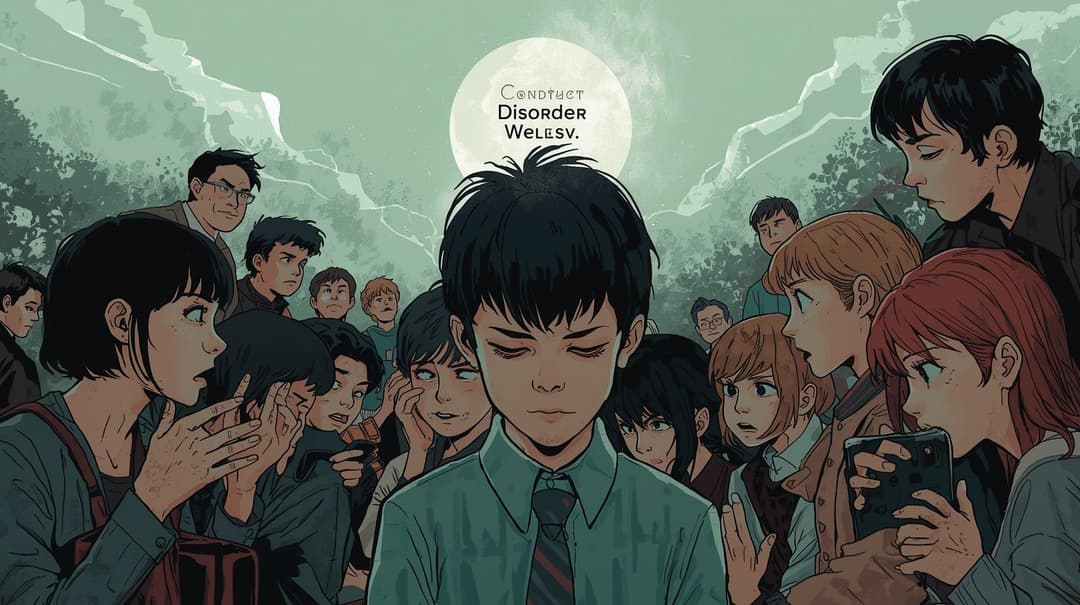
Common signs include frequent aggression, lying, stealing, property damage, bullying, and serious rule violations. These behaviors tend to be persistent and intentional, affecting school, home, and social relationships.
Learn more about this speciality and how our experts help you achieve better health outcomes.
No. Conduct Disorder involves persistent, serious behaviour patterns such as aggression, rule‑breaking, or violating others’ rights. These behaviour's go beyond typical childhood misbehaviour.
CD often begins in late childhood or early adolescence, though signs can appear earlier. Early support can make a meaningful difference
Yes. With consistent support, therapy, and structured guidance, many individuals learn healthier ways to manage behavior and emotions.
There is no single cause. CD can develop from a mix of biological, environmental, and social factors, including family stress, trauma, or difficulty managing emotions
A trained mental‑health professional evaluates behavior patterns, history, and overall functioning to determine whether the symptoms meet diagnostic criteria.
Not necessarily. With early identification, therapy, and supportive environments, many individuals show significant improvement over time
Connect with experienced doctors who specialize in treating this condition and receive professional medical guidance.

Qualifications: BHMS.(FMHMC), MSc Psychology and Counselling, PG Diploma in Guidance and Counselling, Diploma Interactive Drawing Therapy (IDT), Cognitive Behavioural Therapy (CBT), De‑addiction Training (NIMHANS).

Qualifications: MA Psychology (Pursuing), Advanced Diploma in Counseling Psychology, Auxiliary Nurse & Midwife, Diploma in Hospital Administration, Relaxation Therapy, Child Psychology.