Loading...
Loading...
Loading...
Choosing the right career is one of the biggest decisions in life, yet it’s also one of the most confusing. Many people feel uncertain about what path to take, whether they’re students planning their future, professionals considering a change, or individuals unsure of their strengths and interests. Career confusion often comes from pressure, lack of guidance, fear of failure, or simply not knowing what truly fits one’s personality and goals.
Career confusion often arises when individuals feel unsure about their strengths, interests, or long‑term goals. With so many career options available today, it’s easy to feel overwhelmed or pressured to make the “perfect” choice. External expectations from family, society, or peers can add to the uncertainty. Career confusion is completely normal — it simply reflects a desire to make thoughtful, meaningful decisions about the future.
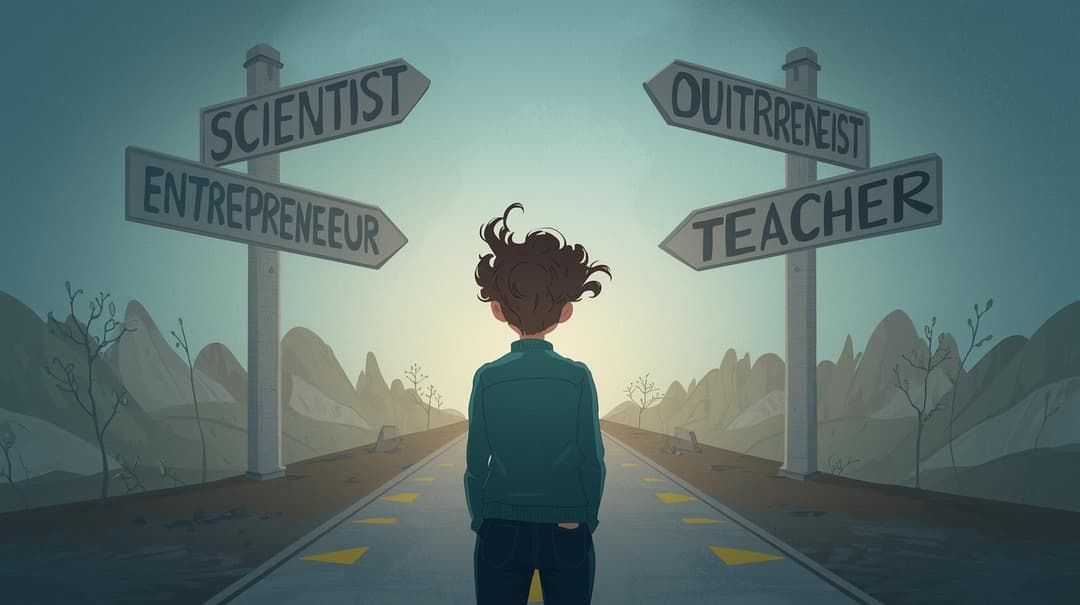
Clarity begins with self‑understanding. Exploring personal interests, skills, values, and personality traits can help narrow down suitable career paths. Tools like career assessments, counseling, job shadowing, and real‑world experiences provide valuable insight. Speaking with mentors or professionals in different fields can also help individuals discover what aligns best with their goals and lifestyle. With the right guidance, career confusion can transform into confidence and direction.
Learn more about this speciality and how our experts help you achieve better health outcomes.
Yes. Most people experience career confusion at some point. It’s a natural part of exploring your strengths and interests.
Start by noticing what tasks feel natural or enjoyable. Assessments, feedback from others, and trying new activities can help reveal your strengths.
Compare each option based on your interests, values, lifestyle goals, and long‑term growth. Choose the path that aligns most with who you are.
Yes, uncertainty can feel overwhelming. But gaining clarity through guidance, research, and self‑reflection often restores confidence.
Career paths are flexible. Many people change fields successfully. Every experience teaches valuable skills.
Connect with experienced doctors who specialize in treating this condition and receive professional medical guidance.

Qualifications: BHMS.(FMHMC), MSc Psychology and Counselling, PG Diploma in Guidance and Counselling, Diploma Interactive Drawing Therapy (IDT), Cognitive Behavioural Therapy (CBT), De‑addiction Training (NIMHANS).

Qualifications: MA Psychology (Pursuing), Advanced Diploma in Counseling Psychology, Auxiliary Nurse & Midwife, Diploma in Hospital Administration, Relaxation Therapy, Child Psychology.