Loading...
Loading...
Loading...
Allergies occur when the immune system overreacts to harmless environmental substances (allergens) like pollen, food, or pet dander, causing symptoms such as sneezing, itching, rashes, or swelling.
Allergies are the immune system's misguided, overreactive response to harmless foreign substances known as allergens (e.g., pollen, food, pet dander). When exposed, the body mistakenly produces Immunoglobulin E (IgE) antibodies, triggering immune cells to release histamines, resulting in symptoms ranging from sneezing and rashes to life-threatening reactions.

Homeopathy helps manage allergies by using highly diluted natural substances designed to stimulate the body's immune system to reduce sensitivity to allergens, often targeting symptoms like hay fever and dermatitis. It focuses on individualized treatment, aiming to improve overall health rather than just suppressing symptoms.
Explore specific conditions and related treatments.

Food allergies are immune system reactions occurring when the body mistakenly identifies specific food proteins as harmful.

Contact dermatitis is a common inflammatory skin condition, appearing as a red, itchy, and often painful rash caused by direct skin contact with specific substances.

Asthma is a chronic respiratory disease that causes inflammation, swelling, and narrowing of the airways in the lungs, making breathing difficult.
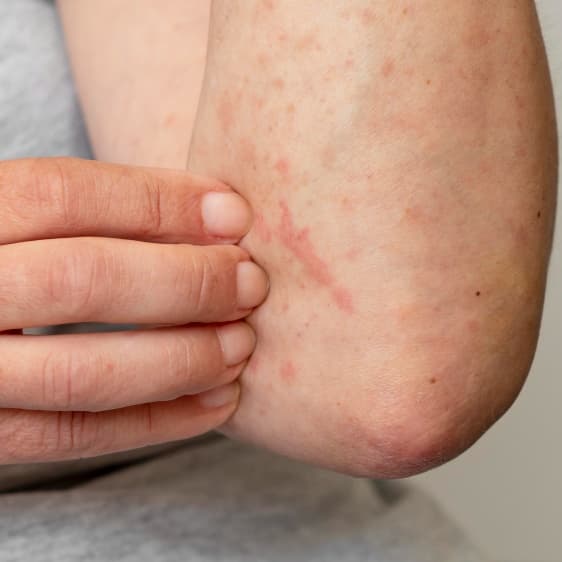
Urticaria (hives) is a skin reaction causing itchy, red, or skin-colored raised wheals caused by histamine release.
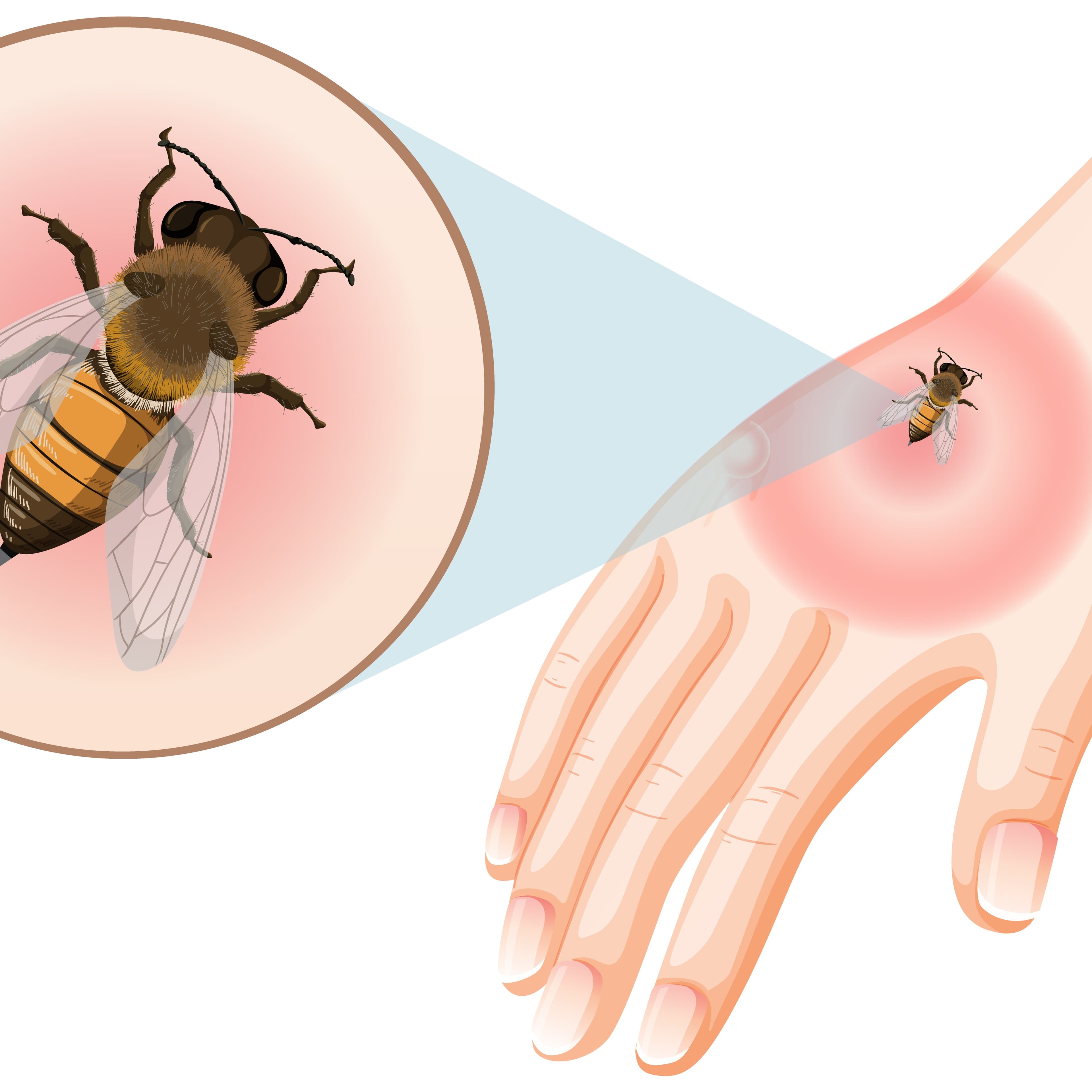
Drug and insect allergies are immune system overreactions to medications (e.g., antibiotics, NSAIDs) or venom (bees, wasps, ants).
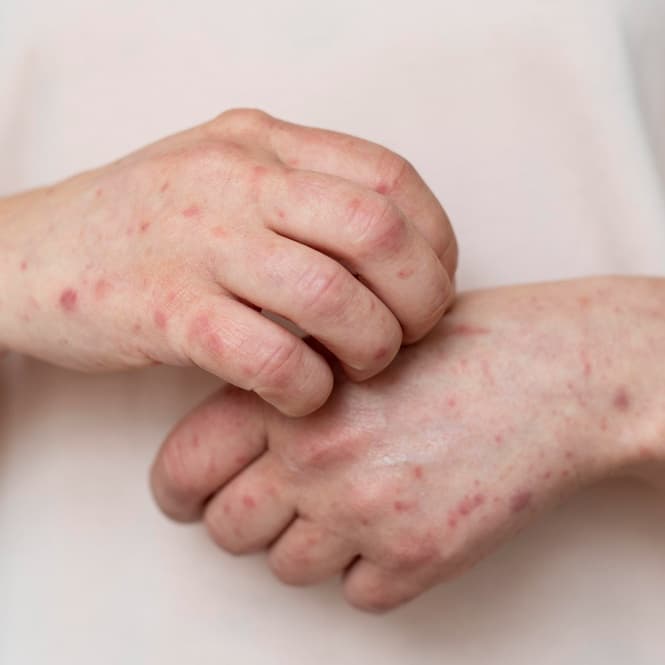
Eczema (atopic dermatitis) is a chronic, non-contagious condition causing itchy, inflamed, and dry skin, often triggered by immune system responses to environmental factors or a weak skin barrier.
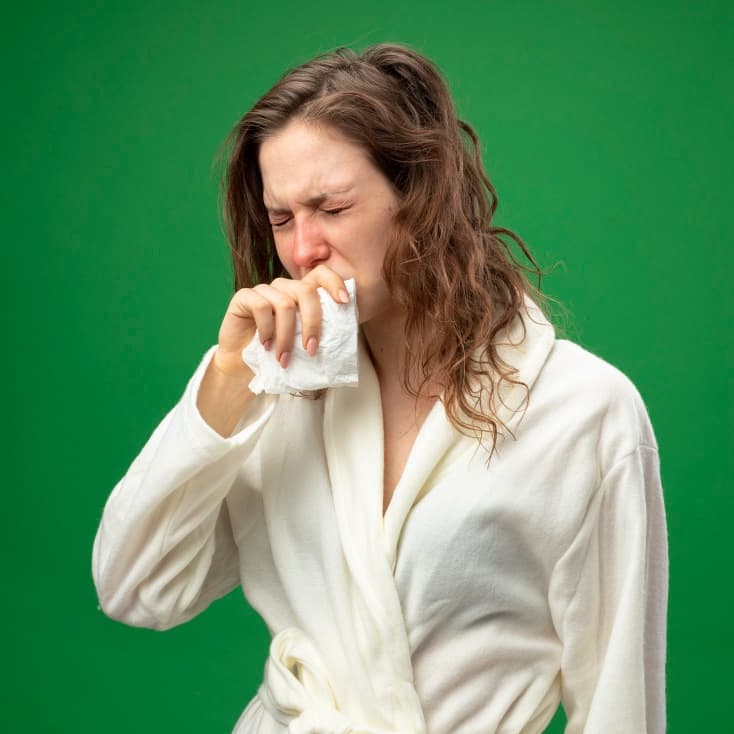
Allergic rhinitis, commonly known as hay fever, is an inflammatory immune response in the nose, eyes, and throat triggered by inhaling allergens like pollen, dust, or pet dander.
Important highlights and key medical insights about this condition.
Most Common Allergens: Pollen (hay fever), dust mites, mold, animal dander, nuts, shellfish, and certain medications like penicillin.
Symptoms: Runny nose, sneezing, itchy eyes, skin rashes (hives), swelling, abdominal pain, and breathing problems.
Severe Reaction (Anaphylaxis): A life-threatening, sudden reaction that can cause throat swelling, breathing trouble, and low blood pressure.
Common Food Allergens: Children most commonly react to milk, egg, and peanut, while adults most frequently react to shellfish.
Connect with experienced doctors who specialize in treating this condition and receive professional medical guidance.

Qualifications: BHMS , BHS(Public Health ,Canada)
Timing: Seasonal allergies (hay fever) occur in spring, summer, or fall due to pollen or mold.
Rise in Allergies: Allergy cases are increasing globally.

Qualifications: BHMS.(FMHMC), MSc Psychology and Counselling, PG Diploma in Guidance and Counselling, Diploma Interactive Drawing Therapy (IDT), Cognitive Behavioural Therapy (CBT), De‑addiction Training (NIMHANS).

Qualifications: BHMS

Qualifications: BHMS (Homeo), MSc Psychology, PG Diploma in Guidance & Counselling, Diploma in Nutrition and Health Education, Bachelor of Health Science Public Health (Canada), Certified Public Health Inspector of Canada.