Loading...
Loading...
Loading...
Allergic rhinitis, commonly known as hay fever, is an inflammatory immune response in the nose, eyes, and throat triggered by inhaling allergens like pollen, dust, or pet dander.
Allergic rhinitis, commonly known as hay fever, is an inflammatory immune response causing cold-like symptoms—runny nose, itchy eyes, sneezing, and congestion. It occurs when the immune system overreacts to airborne allergens like pollen, dust mites, or pet dander.
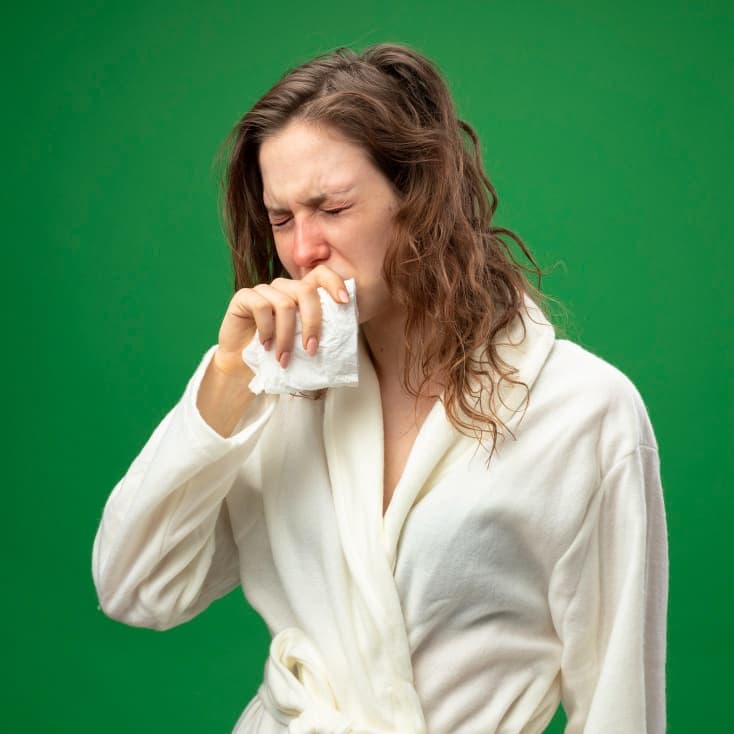
Homeopathy treats allergic rhinitis by aiming to boost the immune system and reduce hypersensitivity to allergens, rather than just suppressing symptoms. It uses highly diluted substances tailored to the patient's specific symptoms—such as sneezing, congestion, and itchy eyes—to stimulate the body’s healing response and reduce the need for conventional medications.
Recognizing early symptoms can help identify health issues sooner and ensure timely medical care.
Frequently in rapid succession.
Blocked or stuffy nose.
Clear, thin mucus.
In the nose, mouth, throat, or ears.
Red, watery, and itchy eyes (conjunctivitis).
Understanding the underlying causes helps doctors diagnose conditions accurately and choose the most effective treatment.

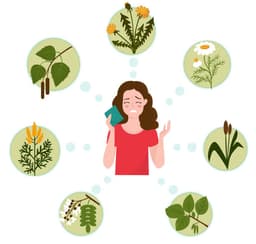
Pollen from trees, grasses, and weeds (common in spring/summer).
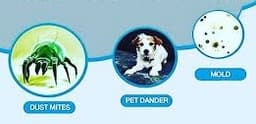
Dust mites found in bedding/carpets, pet dander (dead skin cells), and mold spores.
Certain lifestyle habits, health conditions, or environmental factors may increase the likelihood of developing this condition.

A family history of allergies significantly increases risk.

Growing up in a smoking household or exposure to high pollution.
Important highlights and key medical insights about this condition.
Common Causes: Pollen (trees, grass, weeds), dust mites, mold, and animal dander.
Types: Seasonal: Occurs in spring, summer, or fall due to pollen. Perennial: Occurs year-round due to indoor allergens like pet dander or dust mites.
Signs: "Allergic shiners" (dark circles under eyes) and "allergic salute" (rubbing nose upward) are common, especially in children.
Sleep & Productivity: Causes fatigue, insomnia, decreased productivity, and poor concentration.
Quality of Life: Causes irritability, anxiety, and social discomfort.
Complications: Can lead to sinusitis, ear infections, and worsening of asthma.
Learn more about this speciality and how our experts help you achieve better health outcomes.
Allergic rhinitis affects 10%–30% of the global population, often beginning in childhood or young adulthood, with up to 80% of cases developing before age 20. It is most common in individuals with a family history of allergies, asthma, or eczema, and is frequently driven by environmental exposures like pollen, pet dander, or dust mites.
See a doctor for allergic rhinitis if symptoms interfere with daily life or sleep, do not improve with over-the-counter (OTC) medication, or if you develop signs of complications like sinus infections.
Connect with experienced doctors who specialize in treating this condition and receive professional medical guidance.

Qualifications: BHMS , BHS(Public Health ,Canada)

Qualifications: BHMS.(FMHMC), MSc Psychology and Counselling, PG Diploma in Guidance and Counselling, Diploma Interactive Drawing Therapy (IDT), Cognitive Behavioural Therapy (CBT), De‑addiction Training (NIMHANS).

Qualifications: BHMS

Qualifications: BHMS (Homeo), MSc Psychology, PG Diploma in Guidance & Counselling, Diploma in Nutrition and Health Education, Bachelor of Health Science Public Health (Canada), Certified Public Health Inspector of Canada.