Loading...
Loading...
Loading...
Drug and insect allergies are immune system overreactions to medications (e.g., antibiotics, NSAIDs) or venom (bees, wasps, ants).
Drug and insect allergies are immune system overreactions to medications or venom (bee/wasp stings), causing symptoms ranging from rashes to life-threatening anaphylaxis. They occur when the body wrongly identifies these substances as threats. Immediate treatment involves epinephrine for severe reactions and antihistamines for mild ones.
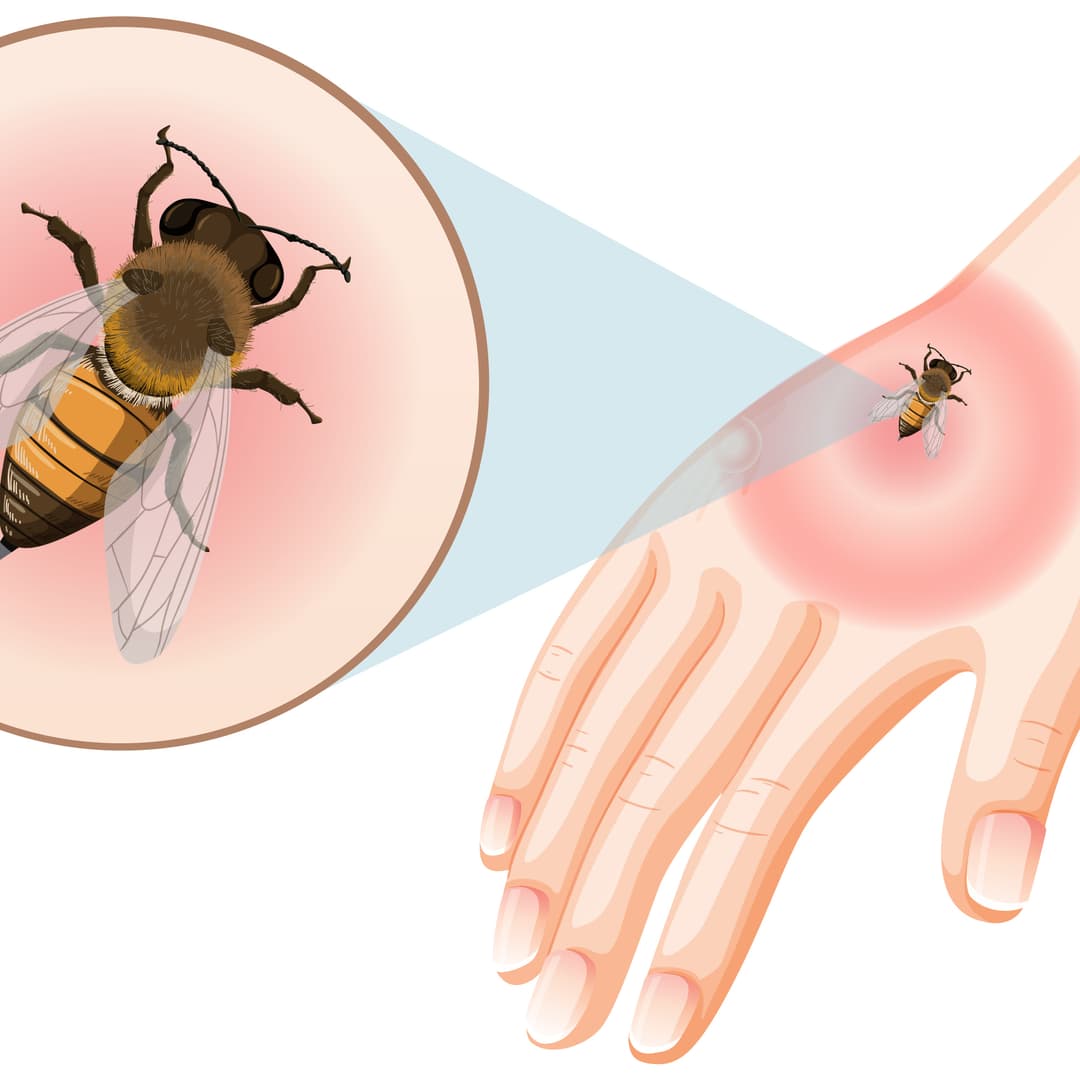
Homeopathy helps manage drug and insect allergies by using highly diluted substances designed to stimulate the body's immune response, aiming to reduce symptoms like hives, swelling, itching, and pain. It treats the individual's unique symptom profile, by employing unique remedies to neutralize allergic reactions.
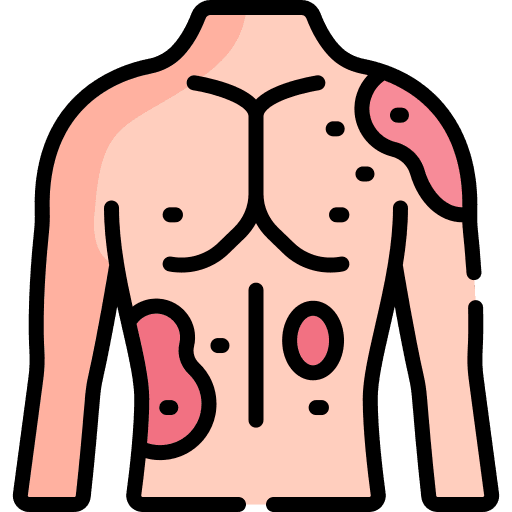
Recognizing early symptoms can help identify health issues sooner and ensure timely medical care.
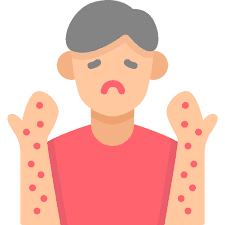
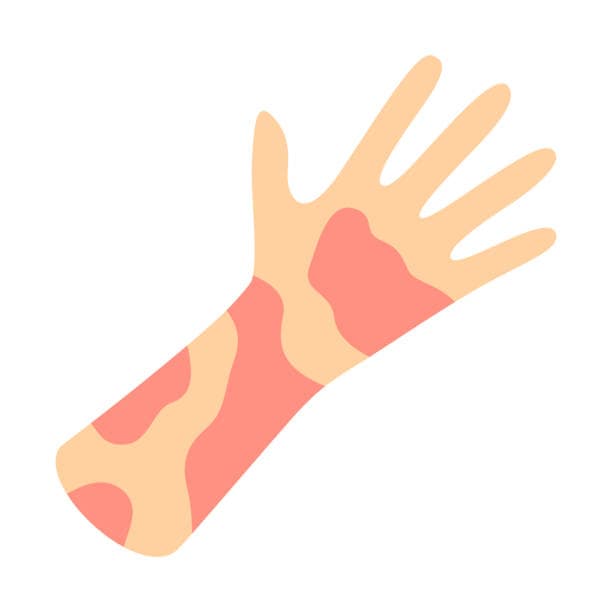


Understanding the underlying causes helps doctors diagnose conditions accurately and choose the most effective treatment.
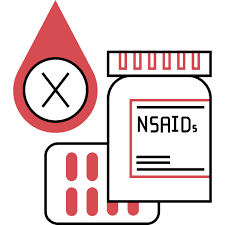

Certain lifestyle habits, health conditions, or environmental factors may increase the likelihood of developing this condition.

Having other allergies (e.g., hay fever, food allergies, asthma) or a family history of allergies increases overall susceptibility.

High doses, prolonged use, or frequent, repeated, and intermittent exposure to a medication increase risk.

Drug allergies are more common in young to middle-aged adults and in females.

Specific human leukocyte antigen (HLA) alleles and variations in drug-metabolizing enzymes can predispose individuals.
Important highlights and key medical insights about this condition.
Common Culprits of Drug Allergy: Antibiotics (especially penicillin), nonsteroidal anti-inflammatory drugs (NSAIDs) like aspirin/ibuprofen, and chemotherapy drugs.
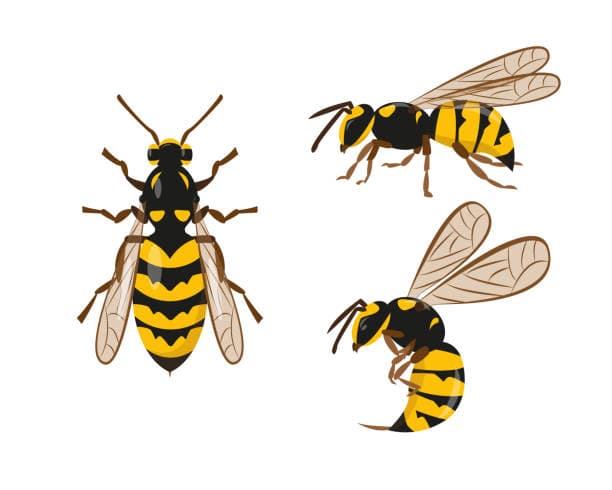
Common Culprits of Insect Allergy: Bees, wasps, hornets, yellow jackets, fire ants, and ticks.
Timing: Reactions are "immediate" (within 1–6 hours) or "delayed" (days to weeks later).
Severe Reaction: Anaphylaxis can occur within minutes of a sting, requiring emergency treatment.
Management: Avoiding the drug is key. Allergy shots (desensitization) may be considered in some cases.
Prevention: Wear shoes outdoors, avoid bright clothing, and avoid scented products.
Learn more about this speciality and how our experts help you achieve better health outcomes.
Drug and insect allergies affect individuals with specific genetic predispositions, immune system sensitivities, or frequent exposure to allergens. Drug allergies (e.g., penicillin) are common in young/middle-aged adults, often in females. Insect allergies (stings, cockroaches) impact anyone, often leading to severe anaphylaxis (1.6–5.1% of US adults) or year-round respiratory issues.
if you experience symptoms of anaphylaxis, including throat swelling, wheezing, dizziness, rapid pulse, or widespread hives.
Connect with experienced doctors who specialize in treating this condition and receive professional medical guidance.

Qualifications: BHMS , BHS(Public Health ,Canada)

Qualifications: BHMS.(FMHMC), MSc Psychology and Counselling, PG Diploma in Guidance and Counselling, Diploma Interactive Drawing Therapy (IDT), Cognitive Behavioural Therapy (CBT), De‑addiction Training (NIMHANS).

Qualifications: BHMS

Qualifications: BHMS (Homeo), MSc Psychology, PG Diploma in Guidance & Counselling, Diploma in Nutrition and Health Education, Bachelor of Health Science Public Health (Canada), Certified Public Health Inspector of Canada.