Loading...
Loading...
Loading...
Contact dermatitis is a common inflammatory skin condition, appearing as a red, itchy, and often painful rash caused by direct skin contact with specific substances.
Contact dermatitis is a common inflammatory skin condition, appearing as a red, itchy, and often painful rash caused by direct skin contact with specific substances. It is categorized into two main types: irritant (reaction to harsh chemicals) and allergic (immune reaction to an allergen), with symptoms including itching, swelling, blistering, and dry, cracked skin.
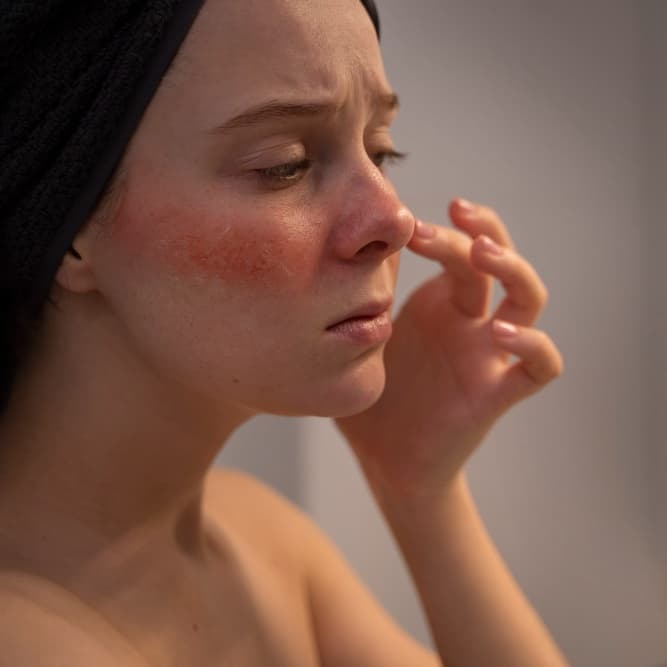
Homeopathy treats contact dermatitis by using highly diluted substances to stimulate the body's immune system to reduce inflammation, itching, and rash based on the patient's specific symptoms. it focus on relieving symptoms like burning, weeping eruptions, and skin irritation.
Recognizing early symptoms can help identify health issues sooner and ensure timely medical care.
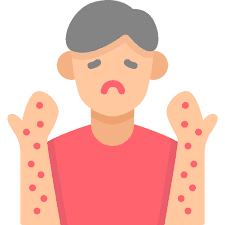
A, often well-defined, red (light skin) or dark purple/grey (dark skin) rash appears.
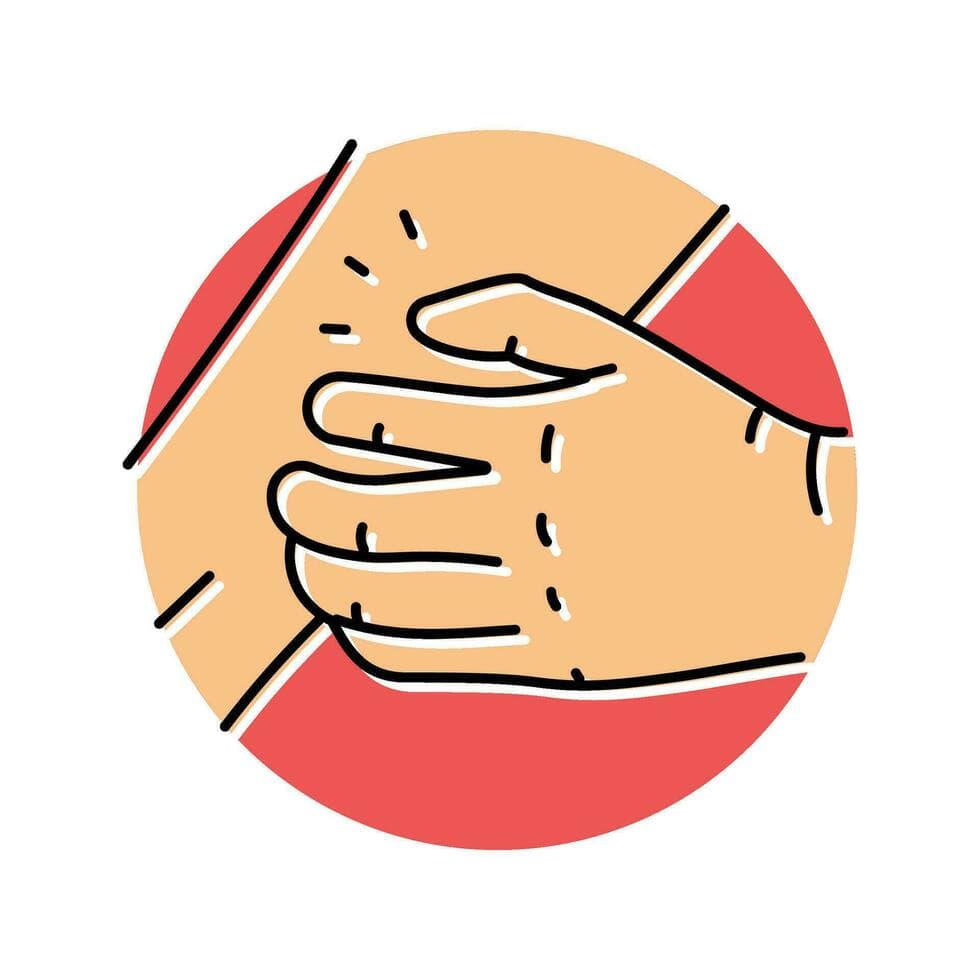
Severe itching is common, sometimes accompanied by a burning or stinging sensation.
Dry, cracked, scaly, or leathery skin patches.
Fluid-filled blisters may form, which can ooze, crust over, or scab.
Localized swelling, particularly on the eyelids, lips, or genital area.
Understanding the underlying causes helps doctors diagnose conditions accurately and choose the most effective treatment.

Gloves, shoes, and elastic bands

Fragrances, preservatives in shampoos, lotions, and cosmetics.
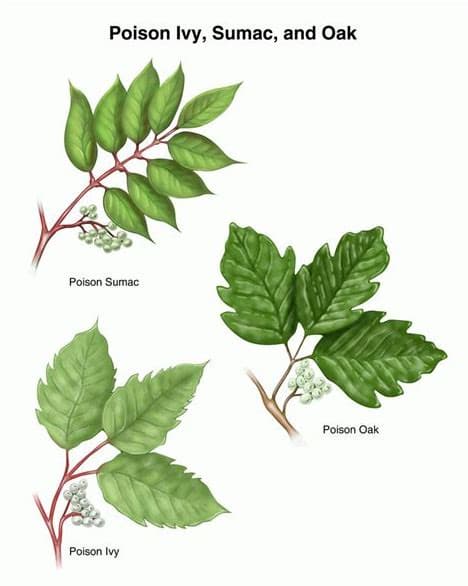
Urushiol in poison ivy, poison oak, and poison sumac.
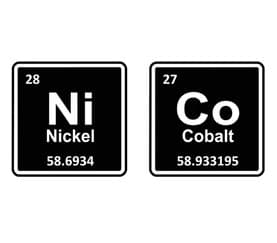
Nickel (in jewelry, watches, belt buckles) is a primary culprit, along with cobalt and chromates.
Repeated exposure to soaps, detergents, bleaches, solvents.

Hair dyes, adhesives, preservatives, and textile dyes.
Certain lifestyle habits, health conditions, or environmental factors may increase the likelihood of developing this condition.

Workers in cleaning, hairdressing, healthcare, and construction are at higher risk due to regular exposure to chemicals.

People with atopic dermatitis (eczema) are more prone to developing irritant reactions.
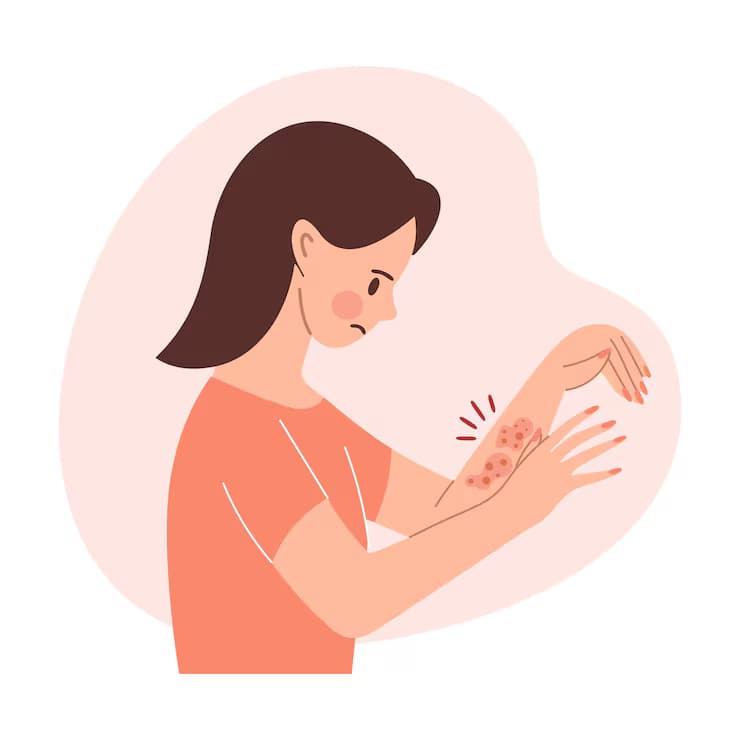
Occurs when substances like sunscreens or lotions interact with sunlight to cause a rash
Important highlights and key medical insights about this condition.
Irritant Contact Dermatitis: The most common type. Caused by substances that directly damage the skin, such as detergents, soaps, bleach, and cleaners.
Allergic Contact Dermatitis: An immune response to a specific allergen, such as nickel, fragrances, cosmetics, or preservatives.
Delayed Reaction: The rash may take 24–48 hours to appear after exposure.
Common Triggers: Nickel (jewelry, buttons), fragrance, preservatives, rubber/latex, poison ivy, and cosmetics.
Prognosis: Most cases resolve when the trigger is avoided, though the reaction can take weeks to clear, and allergic sensitivities are often lifelong
Common Symptoms: Intense itching, red rash, dry or cracked skin, blisters, and swelling, frequently appearing in a localized area where the item touched the skin.
Learn more about this speciality and how our experts help you achieve better health outcomes.
Contact dermatitis affects anyone exposed to irritants or allergens (soap, nickel, fragrances, plants), with roughly 8% of adults having contact allergies. It is more common in women and individuals with sensitive skin, history of atopic dermatitis, or high-risk jobs like cleaners, healthcare workers, hair stylists, and mechanics.
See a doctor for contact dermatitis if the rash is severely itchy, painful, or widespread, interferes with sleep or daily activities, or shows signs of infection like pus or yellow scabs.
Connect with experienced doctors who specialize in treating this condition and receive professional medical guidance.

Qualifications: BHMS , BHS(Public Health ,Canada)

Qualifications: BHMS.(FMHMC), MSc Psychology and Counselling, PG Diploma in Guidance and Counselling, Diploma Interactive Drawing Therapy (IDT), Cognitive Behavioural Therapy (CBT), De‑addiction Training (NIMHANS).

Qualifications: BHMS

Qualifications: BHMS (Homeo), MSc Psychology, PG Diploma in Guidance & Counselling, Diploma in Nutrition and Health Education, Bachelor of Health Science Public Health (Canada), Certified Public Health Inspector of Canada.