Loading...
Loading...
Loading...
Cardio exercises are activities that increase your heart rate, improve circulation, and strengthen the cardiovascular system.
Any activity that raises your heart rate for a sustained period—such as walking, cycling, jogging, swimming, or aerobic workouts—counts as cardio. The key is continuous movement that challenges your heart and lungs.

Most people benefit from 150 minutes of moderate‑intensity or 75 minutes of vigorous‑intensity cardio per week. This can be spread across several short sessions to fit your schedule
Explore specific conditions and related treatments.



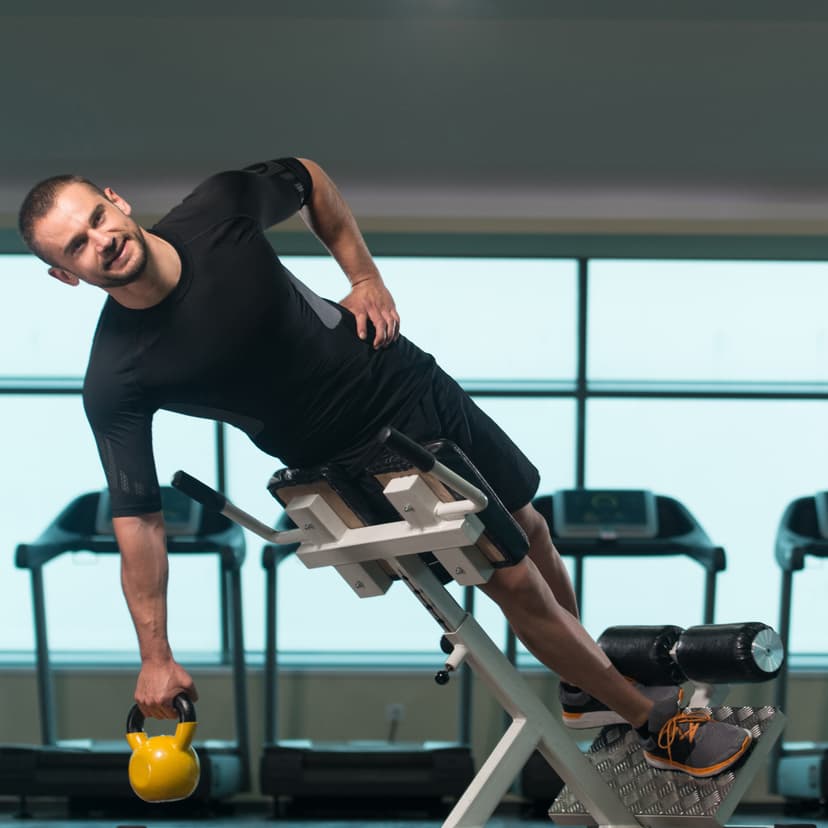
High‑intensity cardio involves short bursts of vigorous activity that significantly elevate the heart rate, followed by brief recovery periods. This style of training boosts cardiovascular fitness, burns calories efficiently, and improves overall endurance in less time than traditional steady‑state cardio

Moderate‑intensity cardio involves steady, continuous movement that raises your heart rate while still allowing you to maintain a conversation. These exercises improve cardiovascular health, boost stamina, and support weight management without placing excessive stress on the body
Learn more about this speciality and how our experts help you achieve better health outcomes.
Yes. Cardio helps burn calories and supports a healthy metabolism, especially when combined with strength training and balanced nutrition.
Absolutely. Low‑impact options like walking or cycling are great starting points and can be gradually progressed.
Not necessarily. Many effective cardio exercises—like brisk walking, stair climbing, or body‑weight circuits—require no equipment at all.
Many people notice improved energy and stamina within a few weeks. Consistency is the biggest factor in long‑term progress.
Connect with experienced doctors who specialize in treating this condition and receive professional medical guidance.

Qualifications: BHMS.(FMHMC), MSc Psychology and Counselling, PG Diploma in Guidance and Counselling, Diploma Interactive Drawing Therapy (IDT), Cognitive Behavioural Therapy (CBT), De‑addiction Training (NIMHANS).

Qualifications: Bachelors in physiotherapy
