Loading...
Loading...
Loading...
Physical fitness is a measurable state of health achieved through a combination of proper nutrition, regular physical exercise, and sufficient rest.
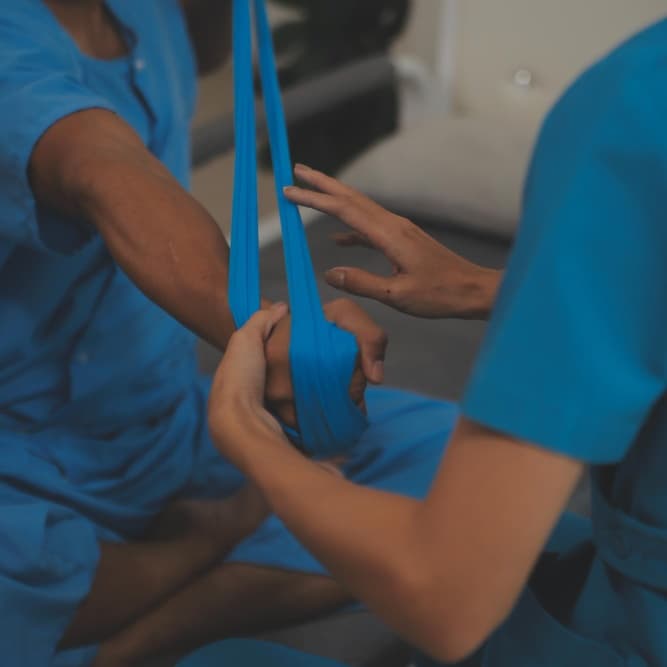
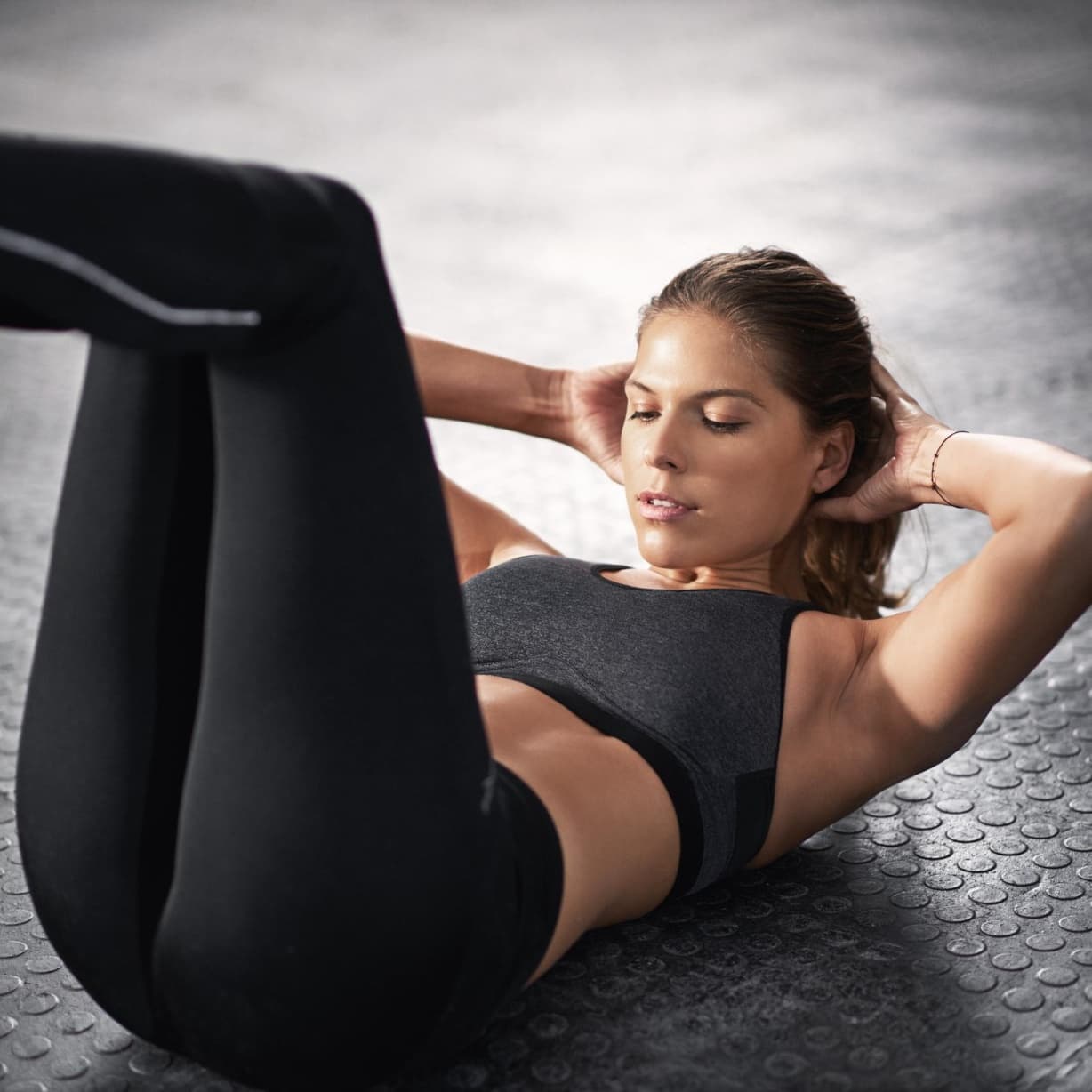
Beginners benefit from simple, low‑impact movements such as walking, light strength training, gentle stretching, and basic core activation. These exercises build confidence, improve mobility, and prepare the body for more advanced training over time.
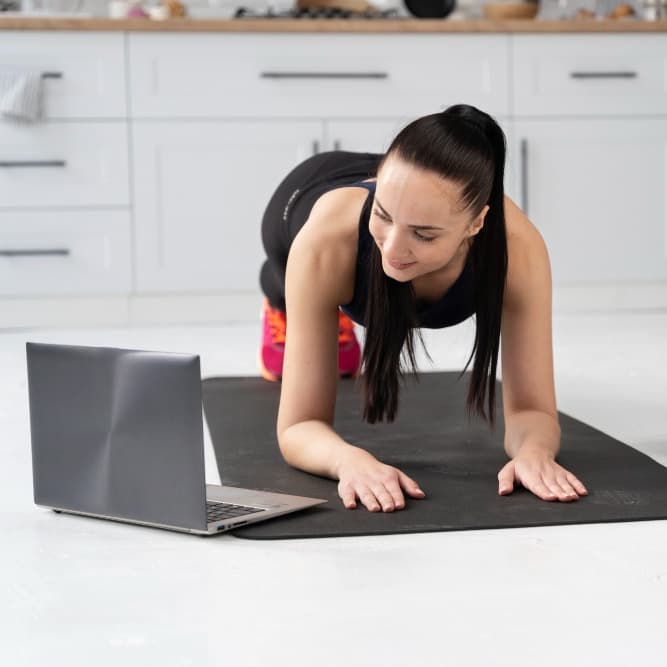
Most people notice improvements with 3–5 sessions per week, combining cardio, strength training, and flexibility work. Consistency matters more than intensity, and gradual progression helps prevent injury while supporting long‑term success.
Explore specialised treatment areas under Fitness.
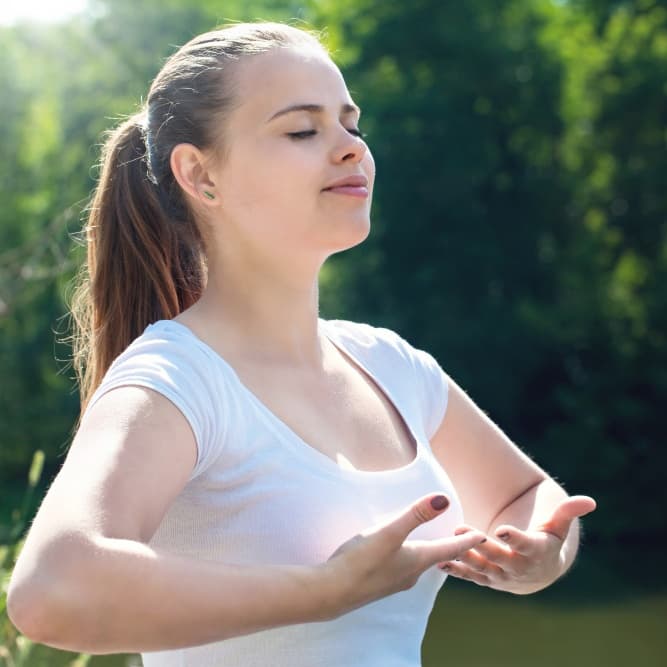

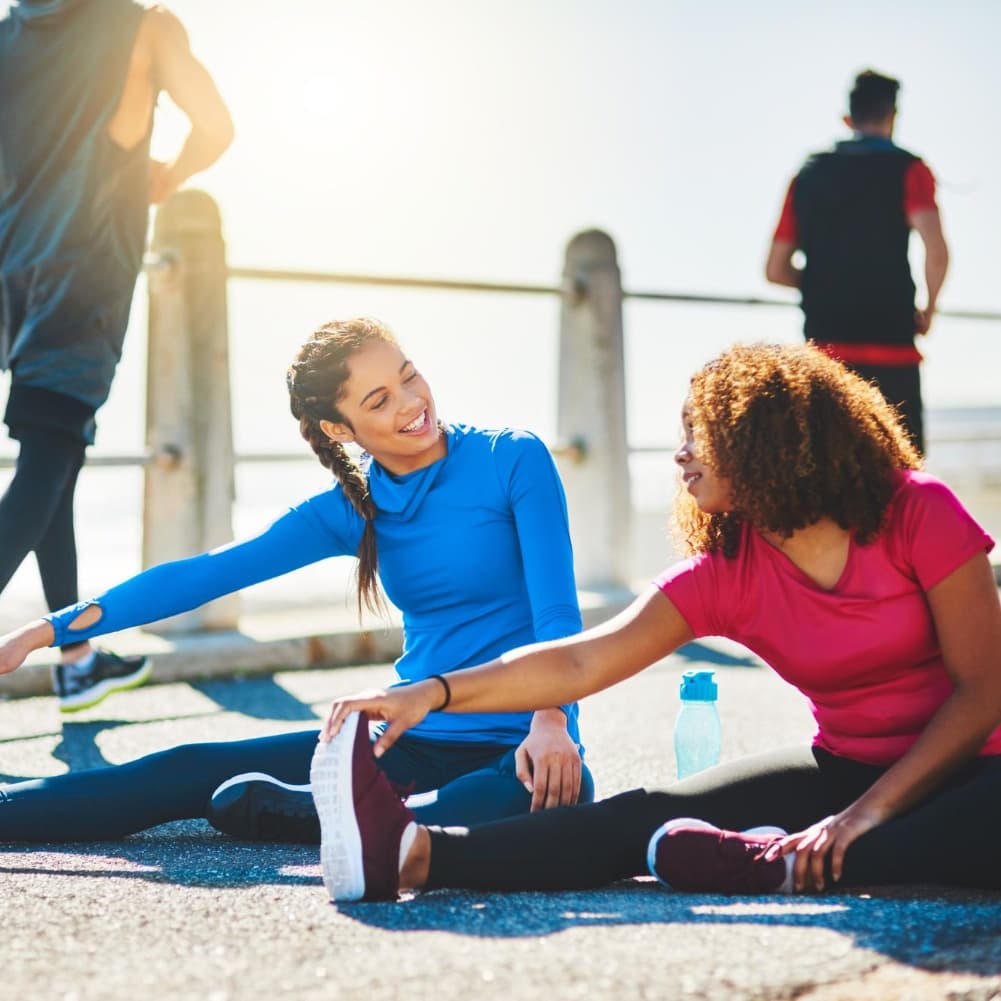
Lifestyle fitness focuses on integrating movement and healthy habits into everyday routines rather than relying solely on structured workouts. It emphasizes simple, sustainable choices—like walking more, taking the stairs, stretching throughout the day, or staying active during household tasks.
Learn more about this speciality and how our experts help you achieve better health outcomes.
No. Many effective exercises use body weight only. Equipment can be added later as your routine progresses.
Yes. Exercises can be modified to accommodate injuries, post‑surgical recovery, chronic conditions, or mobility limitations. Always follow guidance from a qualified professional.
Most sessions range from 20 to 45 minutes, depending on goals, fitness level, and available time.
Absolutely. Stretching improves flexibility, reduces muscle tension, and supports better movement patterns during exercise.
Setting realistic goals, tracking progress, and choosing activities you enjoy helps maintain long‑term motivation and consistency.
Connect with experienced doctors who specialize in treating this condition and receive professional medical guidance.
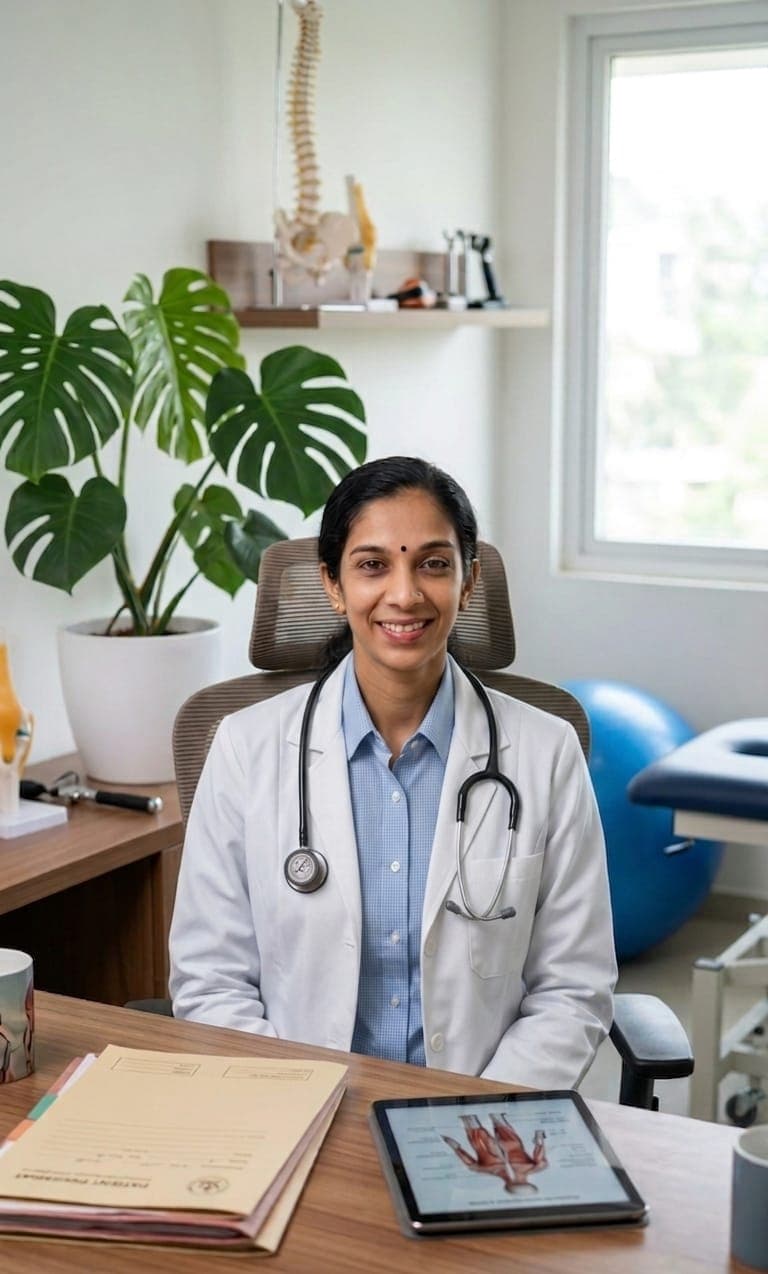
Qualifications: BPT
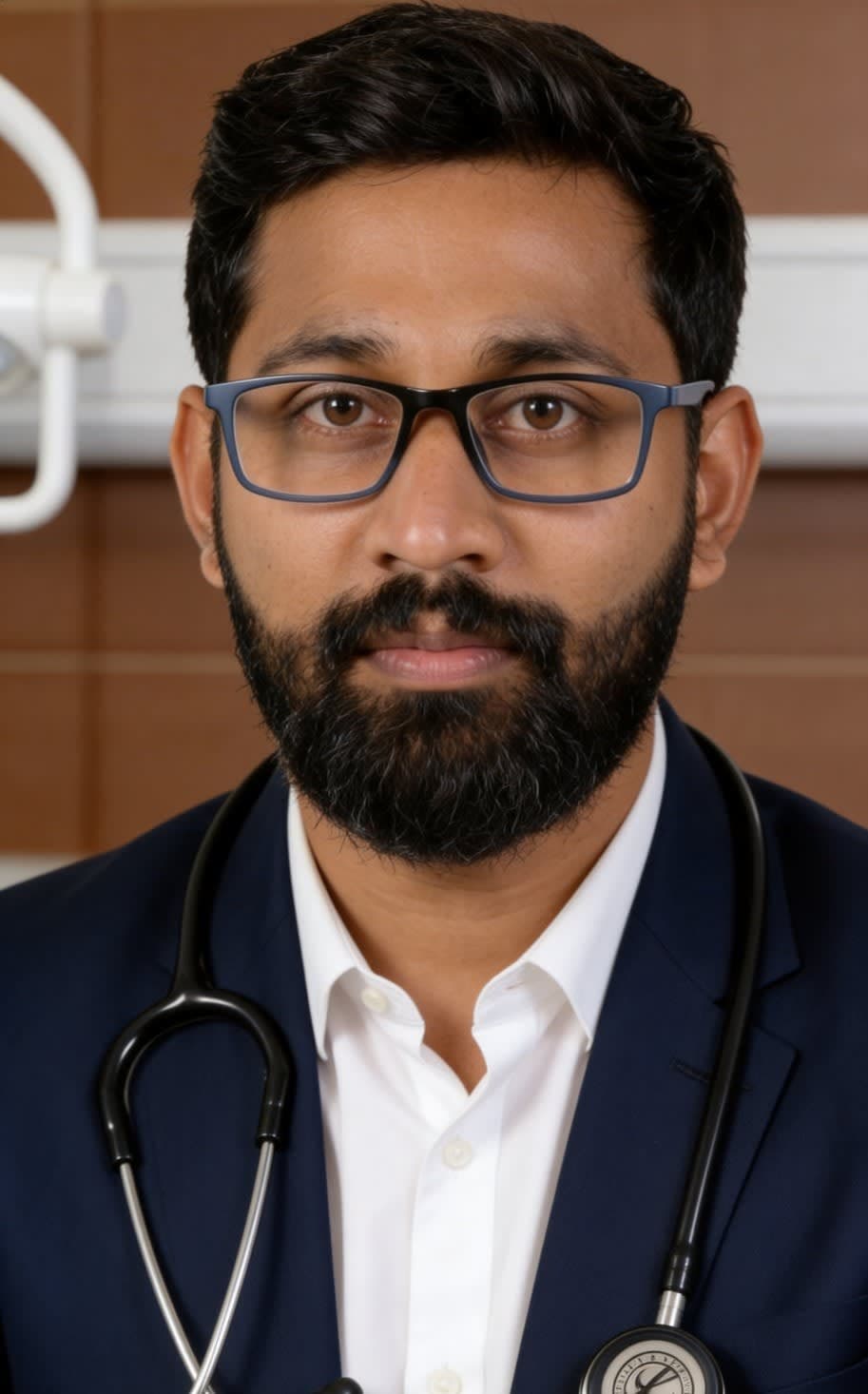
Qualifications: BHMS.(FMHMC), MSc Psychology and Counselling, PG Diploma in Guidance and Counselling, Diploma Interactive Drawing Therapy (IDT), Cognitive Behavioural Therapy (CBT), De‑addiction Training (NIMHANS).

Qualifications: Bachelors in physiotherapy