Loading...
Loading...
Loading...
Core strengthening focuses on improving the strength and stability of the muscles that support the spine, pelvis, and abdomen.
A strong core stabilizes the spine, improves posture, and supports safe, efficient movement. It also helps reduce back pain and enhances performance in both daily tasks and exercise.

Most people benefit from 2–4 core sessions per week, allowing rest between workouts. Consistency matters more than intensity, especially when building foundational strength.
Explore specific conditions and related treatments.


Core mobility and flexibility focus on improving the movement and suppleness of the muscles and joints surrounding the spine, hips, and torso. These exercises help reduce stiffness, enhance posture, and support smoother, more efficient movement during daily activities and workouts.

Lower back strengthening focuses on improving the stability, endurance, and control of the muscles that support the lumbar spine. These exercises help reduce stiffness, improve posture, and enhance the body’s ability to handle daily movements such as lifting, bending, and standing

Functional core training focuses on strengthening the core through movements that mimic real‑life activities. Instead of isolating single muscles, it trains the core to stabilize, support, and coordinate the body during everyday tasks such as lifting, twisting, reaching, and bending.


Static core strength focuses on holding the body in stable positions that require sustained engagement of the abdominal, back, and hip muscles. Instead of moving through repetitions, these exercises challenge the core to maintain proper alignment and resist movement.
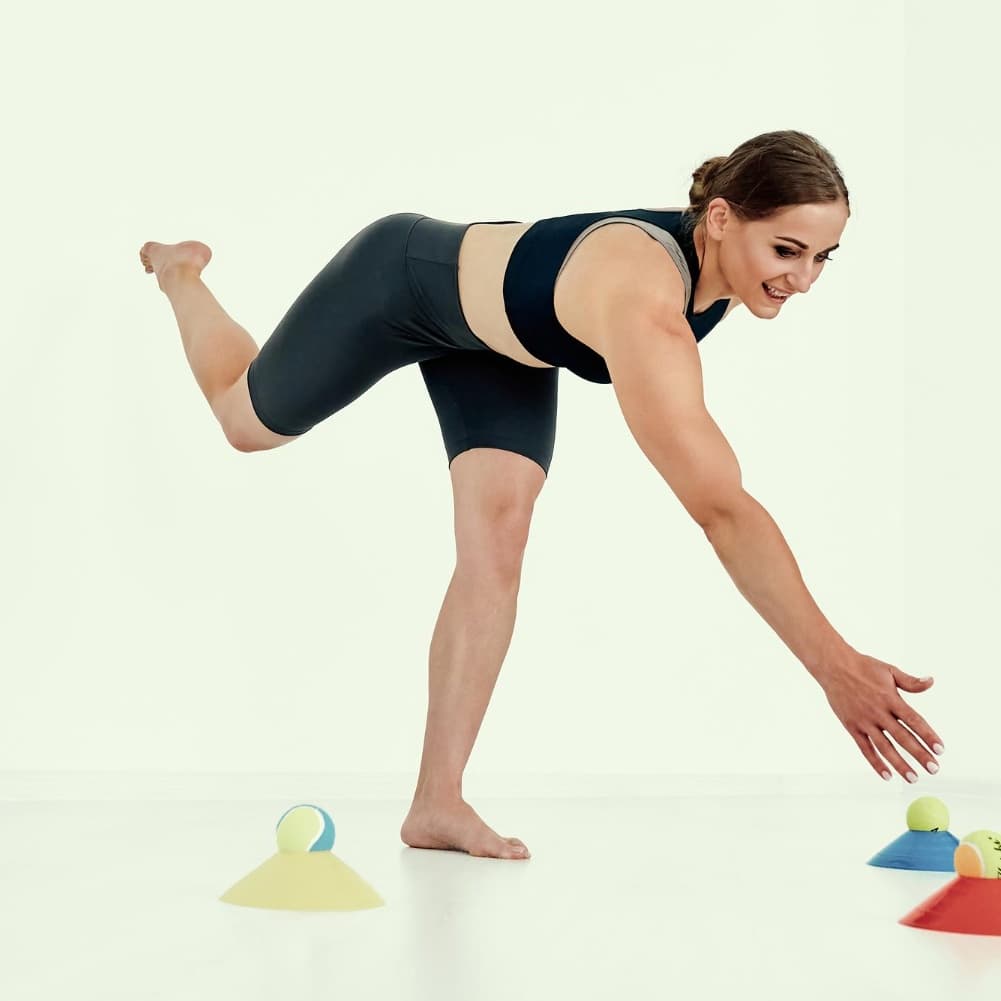
Stability and control training focuses on teaching the body to maintain proper alignment and balanced movement during both static positions and dynamic activities. These exercises strengthen the deep stabilizing muscles of the core, hips, and spine, helping the body stay steady and coordinated under load or during motion.

Core activation refers to the gentle, intentional engagement of the deep abdominal and spinal stabilizing muscles that support posture and movement. These exercises teach the body how to properly “switch on” the core before and during activity, improving stability, alignment, and control.
Connect with experienced doctors who specialize in treating this condition and receive professional medical guidance.

Qualifications: BHMS.(FMHMC), MSc Psychology and Counselling, PG Diploma in Guidance and Counselling, Diploma Interactive Drawing Therapy (IDT), Cognitive Behavioural Therapy (CBT), De‑addiction Training (NIMHANS).

Qualifications: BPT