Loading...
Loading...
Loading...
Lifestyle fitness focuses on integrating movement and healthy habits into everyday routines rather than relying solely on structured workouts. It emphasizes simple, sustainable choices—like walking more, taking the stairs, stretching throughout the day, or staying active during household tasks.
Lifestyle fitness includes any activity that increases daily movement, such as walking to run errands, doing yard work, taking stretch breaks, choosing active transportation, or incorporating short bouts of strength or mobility work throughout the day. These small actions add up to meaningful health benefits
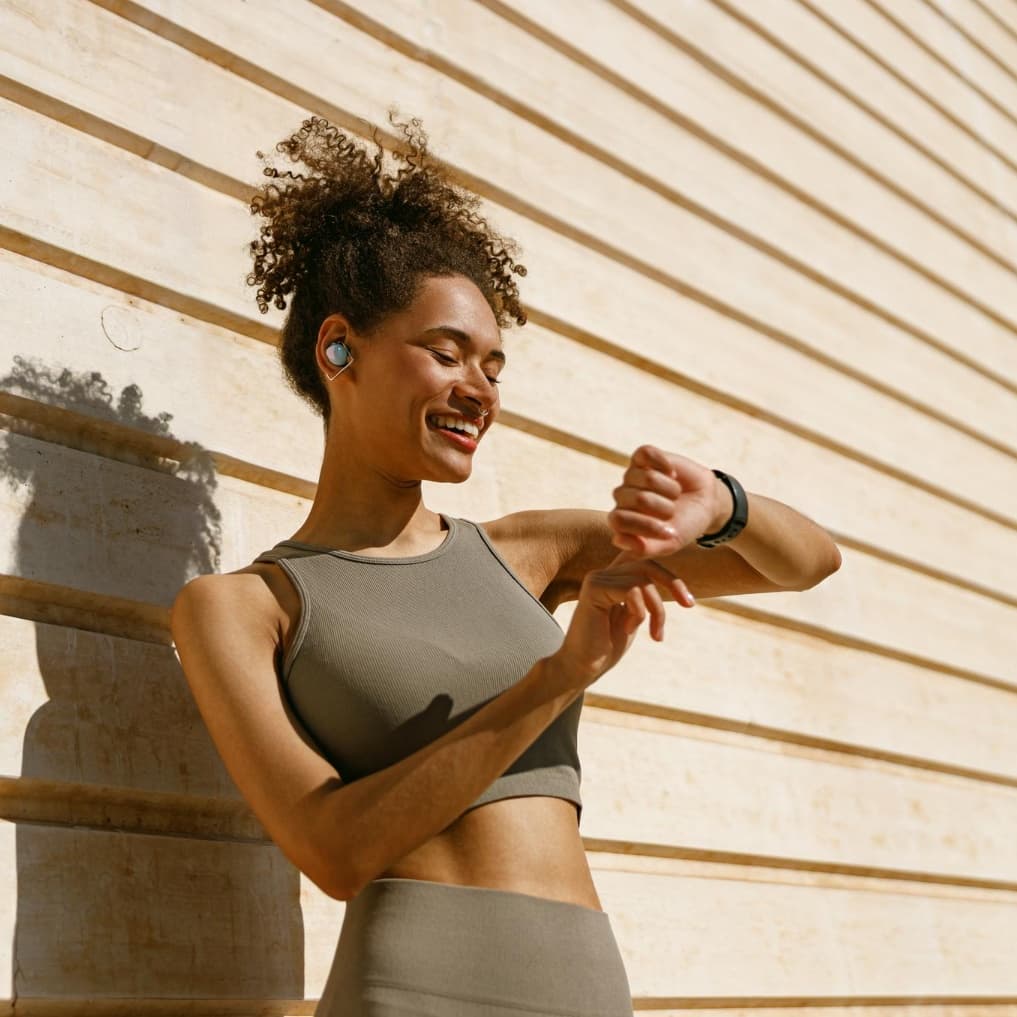
Start by adding simple habits like walking more, standing instead of sitting when possible, doing light stretching during breaks, or completing quick body‑weight exercises at home. Consistency matters more than intensity—regular movement throughout the day supports long‑term health and well‑being.
Explore specific conditions and related treatments.

Healthy routines that support long‑term wellness focus on small, sustainable habits that promote physical, mental, and emotional well‑being. These routines include balanced nutrition, regular movement, quality sleep, stress‑management practices, and consistent self‑care. Rather than relying on short‑term fixes, long‑term wellness is built through daily choices that enhance energy, resilience, and overall quality of life.
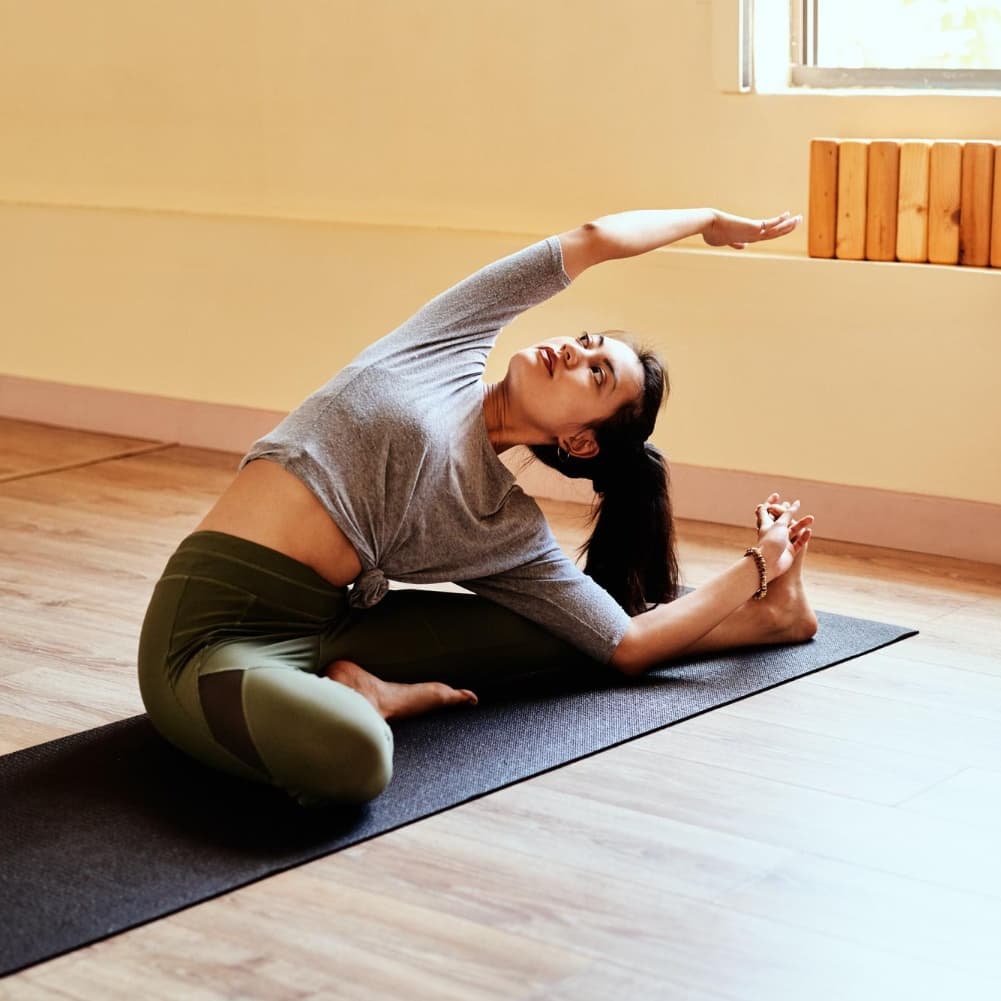
Stress‑reducing activities such as yoga, stretching, and mindful breathing help calm the nervous system, release muscle tension, and improve overall mental and physical well‑being. These practices promote relaxation by lowering heart rate, improving circulation, and encouraging deeper, more controlled breathing.
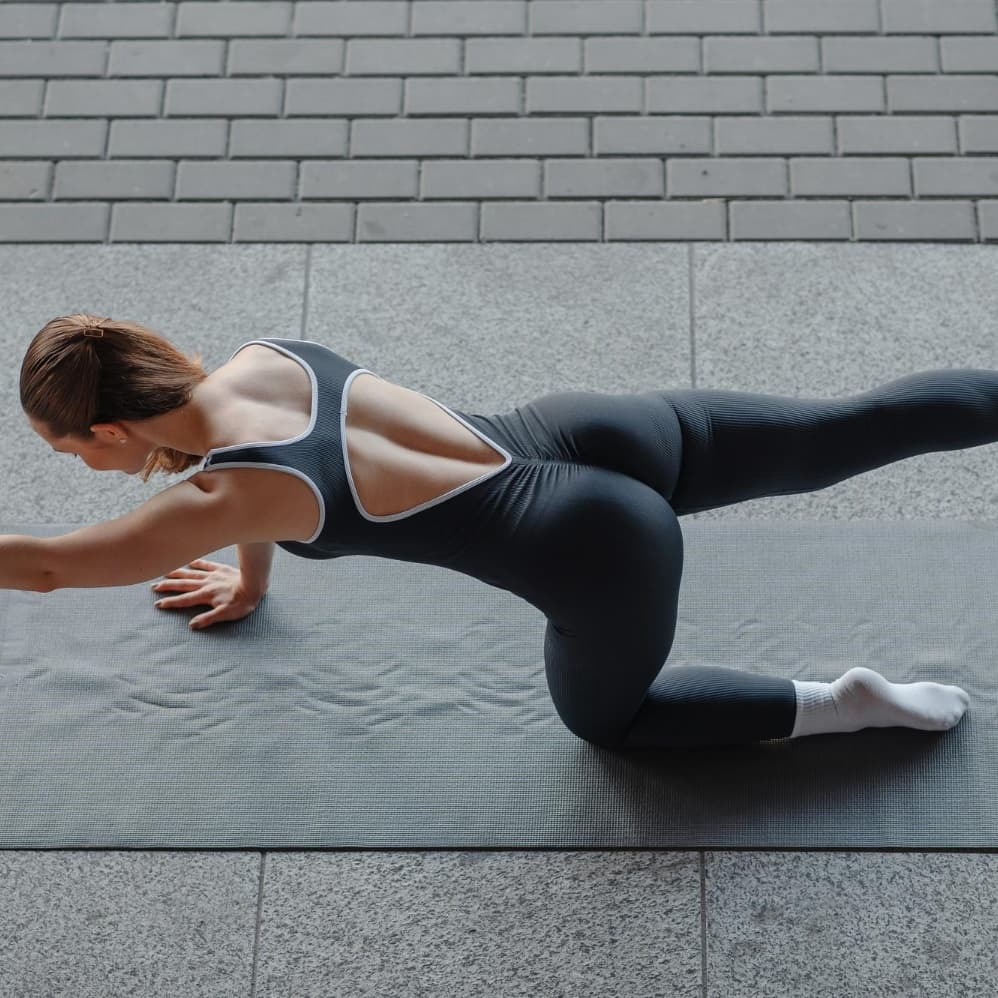
osture and ergonomic habits focus on positioning the body in ways that reduce strain, support spinal alignment, and promote comfortable, efficient movement throughout the day. Good posture helps distribute weight evenly, reduces muscle fatigue, and prevents unnecessary stress on the joints and soft tissues.

Daily movement goals focus on increasing overall physical activity through simple, achievable habits such as walking more, standing regularly, and incorporating short bursts of movement throughout the day. Common goals include tracking steps and active minutes, both of which help measure how much you move beyond structured exercise.
Connect with experienced doctors who specialize in treating this condition and receive professional medical guidance.

Qualifications: BHMS.(FMHMC), MSc Psychology and Counselling, PG Diploma in Guidance and Counselling, Diploma Interactive Drawing Therapy (IDT), Cognitive Behavioural Therapy (CBT), De‑addiction Training (NIMHANS).

Qualifications: BPT

Qualifications: Bachelors in physiotherapy