Diabetic Retinopathy & Homeopathy: What You Need to Know to Protect Your Vision
When you're managing diabetes, keeping track of daily blood sugar levels, meals and appointments can feel like a full-time job. With so much to monitor, it's easy to forget about the quiet changes happening inside your body, especially in your eyes.
Diabetic retinopathy is one of the most important diabetes-related eye complications to understand. Because it can develop without obvious symptoms in its early stages, regular eye examinations and early detection are essential for protecting your vision.
The good news is that early detection, proper diabetes management, regular retinal screening and appropriate medical care can play an important role in reducing the risk of serious vision loss.
Some people also explore complementary approaches such as homeopathy as part of their broader health and wellness journey. However, homeopathy should not replace an ophthalmologist's care, diabetes treatment or recommended eye screening.
What Actually Happens to the Eyes in Diabetic Retinopathy?
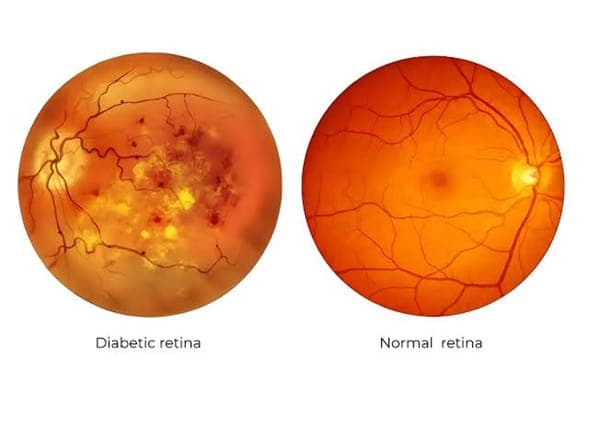
Think of the retina, the light-sensitive layer at the back of your eye, as a delicate camera sensor. To work properly, it relies on a fine network of tiny blood vessels.
When blood sugar levels remain elevated over an extended period, these microscopic blood vessels can become damaged. They may:
- Become blocked, reducing the supply of oxygen to parts of the retina.
- Weaken and leak fluid or blood into surrounding tissue.
- Cause swelling that affects the retina and vision.
- Develop abnormal new blood vessels in more advanced stages.
Over time, these changes can lead to gradual and sometimes permanent vision loss.
If you have diabetes, managing your blood sugar and attending recommended diabetic eye screening appointments are important parts of protecting your eyesight.
Key Symptoms to Watch For
Because diabetic retinopathy can develop without noticeable symptoms, paying attention to changes in your vision is important. Common symptoms may include:
Blurred or Hazy Vision
You may find it increasingly difficult to focus on text, recognise familiar faces or see clearly at different distances.
Eye Floaters
You may notice dark spots, cobweb-like lines or small specks drifting across your field of vision.
Poor Night Vision
Some people may notice increasing difficulty seeing clearly in low-light environments.
Faded Colours
Colours may appear less vivid or more difficult to distinguish.
Sudden Vision Changes
A sudden or significant change in vision requires urgent medical assessment. Do not wait for an online consultation if you are experiencing a serious or sudden vision problem.
If you have diabetes and notice new visual symptoms, speak with an eye-care professional promptly.
The Role of Homeopathy in Diabetic Retinopathy
This is where it is important to separate complementary care from proven treatment for diabetic retinopathy.
Homeopathy is a complementary healthcare system that some people explore for individualised support. However, there is currently not sufficient reliable scientific evidence to establish homeopathy as an effective treatment for diabetic retinopathy itself.
It should therefore not be presented as a treatment that can reverse retinal damage, improve retinal blood circulation, reduce diabetic macular swelling or control blood glucose.
If you are interested in homeopathy while managing diabetes, the safest approach is to discuss it as a complementary option with a qualified practitioner while continuing the medical care recommended by your diabetes and eye-care teams.
Healora provides access to homeopathy consultations where patients can discuss their individual health concerns and explore whether a complementary consultation is appropriate.
You can explore Healora's Homeopathy service to learn more about the approach and available healthcare professionals.
How Complementary Homeopathic Care Can Fit Into a Broader Health Plan
If you are considering homeopathy while living with diabetes, the focus should be on complementary support rather than replacing established diabetic or ophthalmic care.
1. Individualised Health Discussions
Homeopathic consultations generally take an individualised approach. A practitioner may discuss your symptoms, health history, lifestyle and other aspects of your overall wellbeing.
This can provide an opportunity to discuss concerns that you may want to address alongside your existing healthcare.
2. Supporting Overall Health Awareness
Diabetes management involves more than simply checking blood glucose. Nutrition, physical activity, medication adherence, blood pressure, cholesterol and regular medical monitoring can all be important.
A complementary consultation should fit around your established diabetes management plan rather than replace it.
3. Discussing Eye-Related Symptoms Responsibly
If you experience blurred vision, floaters, eye pain, sudden vision changes or other visual symptoms, an eye-care professional should assess the problem.
Healora's Homeopathy service includes an Eye Complaints treatment area covering concerns such as blurry vision, redness, dryness, itching and light sensitivity.
However, patients should not assume that an eye complaint is caused by diabetes or that homeopathy is an appropriate substitute for an ophthalmological examination.
Frequently Referenced Homeopathic Remedies
In homeopathic practice, remedies are selected based on an individual's symptoms and overall case rather than simply choosing a remedy for a particular disease.
Some remedies are frequently discussed in homeopathic literature in relation to eye or circulatory complaints, including:
- Phosphorus
- Arnica Montana
- Bellis Perennis
- Crotalus Horridus
- Bothrops
However, these remedies should not be self-prescribed for diabetic retinopathy.
There is not sufficient clinical evidence to establish these remedies as treatments for diabetic retinopathy, and choosing a remedy based on an online article should never replace professional assessment.
If you are considering homeopathy, discuss your individual situation with a qualified practitioner.
Essential Daily Steps for Vision Protection
Managing diabetic retinopathy requires an all-round approach. Alongside your clinical treatments, make vision protection part of your diabetes care routine.
Maintain Stable Blood Sugar
Work with your healthcare team to keep your blood glucose and HbA1c within your recommended target range through appropriate diet, physical activity and prescribed medication.
Schedule Regular Retinal Screenings
Never skip your recommended diabetic eye examination simply because your vision feels normal.
Diabetic retinopathy can develop before noticeable changes in eyesight occur, which makes regular screening particularly important.
Monitor Cardiovascular Health
High blood pressure and elevated cholesterol can increase the risk of complications associated with diabetes. Follow your healthcare professional's recommendations for monitoring and managing these factors.
Adopt Healthy Habits
Avoid smoking and follow appropriate guidance regarding nutrition, physical activity and alcohol consumption.
These everyday choices can contribute to better overall diabetes management and long-term health.
A Final Note on Safe Care
Your sight is irreplaceable.
If you have diabetic retinopathy or are at risk of developing it, homeopathy should never replace ophthalmic care, diabetic treatment, retinal screening or prescribed medication.
Do not stop or alter your diabetes medication or eye treatment because you are considering a complementary approach.
If you experience sudden vision loss, a sudden increase in floaters, flashes of light, severe eye pain or another serious change in vision, seek urgent medical attention rather than waiting for an online consultation.
For people who are interested in complementary healthcare, the important thing is to approach it responsibly and keep appropriate conventional medical care at the centre of managing serious eye conditions.
About the Author & Consultations
Dr Reenidge Emmanuel
Healora Wellness Centre
At Healora Wellness Centre, we provide access to individualised healthcare consultations across multiple specialties. Our online platform allows patients to explore available healthcare professionals and book consultations from the comfort of home.
For people interested in complementary healthcare, Healora's Homeopathy service provides information about the approach and available practitioners. Healora's Homeopathy page currently includes treatment areas such as Eye Complaints and Lifestyle Disorders, including diabetes-related health concerns.
You can also explore available doctors and review the consultation options before booking.
Ready to Discuss Your Health?
If you are managing diabetes and want to explore a personalised complementary healthcare consultation, Healora Wellness Centre provides a convenient online platform to connect with available healthcare professionals.
Explore your options, ask questions and make informed decisions about your health.