Loading...
Loading...
Loading...
Online physiotherapy consultations provide convenient, expert‑guided care from the comfort of your home. Using secure video sessions, a licensed physiotherapist assesses your symptoms, movement patterns, lifestyle demands, and recovery goals. You’ll receive a personalized treatment plan that may include guided exercises, mobility work, posture correction, ergonomic advice, and self‑management strategies.
You can expect a structured assessment that includes discussing your symptoms, reviewing your movement through guided tests, and identifying contributing factors. Your physiotherapist will then provide tailored exercises, education, and strategies you can apply immediately.

For many conditions such as back pain, neck pain, joint stiffness, post‑surgical rehab, and exercise progression online physiotherapy is highly effective. Research shows that virtual care can match in‑person outcomes when assessments and exercises are properly guided.
Explore specialised treatment areas under Physiotherapy.
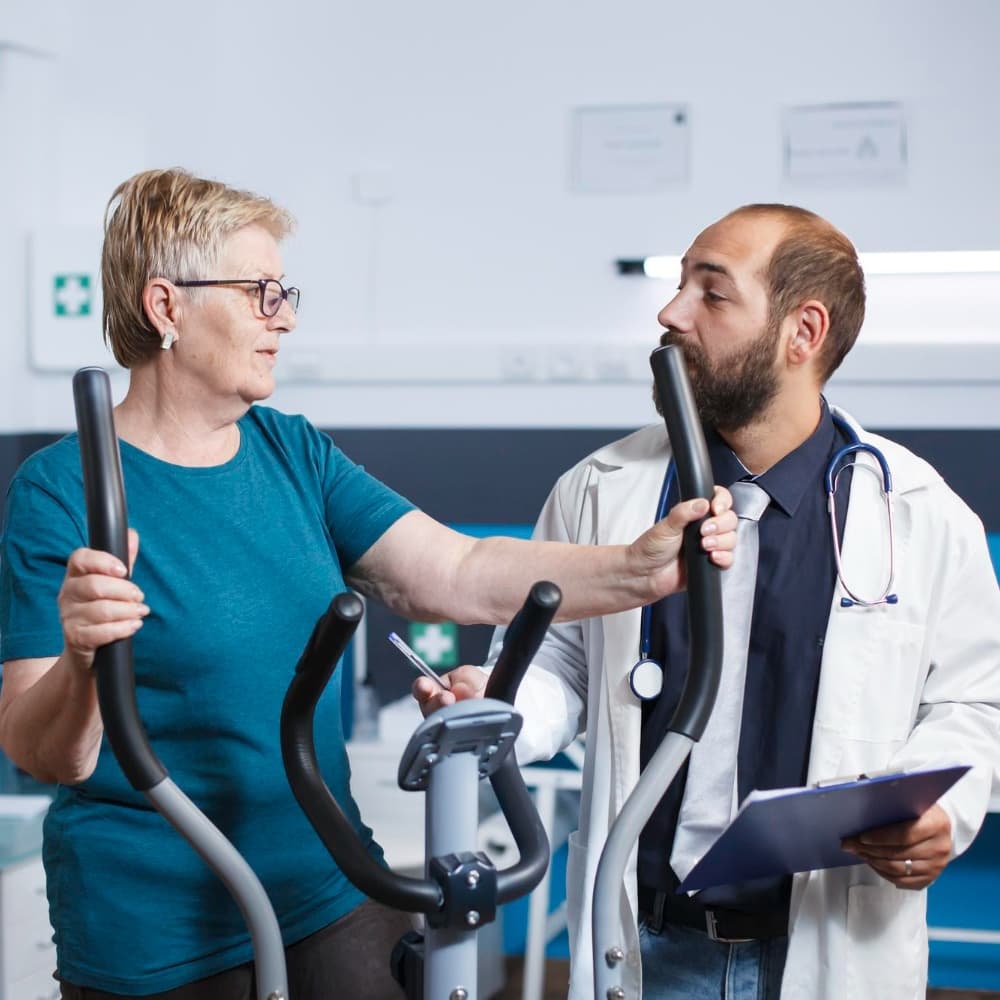
Cardio‑respiratory physiotherapy focuses on improving lung function, breathing efficiency, airway clearance, and overall cardiovascular endurance. It supports individuals living with conditions such as asthma, COPD, long‑COVID, pneumonia recovery, post‑surgical breathing limitations, and general deconditioning.

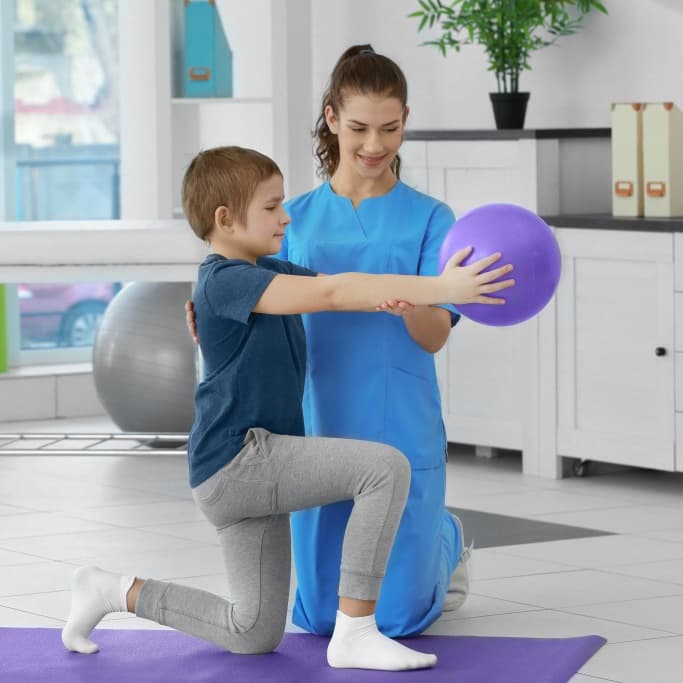
Fitness and lifestyle physiotherapy focuses on helping individuals build strength, mobility, and resilience through evidence‑based movement strategies. It blends physiotherapy principles with functional fitness coaching to support people in becoming more active, improving posture, preventing injuries, and enhancing overall quality of life.

Geriatric physiotherapy focuses on supporting the health, mobility, and independence of older adults. It addresses age‑related changes such as reduced strength, balance difficulties, joint stiffness, chronic pain, and decreased endurance. Through individualized assessment and evidence‑based treatment, physiotherapists help older adults stay active, prevent falls, manage chronic conditions, and maintain confidence in daily activities.
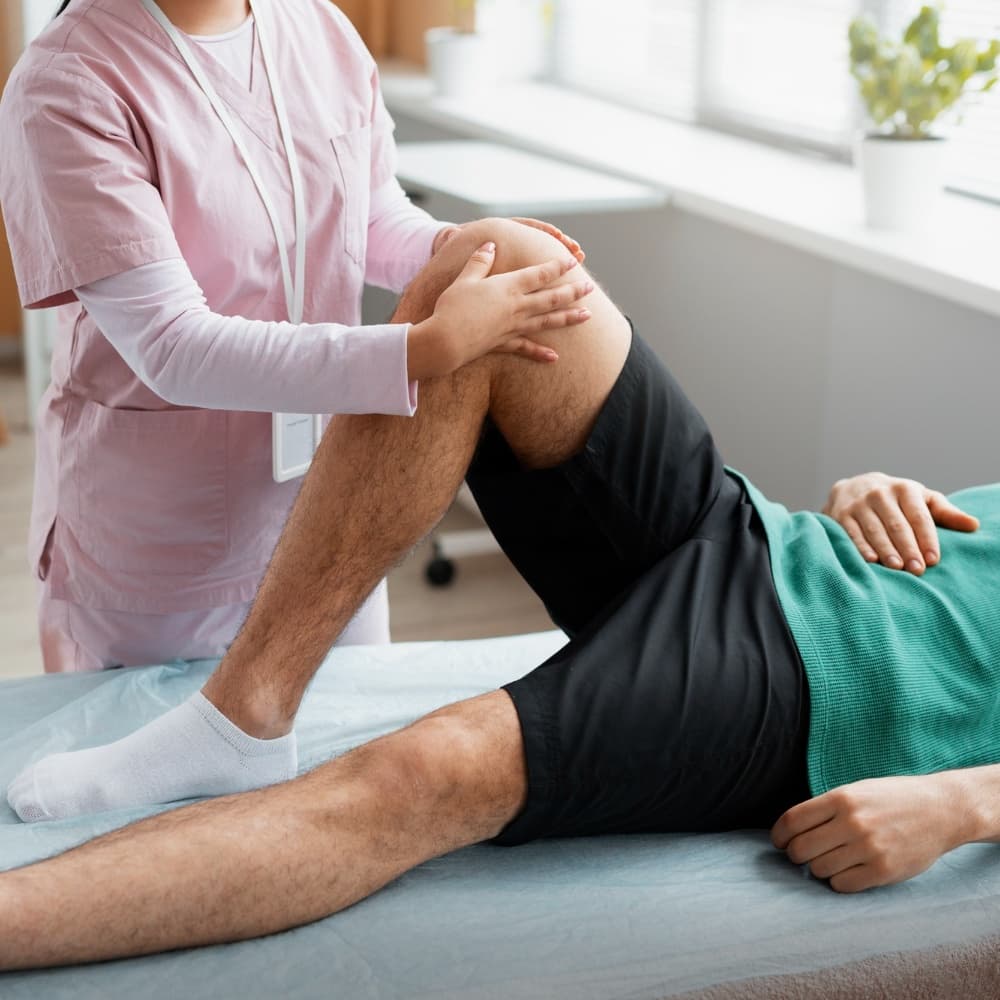
Musculoskeletal and orthopaedic physiotherapy focuses on assessing, treating, and preventing conditions that affect muscles, joints, ligaments, tendons, and bones. This includes injuries, post‑surgical recovery, chronic pain, mobility limitations, and movement dysfunctions.
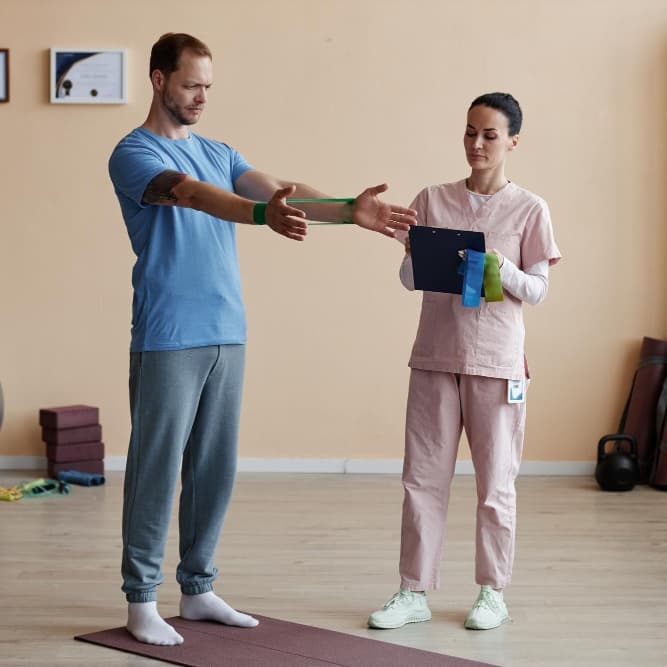
Post‑surgery rehabilitation physiotherapy supports safe, structured recovery after orthopedic, abdominal, cardiac, or general surgical procedures. It focuses on restoring mobility, reducing pain and swelling, rebuilding strength, and helping clients return to daily activities with confidence.

Pre & post‑partum rehabilitation physiotherapy supports individuals through the physical changes of pregnancy and the recovery period after childbirth. This specialized care focuses on pelvic floor health, core stability, posture, mobility, and safe return to daily activities and exercise.
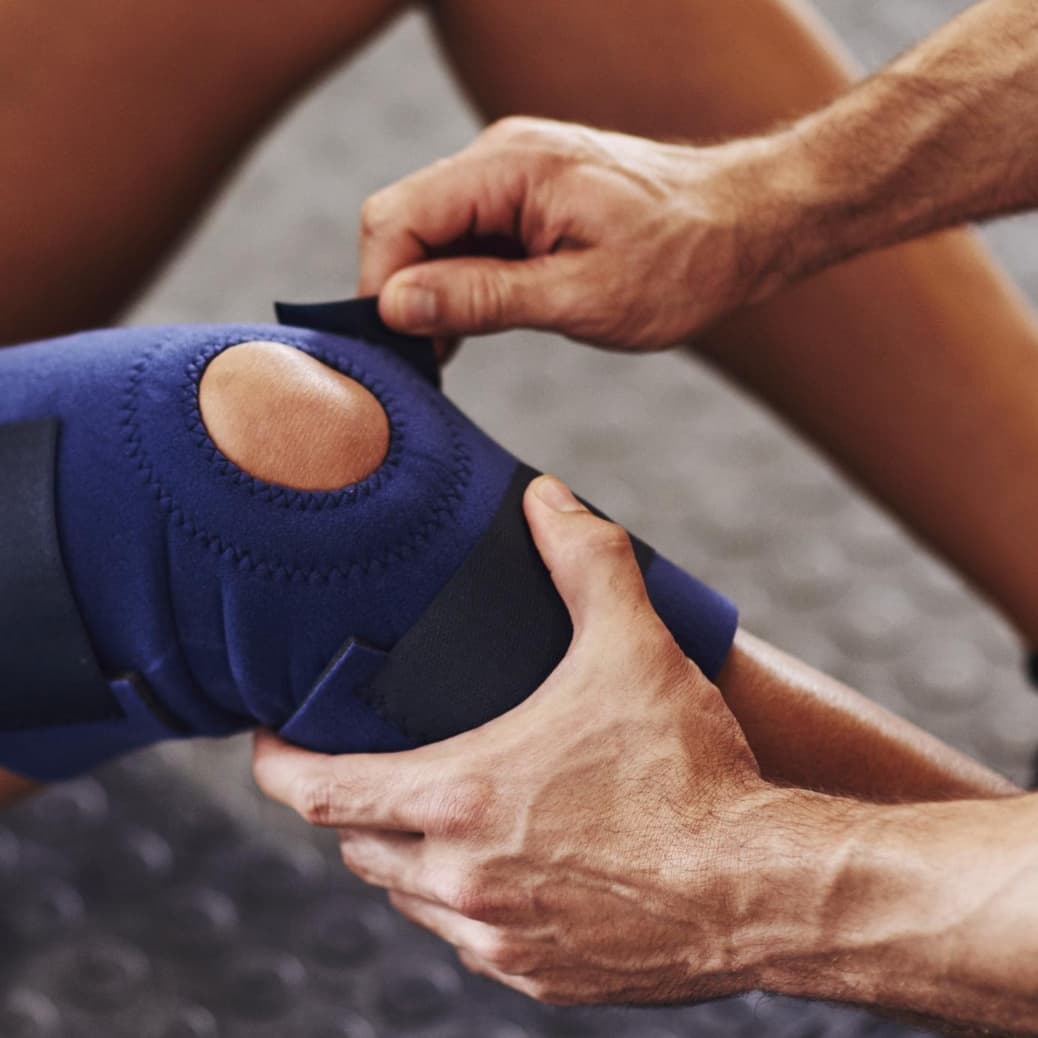
Sports & fitness physiotherapy focuses on helping active individuals prevent injuries, improve performance, and recover safely from physical strain. Whether someone is a competitive athlete, a recreational runner, a gym‑goer, or returning to activity after time away, this approach blends clinical assessment with functional training principles.

Women’s health physiotherapy focuses on supporting physical well‑being across all stages of life, including adolescence, pregnancy, postpartum recovery, menopause, and beyond. This specialized area addresses pelvic floor function, core stability, bladder and bowel concerns, pelvic pain, post‑surgical recovery, and changes related to hormonal transitions.
Learn more about this speciality and how our experts help you achieve better health outcomes.
No special equipment is required. A smartphone, tablet, or computer with a camera is enough. If you have bands, weights, or a mat, your therapist can incorporate them.
Sessions typically last 30–60 minutes, depending on your needs and the complexity of your condition.
Yes. You’ll receive a customized exercise plan with clear instructions, progressions, and safety tips.
Many insurance providers cover virtual physiotherapy. Coverage varies, so it’s best to check your plan details.
Important highlights and key medical insights about this condition.
- Evidence‑based: Studies show virtual physiotherapy can achieve comparable outcomes to in‑person care for many musculoskeletal conditions.
- Highly accessible: Ideal for individuals in rural areas, those with mobility limitations, or people with busy schedules.
- Continuity of care: Great for follow‑ups, exercise progression, and ongoing monitoring between clinic visits.
- Safe and guided: Therapists use structured movement assessments and real‑time coaching to ensure proper technique.
- Empowering: Online sessions emphasize self‑management, body awareness, and long‑term functional improvement.
Connect with experienced doctors who specialize in treating this condition and receive professional medical guidance.

Qualifications: BPT

Qualifications: Bachelors in physiotherapy