Loading...
Loading...
Loading...
Pregnancy and postpartum refer to the period of maternal health before and after childbirth. Pregnancy is the stage when a woman carries a developing fetus, typically lasting around 40 weeks. The postpartum period begins immediately after delivery and extends for about six weeks, though physical and emotional recovery can take longer.
Pregnancy is the biological process of fetal development inside the uterus, marked by changes in the mother’s body to support growth and prepare for childbirth. The postpartum period is the recovery phase after delivery, during which the mother’s body gradually returns to its pre-pregnancy state. This stage includes healing from childbirth, hormonal adjustments, breastfeeding, and emotional adaptation to motherhood. Both phases are critical for maternal and infant health.

Homeopathy provides gentle, individualized support for pregnancy and postpartum by addressing physical discomforts, emotional shifts, and aiding recovery without toxic side effects. Common remedies help manage morning sickness, support labor, promote lactation, and alleviate postpartum fatigue or blues, promoting overall, safe, holistic healing for mother and baby.
Explore specific conditions and related treatments.
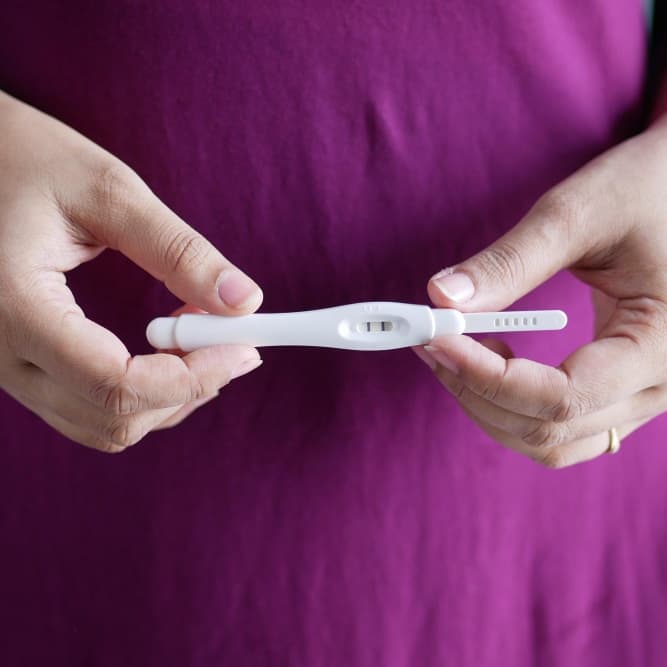
Preventing first trimester abortion refers to medical and lifestyle measures aimed at reducing the risk of miscarriage during the first 12 weeks of pregnancy. This period is considered the most delicate stage of pregnancy.

Lactation suppression refers to the process of reducing or stopping breast milk production after childbirth. While breastfeeding is encouraged for infant nutrition, some mothers may choose or need to stop due to medical, personal, or emotional reasons.

Insufficient breast milk refers to a condition where a mother produces less milk than required to meet her baby’s nutritional needs.
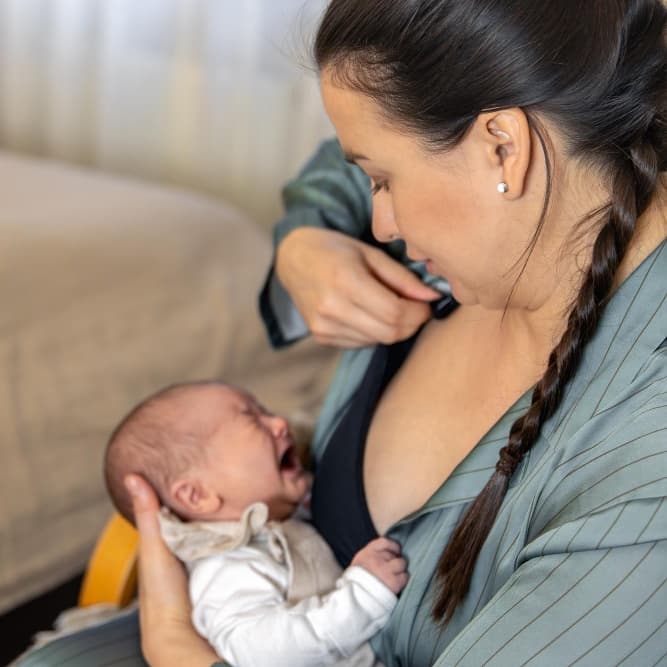
Postpartum mastitis is an infection and inflammation of breast tissue that occurs after childbirth, usually during breastfeeding. It is often caused by bacteria entering the breast through cracked or sore nipples, leading to pain, swelling, redness, and sometimes fever.

Nipple pain refers to discomfort, soreness, or sensitivity in the nipples, commonly experienced by women during breastfeeding, hormonal changes, or due to skin irritation. It can range from mild tenderness to sharp pain and may be temporary or persistent.

Postpartum depression is a serious mood disorder that can occur after childbirth, affecting a mother’s emotional, mental, and physical well-being. Unlike the “baby blues,” which involve mild mood swings and usually resolve within two weeks, postpartum depression is more intense and long-lasting.
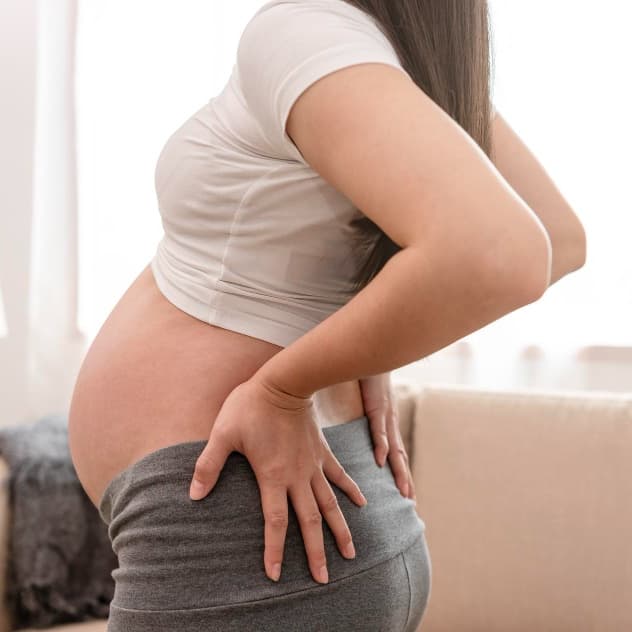
Back pain during pregnancy is a common discomfort experienced by expectant mothers, often due to the physical and hormonal changes that occur as the body adapts to support the growing baby.

Constipation during pregnancy is a common digestive issue experienced by expectant mothers. It is characterized by infrequent bowel movements, hard stools, and difficulty passing stool.
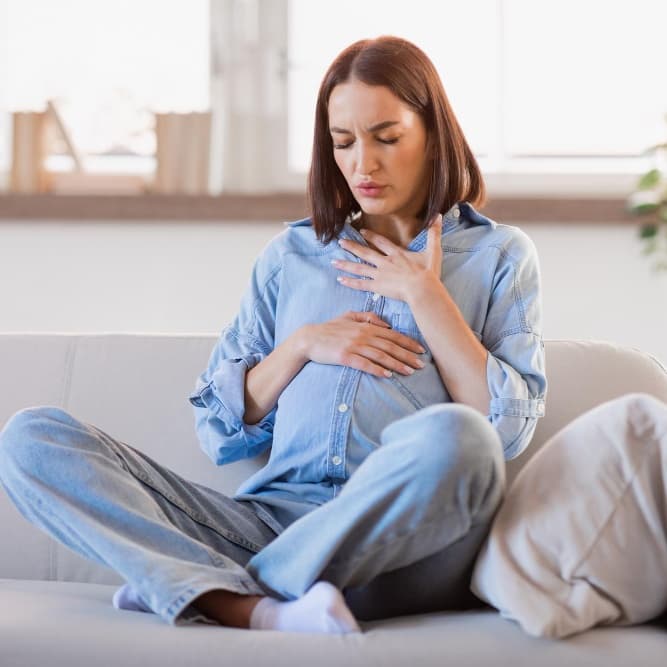
Heartburn and acid reflux are common digestive discomforts experienced by pregnant women, especially in the later stages of pregnancy. They occur when stomach acid flows back into the esophagus, causing a burning sensation in the chest or throat.
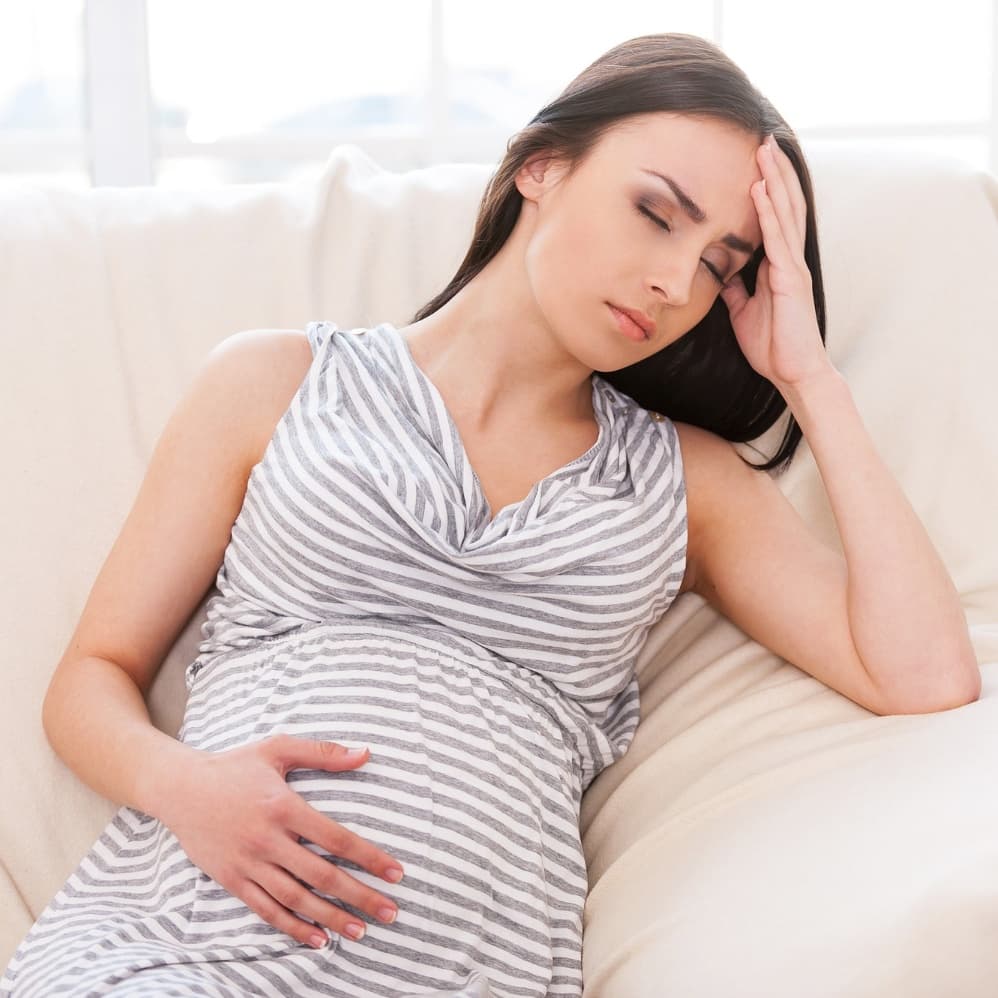
Morning sickness is a common pregnancy symptom characterized by nausea and vomiting, most often occurring in the early months of pregnancy. Despite its name, it can happen at any time of the day.
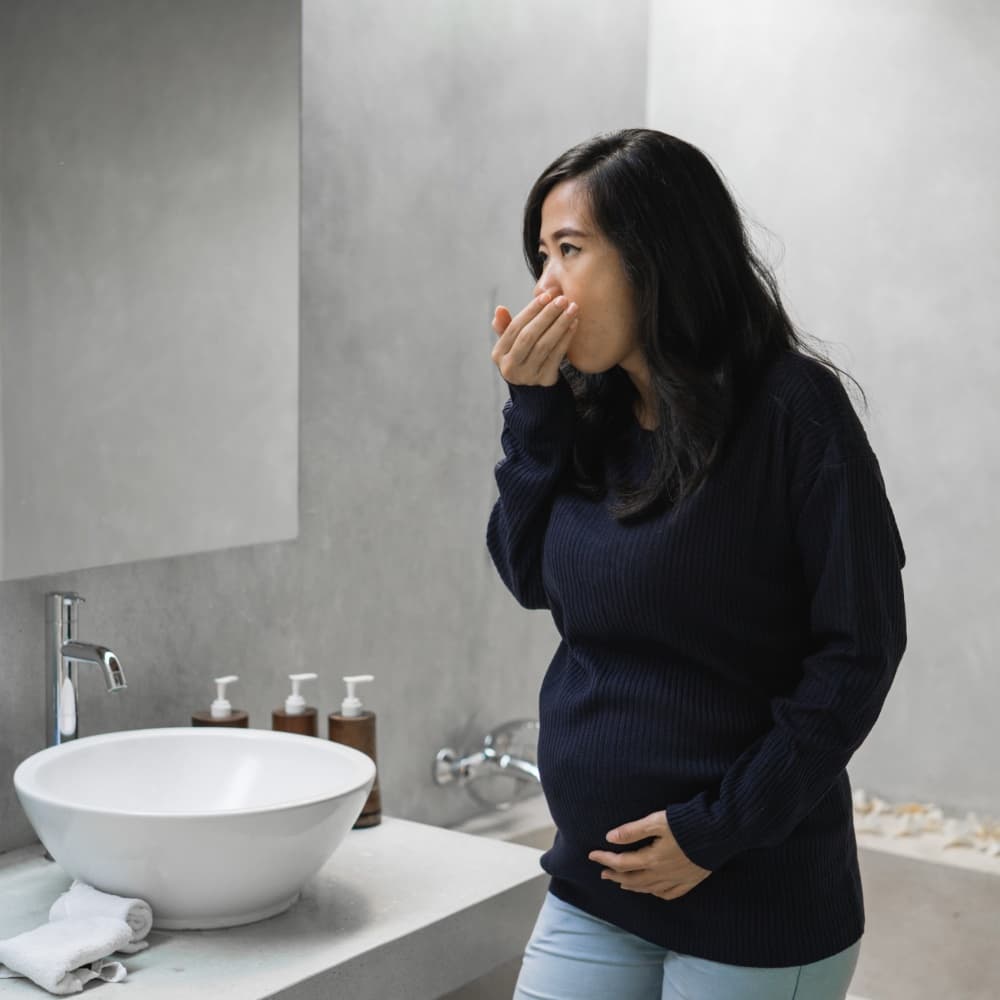
Hyperemesis gravidarum is a severe form of nausea and vomiting during pregnancy that goes beyond typical morning sickness. It can lead to dehydration, weight loss, electrolyte imbalances, and nutritional deficiencies.
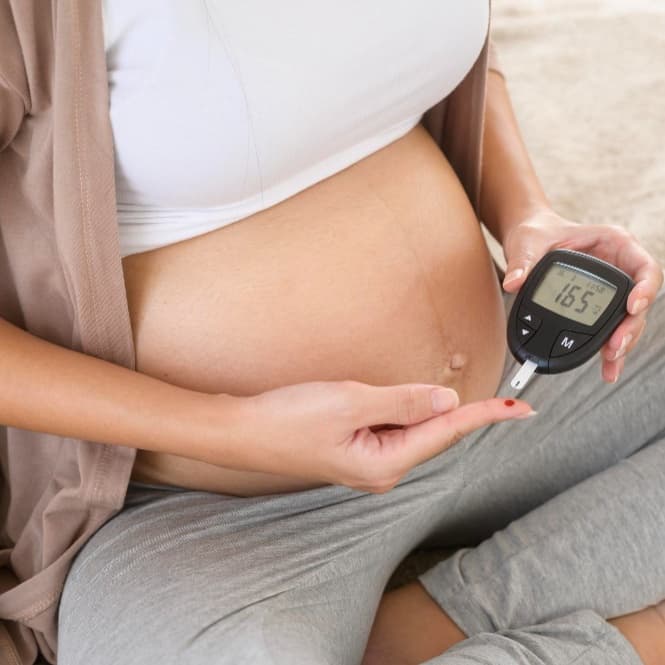
Gestational diabetes is a type of diabetes that develops during pregnancy, usually in the second or third trimester. It occurs when the body cannot produce enough insulin to handle the increased blood sugar levels caused by pregnancy hormones.
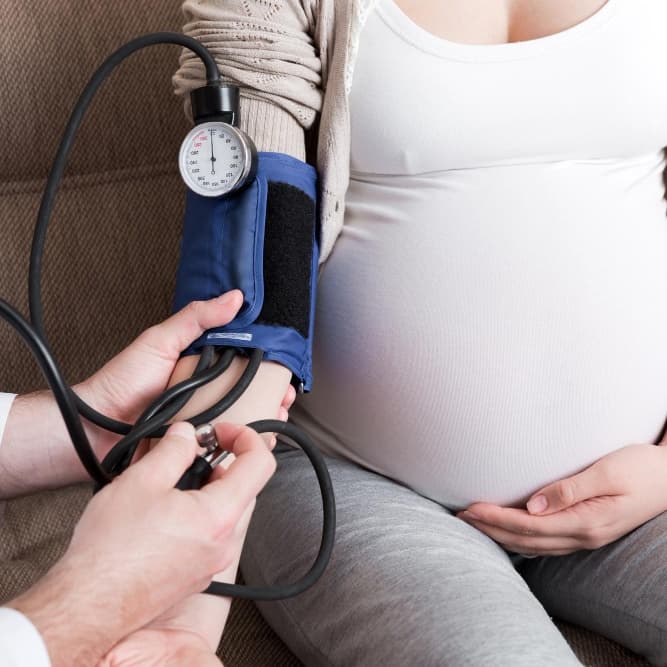
Gestational hypertension is a pregnancy-related condition characterized by high blood pressure that develops after 20 weeks of gestation in women who previously had normal blood pressure.
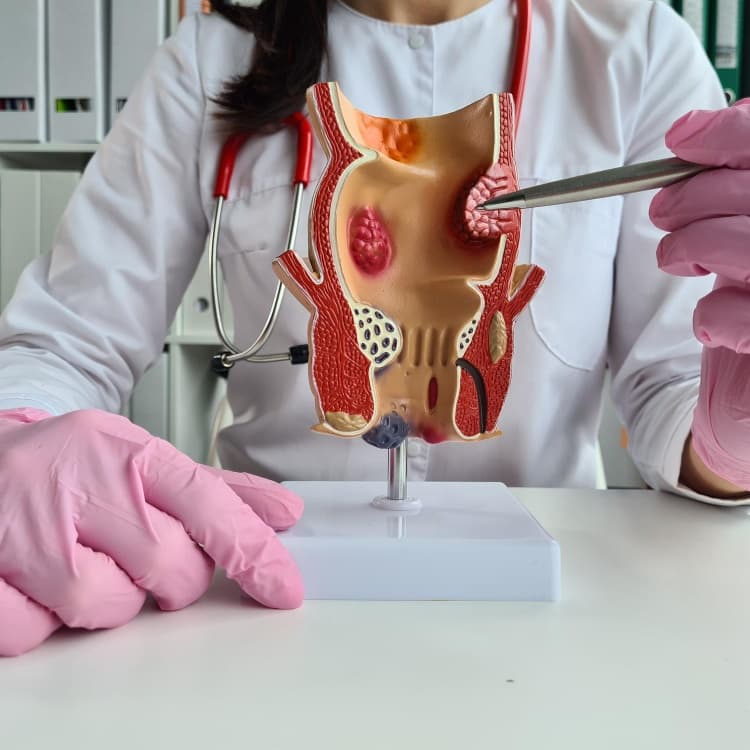
Postpartum piles, also known as hemorrhoids, are swollen and inflamed veins in the rectal or anal area that commonly occur after childbirth. They may develop due to the intense pressure during labor, straining during delivery, or constipation in the postpartum period.
Important highlights and key medical insights about this condition.
Pregnancy lasts about 40 weeks, divided into three trimesters.
The postpartum period begins immediately after childbirth and lasts around six weeks.
Both stages involve hormonal, physical, and emotional changes.
Regular prenatal and postnatal care is essential for mother and baby.
Postpartum depression affects 1 in 7 women, requiring timely support.
Family and social support play a vital role in recovery and well-being.
Learn more about this speciality and how our experts help you achieve better health outcomes.
Pregnancy and postpartum affect women of reproductive age who conceive and give birth. However, the impact extends to families and caregivers, as they play a role in supporting the mother’s physical and emotional well-being. Women with pre-existing medical conditions, high-risk pregnancies, or limited access to healthcare may face greater challenges during these stages. Postpartum changes can also affect mental health, making support systems essential.
Medical consultation is necessary throughout pregnancy for regular prenatal check-ups to monitor fetal growth and maternal health. After delivery, women should see a doctor if they experience heavy bleeding, severe pain, fever, signs of infection, depression, or difficulty breastfeeding. Postpartum depression, anxiety, or prolonged sadness should never be ignored, and professional help is crucial. Routine follow-ups ensure safe recovery and early detection of complications.
Connect with experienced doctors who specialize in treating this condition and receive professional medical guidance.

Qualifications: BHMS , BHS(Public Health ,Canada)

Qualifications: BHMS
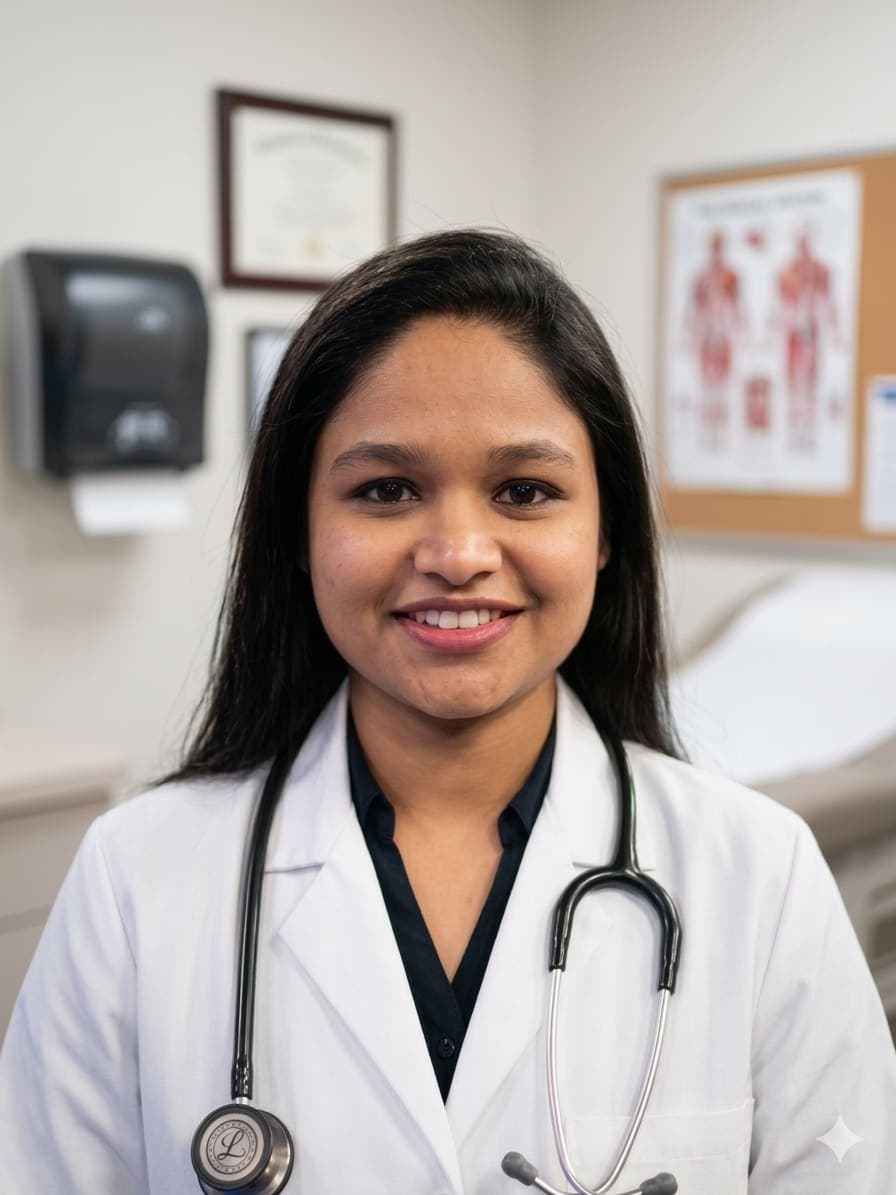
Qualifications: BHMS (Homeo), MSc Psychology, PG Diploma in Guidance & Counselling, Diploma in Nutrition and Health Education, Bachelor of Health Science Public Health (Canada), Certified Public Health Inspector of Canada.