Loading...
Loading...
Loading...
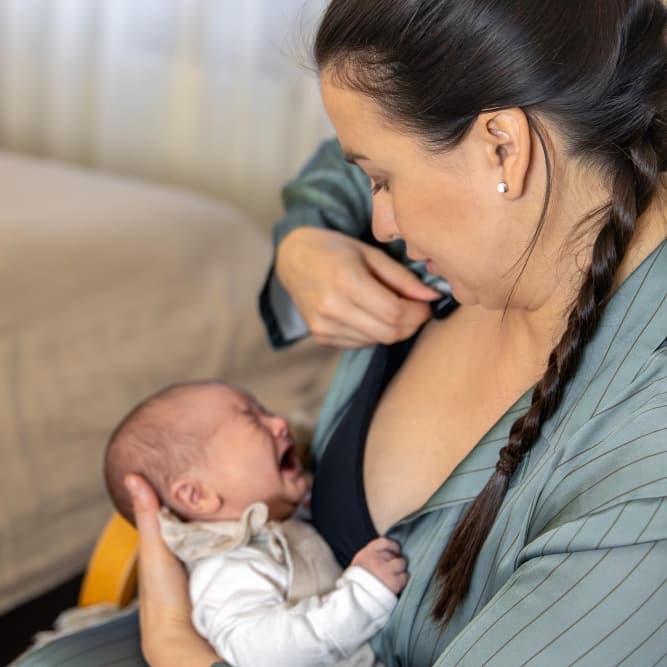
Postpartum mastitis is an infection and inflammation of breast tissue that occurs after childbirth, usually during breastfeeding. It is often caused by bacteria entering the breast through cracked or sore nipples, leading to pain, swelling, redness, and sometimes fever.
Mastitis is essentially a breast infection that develops when milk ducts become blocked or bacteria invade breast tissue. It is most common in breastfeeding mothers, particularly in the early weeks postpartum. The condition can cause localized pain, warmth, and swelling in the breast, and may be accompanied by flu-like symptoms. If untreated, mastitis can progress to a breast abscess, requiring more intensive medical care.
Homeopathy aims to treat postpartum mastitis by stimulating the body's natural healing mechanisms to reduce inflammation, pain, and infection, often using individualized remedies based on specific symptoms. While some homeopathic remedies have shown potential in reducing pain and supporting recovery in cases of breast engorgement and early-stage mastitis
Important highlights and key medical insights about this condition.
Mastitis is an infection of breast tissue that occurs after childbirth.
It is commonly caused by blocked milk ducts or bacterial entry through cracked nipples.
Symptoms include breast pain, swelling, redness, and fever.
Breastfeeding mothers are most commonly affected, especially in the early postpartum weeks.
Untreated mastitis can lead to breast abscesses requiring surgical drainage.
Treatment usually involves antibiotics, pain relief, and continued breastfeeding or pumping.
Learn more about this speciality and how our experts help you achieve better health outcomes.
Postpartum mastitis primarily affects breastfeeding women, especially those who experience nipple damage, poor latching, or incomplete breast emptying. Women under stress, fatigued, or with weakened immunity are more susceptible. While rare, mastitis can also occur in non-breastfeeding women, though the postpartum period is the most common time for its occurrence.
Medical consultation is necessary if a breastfeeding mother develops persistent breast pain, swelling, redness, fever, or flu-like symptoms. Immediate care is required if symptoms worsen or do not improve within 24–48 hours, as untreated mastitis can lead to abscess formation. Professional guidance ensures safe treatment, often involving antibiotics, pain relief, and breastfeeding support.
Connect with experienced doctors who specialize in treating this condition and receive professional medical guidance.

Qualifications: BHMS

Qualifications: BHMS (Homeo), MSc Psychology, PG Diploma in Guidance & Counselling, Diploma in Nutrition and Health Education, Bachelor of Health Science Public Health (Canada), Certified Public Health Inspector of Canada.