Loading...
Loading...
Loading...
Rehabilitation counselling focuses on helping individuals recover from physical, psychological, or behavioral challenges that disrupt their daily lives. It provides guidance, emotional support, and practical strategies to rebuild independence, confidence, and well-being. Rehabilitation may involve recovery from illness, injury, addiction, or trauma, and counsellors often collaborate with medical professionals, families, and support networks.
A rehabilitation counsellor helps clients identify personal goals, overcome barriers, and develop coping strategies. They provide emotional support, coordinate resources, and guide individuals toward independence and self-sufficiency.
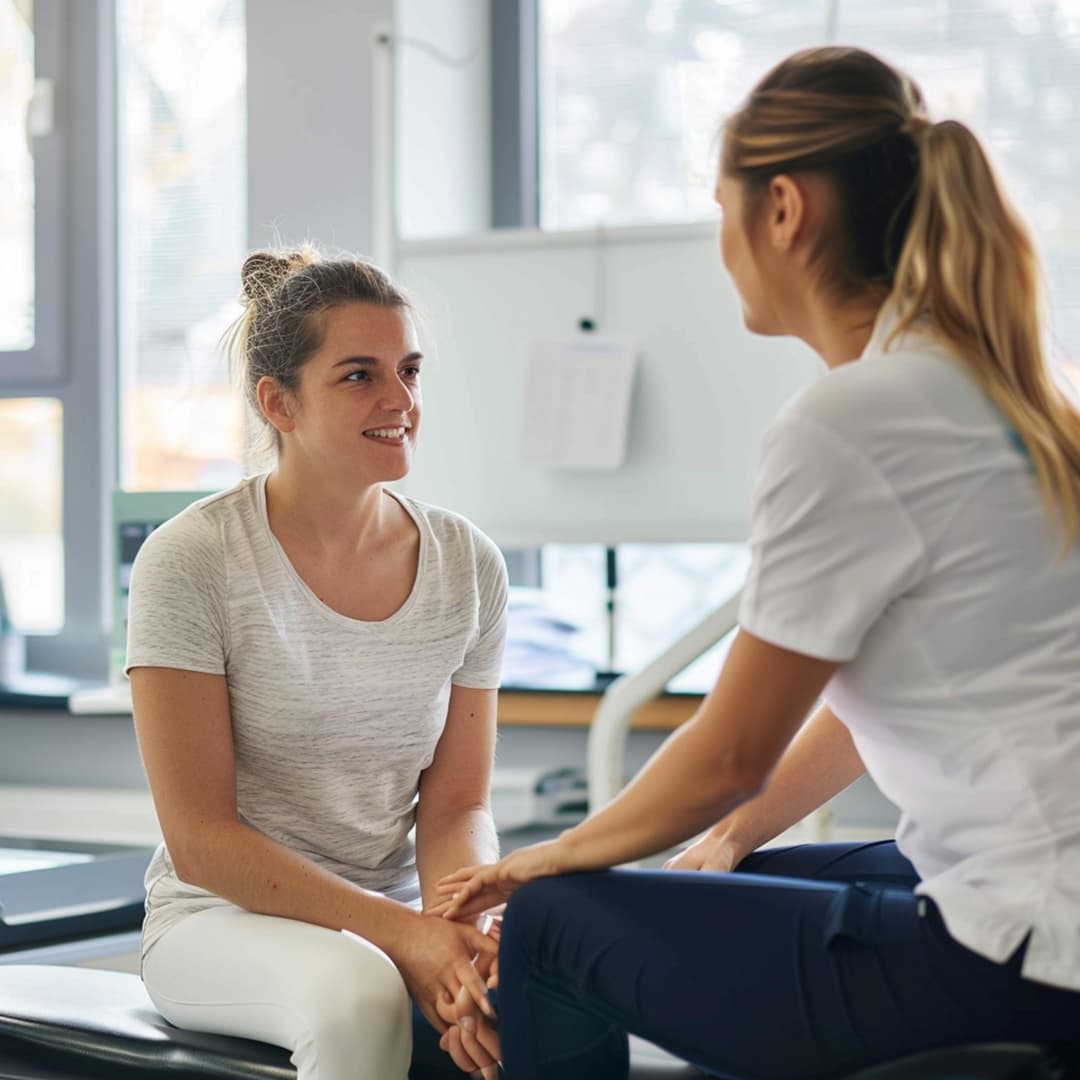
Anyone facing challenges due to illness, injury, disability, or addiction can benefit. It supports people adjusting to new circumstances, rebuilding confidence, and learning skills to manage daily life effectively.
Explore specific conditions and related treatments.
Post-traumatic rehabilitation counselling focuses on helping individuals recover emotionally and psychologically after experiencing a traumatic event such as accidents, natural disasters, violence, or sudden loss. Trauma can leave lasting effects including anxiety, flashbacks, depression, or difficulty reintegrating into daily life. Counselling provides a safe and supportive environment to process these experiences, reduce distress, and rebuild resilience. Effective therapies often include trauma-focused Cognitive Behavioral Therapy (CBT), mindfulness practices, relaxation techniques, and gradual exposure to triggers.
Rehabilitation counselling doesn’t end when recovery begins; relapse prevention and post-recovery support are crucial for long-term success. Relapse can occur when individuals face stress, triggers, or lack of ongoing support. Counselling provides structured strategies to identify high-risk situations, strengthen coping skills, and build resilience. Post-recovery support focuses on maintaining healthy routines, fostering positive relationships, and encouraging accountability.
Chronic homesickness is a persistent emotional struggle where individuals feel intense longing for their home, family, or familiar surroundings, often when living away for studies, work, or relocation. Unlike temporary homesickness, chronic homesickness can affect mental health, social adjustment, and daily functioning. Counselling provides a safe space to explore these feelings, validate emotions, and develop coping strategies. Effective approaches include Cognitive Behavioral Therapy (CBT), mindfulness, and gradual exposure to new environments.
Recovery from abuse and violence is a deeply personal and challenging journey. Survivors often face emotional trauma, trust issues, and difficulties in rebuilding their sense of safety and self-worth. Counselling provides a compassionate and supportive environment to process these experiences, validate emotions, and develop coping strategies. Effective therapies may include trauma-focused Cognitive Behavioral Therapy (CBT), mindfulness practices, and empowerment-based approaches. Post-recovery support focuses on rebuilding confidence, fostering healthy relationships, and creating a safe environment for healing.
Accident trauma recovery counselling focuses on helping individuals heal emotionally and psychologically after experiencing a serious accident. Beyond physical injuries, survivors often struggle with anxiety, flashbacks, fear of recurrence, or difficulty regaining confidence in daily life. Counselling provides a safe space to process trauma, manage stress, and rebuild resilience. Effective therapies may include trauma-focused Cognitive Behavioral Therapy (CBT), relaxation techniques, and gradual exposure to activities that may trigger fear.
Smoking cessation support counselling focuses on helping individuals quit smoking and maintain a tobacco-free lifestyle. Quitting smoking can be challenging due to nicotine dependence, withdrawal symptoms, and psychological triggers. Counselling provides structured guidance, emotional support, and practical strategies to overcome cravings and prevent relapse. Effective approaches include Cognitive Behavioral Therapy (CBT), motivational interviewing, stress management techniques, and lifestyle adjustments.
Drug abuse and substance dependence can deeply affect physical health, emotional well-being, and relationships. Recovery is not just about stopping use, it involves rebuilding life, restoring confidence, and learning healthier coping mechanisms. Counselling plays a vital role in this process by offering emotional support, relapse prevention strategies, and guidance for long-term recovery. Effective therapies include Cognitive Behavioral Therapy (CBT), motivational interviewing, group therapy, and family counselling.
Alcohol de-addiction counselling focuses on supporting individuals who want to overcome dependence on alcohol and rebuild healthier lifestyles. Addiction often impacts physical health, emotional well-being, relationships, and work life. Counselling provides a safe, non-judgmental space to explore the root causes of drinking, manage withdrawal challenges, and develop coping strategies. Effective therapies include Cognitive Behavioral Therapy (CBT), motivational interviewing, group therapy, and family counselling. Post-recovery support emphasizes relapse prevention, accountability, and lifestyle changes that sustain sobriety.
Learn more about this speciality and how our experts help you achieve better health outcomes.
While general therapy focuses on emotional and psychological well-being, rehabilitation counselling emphasizes recovery and reintegration. It often combines emotional support with practical strategies for education, employment, and social participation.
Yes. Family members play a crucial role in providing emotional support and encouragement. Counsellors often involve families to strengthen communication, reduce stress, and create a supportive environment for recovery.
Connect with experienced doctors who specialize in treating this condition and receive professional medical guidance.
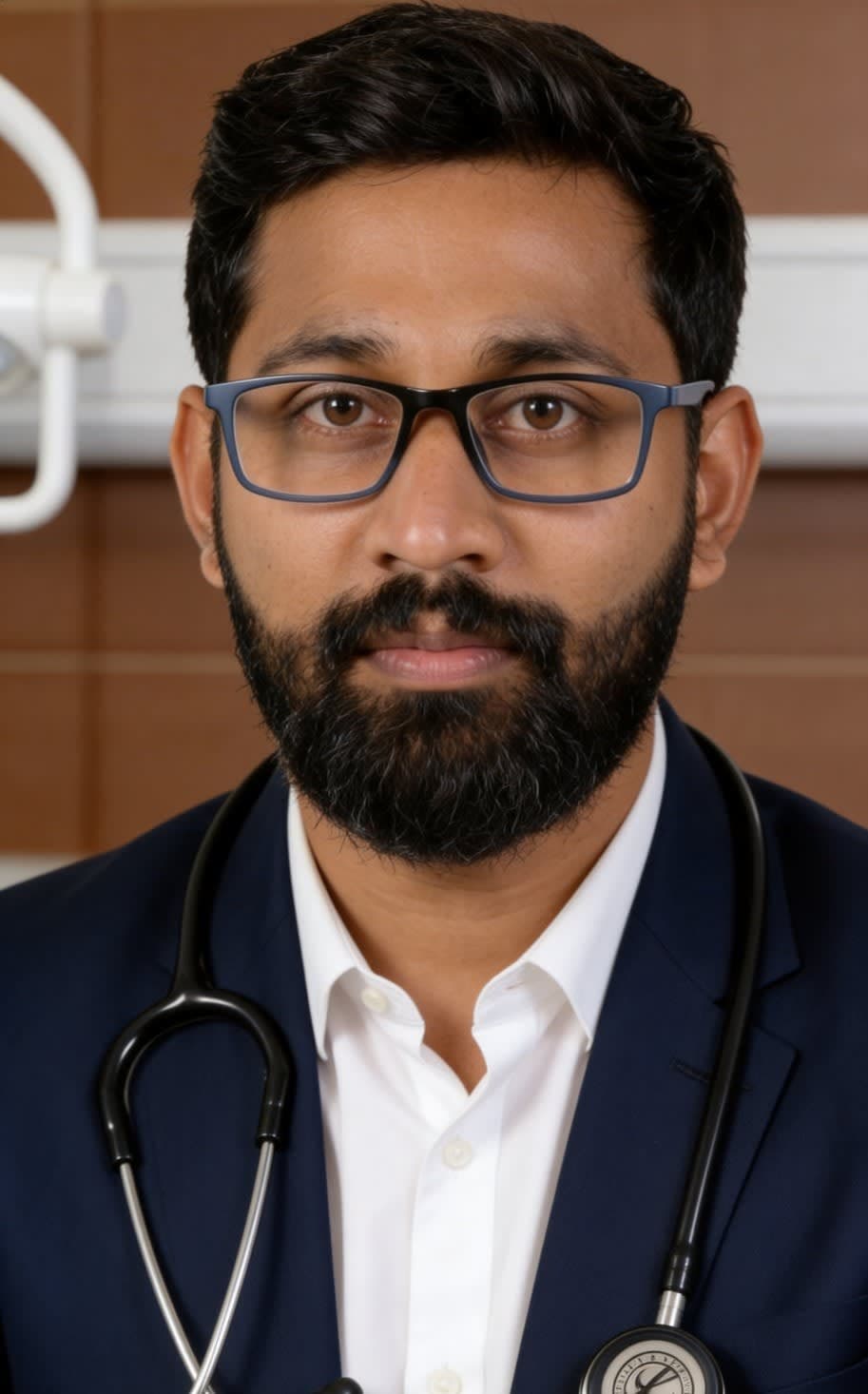
Qualifications: BHMS.(FMHMC), MSc Psychology and Counselling, PG Diploma in Guidance and Counselling, Diploma Interactive Drawing Therapy (IDT), Cognitive Behavioural Therapy (CBT), De‑addiction Training (NIMHANS).

Qualifications: MA Psychology (Pursuing), Advanced Diploma in Counseling Psychology, Auxiliary Nurse & Midwife, Diploma in Hospital Administration, Relaxation Therapy, Child Psychology.