Loading...
Loading...
Loading...
Recovery from abuse and violence is a deeply personal and challenging journey. Survivors often face emotional trauma, trust issues, and difficulties in rebuilding their sense of safety and self-worth. Counselling provides a compassionate and supportive environment to process these experiences, validate emotions, and develop coping strategies. Effective therapies may include trauma-focused Cognitive Behavioral Therapy (CBT), mindfulness practices, and empowerment-based approaches. Post-recovery support focuses on rebuilding confidence, fostering healthy relationships, and creating a safe environment for healing.
Counselling provides a safe space to process trauma, reduce anxiety, and rebuild self-esteem. It equips survivors with coping strategies and supports them in regaining a sense of control.

Trauma-focused CBT, mindfulness, and empowerment-based counselling are commonly used. These therapies help survivors challenge negative beliefs, manage emotional triggers, and strengthen resilience.
Learn more about this speciality and how our experts help you achieve better health outcomes.
Post-recovery support helps survivors maintain progress, build healthy relationships, and prevent retraumatization. It focuses on long-term healing and personal empowerment.
Yes. Online counselling offers accessible, confidential support, allowing survivors to connect with professionals in a safe environment. It provides ongoing guidance and tools for healing at their own pace.
Connect with experienced doctors who specialize in treating this condition and receive professional medical guidance.
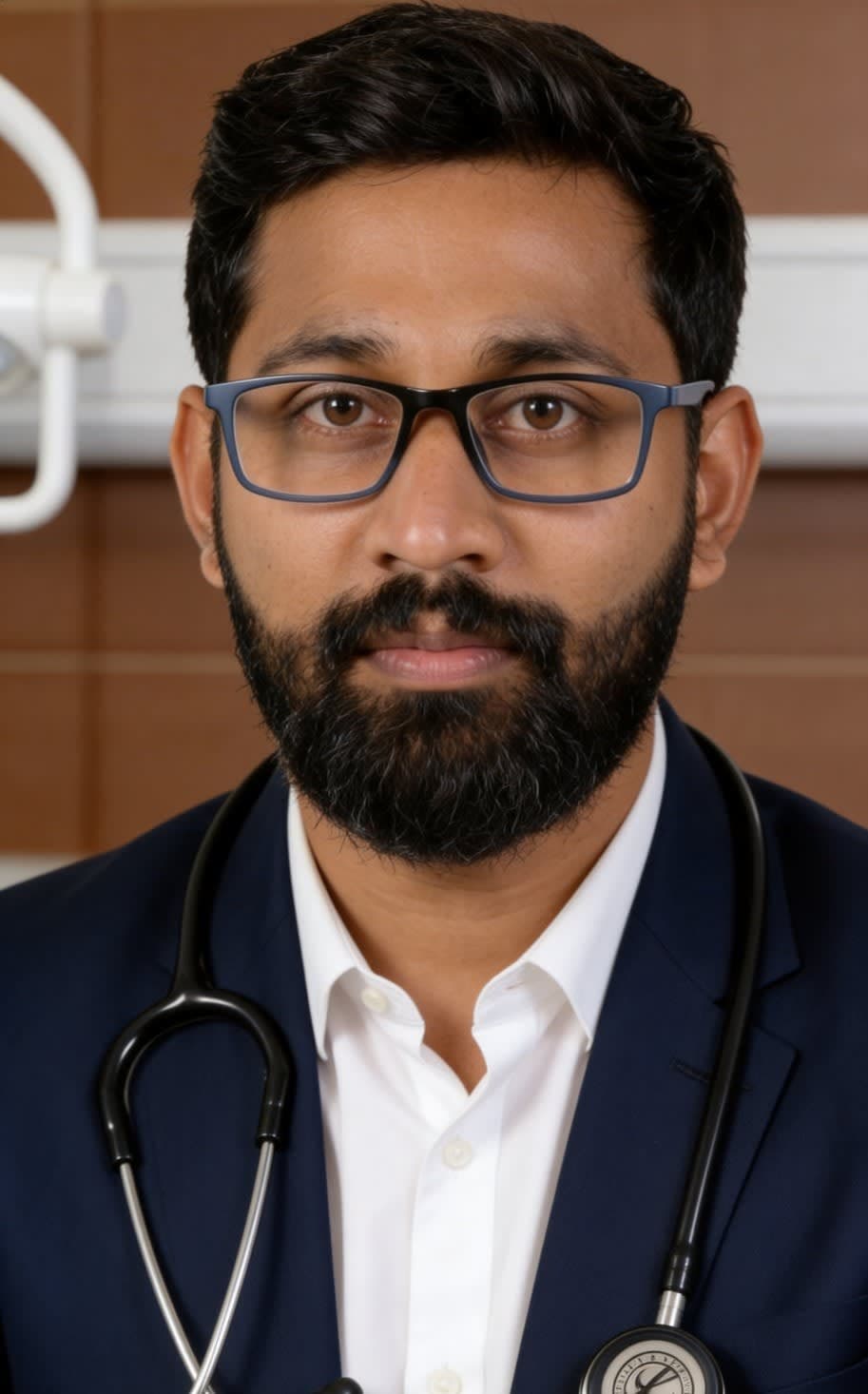
Qualifications: BHMS.(FMHMC), MSc Psychology and Counselling, PG Diploma in Guidance and Counselling, Diploma Interactive Drawing Therapy (IDT), Cognitive Behavioural Therapy (CBT), De‑addiction Training (NIMHANS).