Loading...
Loading...
Loading...
Counselling for phobias helps individuals overcome intense, irrational fears that interfere with daily life. Effective therapies often include cognitive-behavioral therapy (CBT), exposure therapy, and relaxation techniques, all designed to reduce anxiety and reframe negative thought patterns. Online counselling has made treatment more accessible, offering confidential support from the comfort of home.
Cognitive-behavioral therapy (CBT) and exposure therapy are considered the most effective. CBT helps individuals challenge irrational thoughts, while exposure therapy gradually desensitizes them to the feared object or situation in a safe, controlled way.
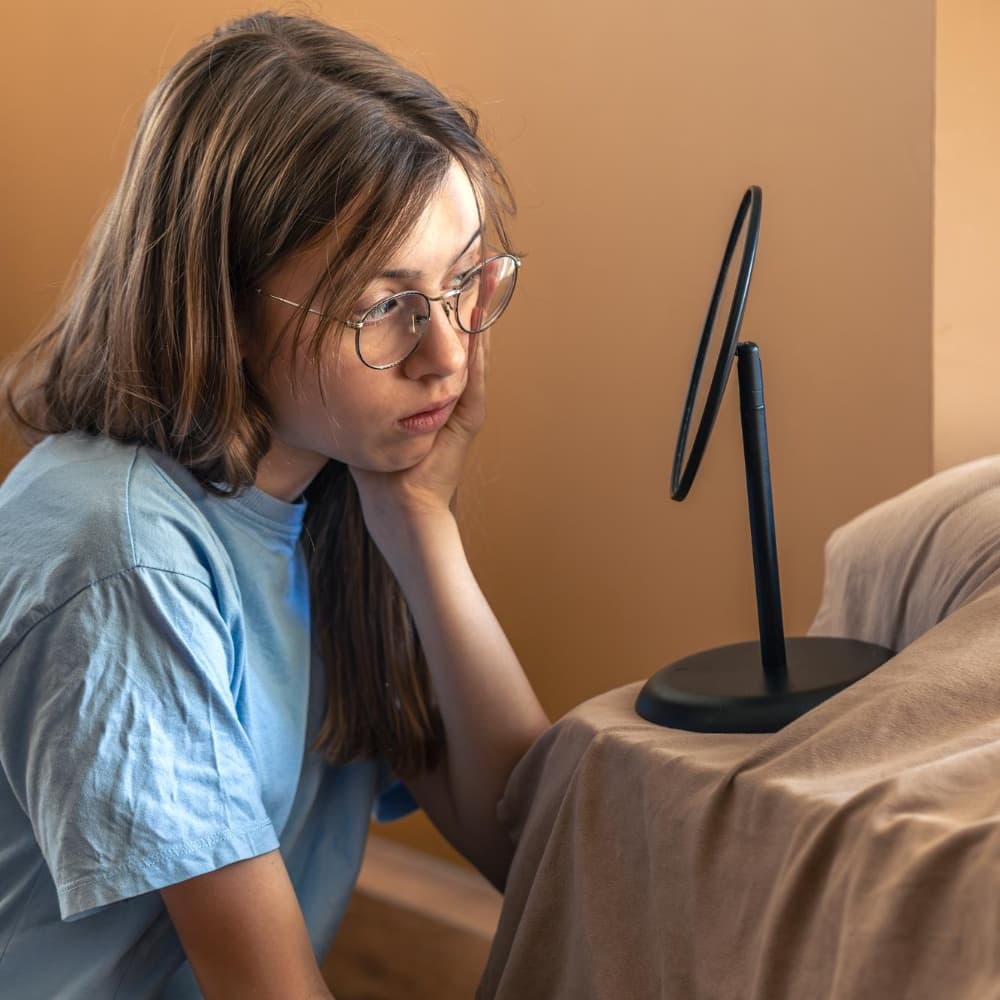
Online counselling uses video calls, chat, or phone sessions to connect clients with trained therapists. It provides the same therapeutic techniques as in-person sessions, with added convenience and accessibility, especially for those who feel anxious about leaving home.
Explore specific conditions and related treatments.
School phobia is a condition where children experience overwhelming fear or anxiety about attending school, often leading to refusal or avoidance. This fear may stem from academic pressure, bullying, separation anxiety, or social challenges. Counselling provides a safe space for children and parents to explore the root causes, develop coping strategies, and gradually reduce avoidance. Effective therapies include Cognitive Behavioral Therapy (CBT), relaxation techniques, and family counselling. Online counselling offers accessible support, helping children and parents practice strategies in real-time and build confidence in managing school-related fears.
Thanatophobia, or the fear of death, is a phobia characterized by constant and overwhelming anxiety about dying or the process of death. This fear can interfere with daily life, relationships, and emotional well-being. Counselling provides a safe space to explore these fears, understand their roots, and develop coping strategies. Effective therapies often include Cognitive Behavioral Therapy (CBT), mindfulness practices, and relaxation techniques to reduce catastrophic thinking and anxiety.
Nosophobia is an anxiety disorder characterized by an extreme and persistent fear of catching a disease. Individuals with this phobia often misinterpret minor bodily sensations as signs of serious illness, leading to constant worry, avoidance of certain environments, or excessive health-related behaviors. Counselling provides a safe space to explore these fears, challenge catastrophic thinking, and develop healthier coping strategies. Effective therapies include Cognitive Behavioral Therapy (CBT), mindfulness practices, and relaxation techniques to reduce health-related anxiety.
Claustrophobia is a phobia characterized by an intense fear of enclosed or small spaces, such as elevators, tunnels, or crowded rooms. This fear can trigger panic attacks, avoidance behaviors, and significant disruption in daily life. Counselling provides a safe environment to explore these fears, understand their roots, and gradually reduce avoidance. Effective therapies include Cognitive Behavioral Therapy (CBT), exposure therapy, and relaxation techniques to help individuals manage anxiety in confined spaces.
Agoraphobia is a phobia characterized by an intense fear of open or crowded spaces, or situations where escape might feel difficult. Many individuals with agoraphobia avoid leaving home, fearing panic attacks or overwhelming anxiety in public places. This avoidance can severely impact daily life, independence, and relationships. Counselling provides a safe environment to explore these fears, understand their roots, and gradually reduce avoidance. Effective therapies include Cognitive Behavioral Therapy (CBT), exposure therapy, and relaxation techniques to help individuals regain confidence.
Specific phobias are intense, irrational fears of particular objects or situations, such as animals, heights, blood, or flying. These fears can trigger strong anxiety or panic attacks and often lead to avoidance behaviors that interfere with daily life. Counselling provides a safe space to explore these fears, understand their origins, and gradually reduce avoidance. Effective therapies include Cognitive Behavioral Therapy (CBT), exposure therapy, and relaxation techniques to help individuals manage anxiety.
Social phobia, also known as social anxiety disorder, is an intense fear of being judged, embarrassed, or humiliated in social situations. This fear can lead to avoidance of public speaking, social gatherings, or even everyday interactions, significantly impacting personal and professional life. Counselling provides a safe space to explore these fears, challenge negative thought patterns, and build confidence through gradual exposure and skill-building. Effective therapies include Cognitive Behavioral Therapy (CBT), social skills training, and relaxation techniques.
Learn more about this speciality and how our experts help you achieve better health outcomes.
Yes, many people experience significant improvement or complete recovery. While progress varies, consistent counselling can reduce symptoms, increase confidence, and help individuals regain control over their lives.
Research shows that online counselling can be just as effective as traditional therapy for treating phobias, provided the client is committed and the therapist uses evidence-based approaches. The key is regular participation and open communication.
Connect with experienced doctors who specialize in treating this condition and receive professional medical guidance.

Qualifications: BHMS.(FMHMC), MSc Psychology and Counselling, PG Diploma in Guidance and Counselling, Diploma Interactive Drawing Therapy (IDT), Cognitive Behavioural Therapy (CBT), De‑addiction Training (NIMHANS).

Qualifications: MA Psychology (Pursuing), Advanced Diploma in Counseling Psychology, Auxiliary Nurse & Midwife, Diploma in Hospital Administration, Relaxation Therapy, Child Psychology.