Loading...
Loading...
Loading...
Counselling for parent-child relationships focuses on strengthening communication, trust, and emotional bonds between parents and their children. It helps families navigate challenges such as generational differences, discipline, academic stress, or behavioral issues. Counsellors provide a safe space for both parents and children to express themselves, resolve conflicts, and learn healthier interaction patterns.
It helps families address misunderstandings, reduce conflicts, and build stronger emotional connections. Counselling ensures that both parents and children feel heard and supported, leading to healthier family dynamics.

It can address communication gaps, discipline struggles, academic pressure, sibling rivalry, behavioral concerns, and emotional distance. Counsellors guide families in finding constructive solutions tailored to their unique situation.
Explore specific conditions and related treatments.

Counselling on better parenting focuses on equipping parents with practical strategies and positive guidance to strengthen their relationship with their children. Parenting can be challenging, especially when balancing discipline, emotional support, and fostering independence. Counselling provides tools to improve communication, set healthy boundaries, and encourage positive behavior through empathy and consistency.

Counselling in the area of parent-child bonding focuses on nurturing trust, communication, and emotional closeness between parents and their children. A strong bond provides children with a sense of security, boosts their confidence, and helps them develop resilience. Parents sometimes struggle with balancing discipline, affection, and guidance, which can affect the relationship. Counselling offers practical strategies such as active listening, empathy, shared activities, and positive reinforcement to strengthen the connection.

Counselling in the area of child, family, and relatives focuses on strengthening the emotional bonds within the household and extended family. Children thrive in environments where they feel secure, respected, and supported. However, conflicts, communication gaps, or differing expectations among family members can affect home life. Counselling provides practical strategies for improving communication, resolving conflicts, and fostering mutual respect.

Counselling on digital wellness within parent-child relationships focuses on helping families establish healthy boundaries around mobile and screen use. Excessive screen time can affect sleep, concentration, social interactions, and emotional well-being, while conflicts over device use may strain parent-child dynamics. Counselling provides guidance on setting balanced routines, fostering open communication, and encouraging offline activities.
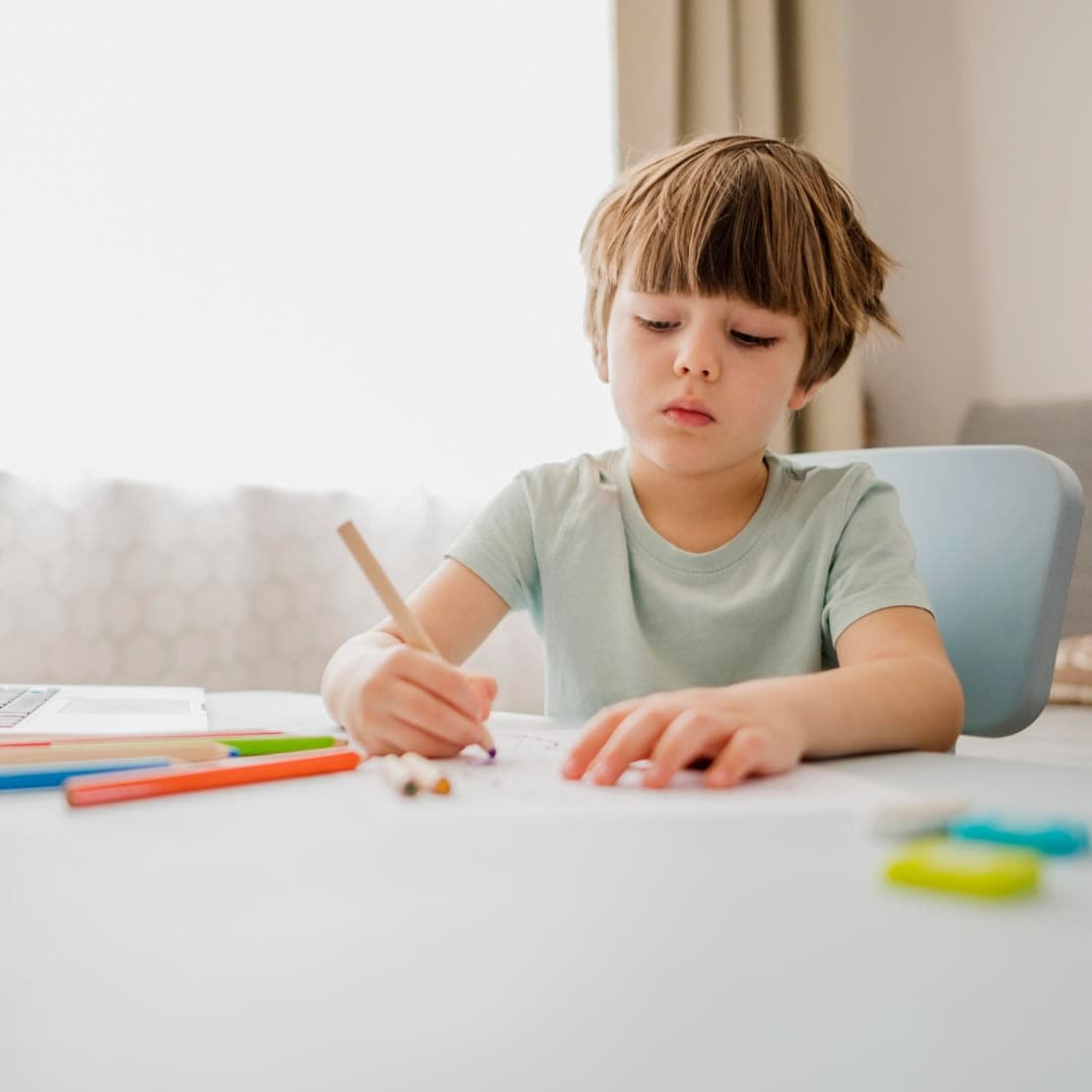
Counselling in the context of children and school focuses on helping parents and children navigate academic responsibilities, relationships with teachers, and social interactions with peers. School life can bring challenges such as study pressure, conflicts with friends, or difficulties in communicating with teachers. Counselling provides practical strategies to balance studies, foster positive teacher-student relationships, and encourage healthy friendships.

Counselling in the area of child and society focuses on helping children develop healthy social skills, build confidence in group settings, and learn how to interact positively with peers and community members. Many children struggle with shyness, fear of rejection, or difficulty understanding social cues, which can affect their ability to mingle and form friendships. Counselling provides practical guidance on communication, empathy, and conflict resolution, while also supporting parents in encouraging social growth.
Learn more about this speciality and how our experts help you achieve better health outcomes.
Yes. Counselling provides tools for parents to understand teenage perspectives and for teens to appreciate parental concerns. It bridges the gap by promoting empathy, respect, and healthier communication.
Not at all. Counselling can also be preventive, helping families strengthen bonds before issues escalate. It supports everyday parenting challenges and encourages positive growth for both parents and children.
Connect with experienced doctors who specialize in treating this condition and receive professional medical guidance.

Qualifications: BHMS.(FMHMC), MSc Psychology and Counselling, PG Diploma in Guidance and Counselling, Diploma Interactive Drawing Therapy (IDT), Cognitive Behavioural Therapy (CBT), De‑addiction Training (NIMHANS).

Qualifications: MA Psychology (Pursuing), Advanced Diploma in Counseling Psychology, Auxiliary Nurse & Midwife, Diploma in Hospital Administration, Relaxation Therapy, Child Psychology.