Loading...
Loading...
Loading...
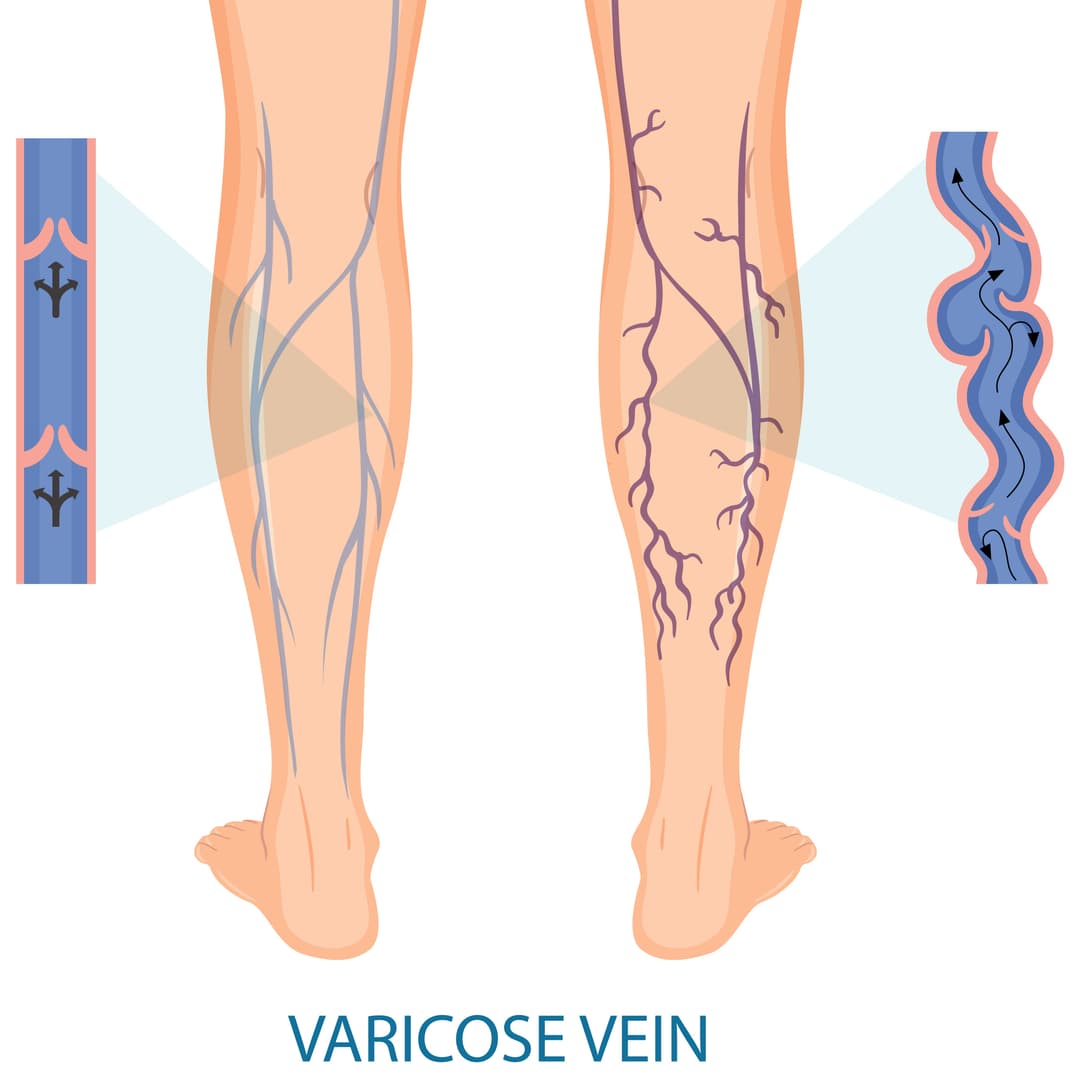
Varicose veins are swollen, twisted, and enlarged veins, usually deep purple or blue, that appear just under the skin in the legs, ankles, or feet.
Varicose (Spider) Veins: Causes, Symptoms, and TreatmentsVaricose veins are swollen, twisted, and enlarged veins that usually appear just under the skin in the legs and feet, caused by weakened valves that allow blood to pool. They are often blue or purple, painful, or itchy, and typically result from standing for long periods, aging, or pregnancy.
Homeopathy helps in the management of varicose veins by focusing on the holistic treatment of symptoms and aiming to improve venous circulation, strengthen vein walls, and provide symptomatic relief. It does so using highly diluted, natural substances.
Recognizing early symptoms can help identify health issues sooner and ensure timely medical care.
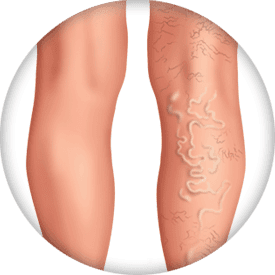
Swollen, bulging, twisted, or cord-like veins that are purple or blue, commonly appearing on the legs.
A deep aching, heaviness, or tired sensation, particularly after sitting or standing for long periods.
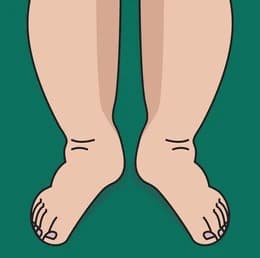
Swelling: Swelling in the lower legs, ankles, and feet.
Important highlights and key medical insights about this condition.
Appearance: They are usually blue or purple, bulging, and twisted, appearing just under the skin surface.
Occupational Hazard: People who stand or sit for long periods—such as teachers, nurses, and office workers—are at higher risk.
Not Just Cosmetic: If untreated, they can cause serious issues, including swelling, skin discoloration, chronic fatigue, and painful venous ulcers.
Symptoms: Beyond cosmetic issues, they cause aching, heaviness, muscle cramps, and itchy skin around the vein.
Learn more about this speciality and how our experts help you achieve better health outcomes.
Varicose veins are most common in women, older adults (over 50), and people with a family history of the condition. Key risk factors include pregnancy, obesity, and professions requiring long periods of standing or sitting, which increase pressure on leg veins.
See a doctor for varicose veins if they cause persistent pain, swelling, heaviness, or skin changes like itching, hardening, or discolouration.
Connect with experienced doctors who specialize in treating this condition and receive professional medical guidance.
Qualifications: BHMS , BHS(Public Health ,Canada)
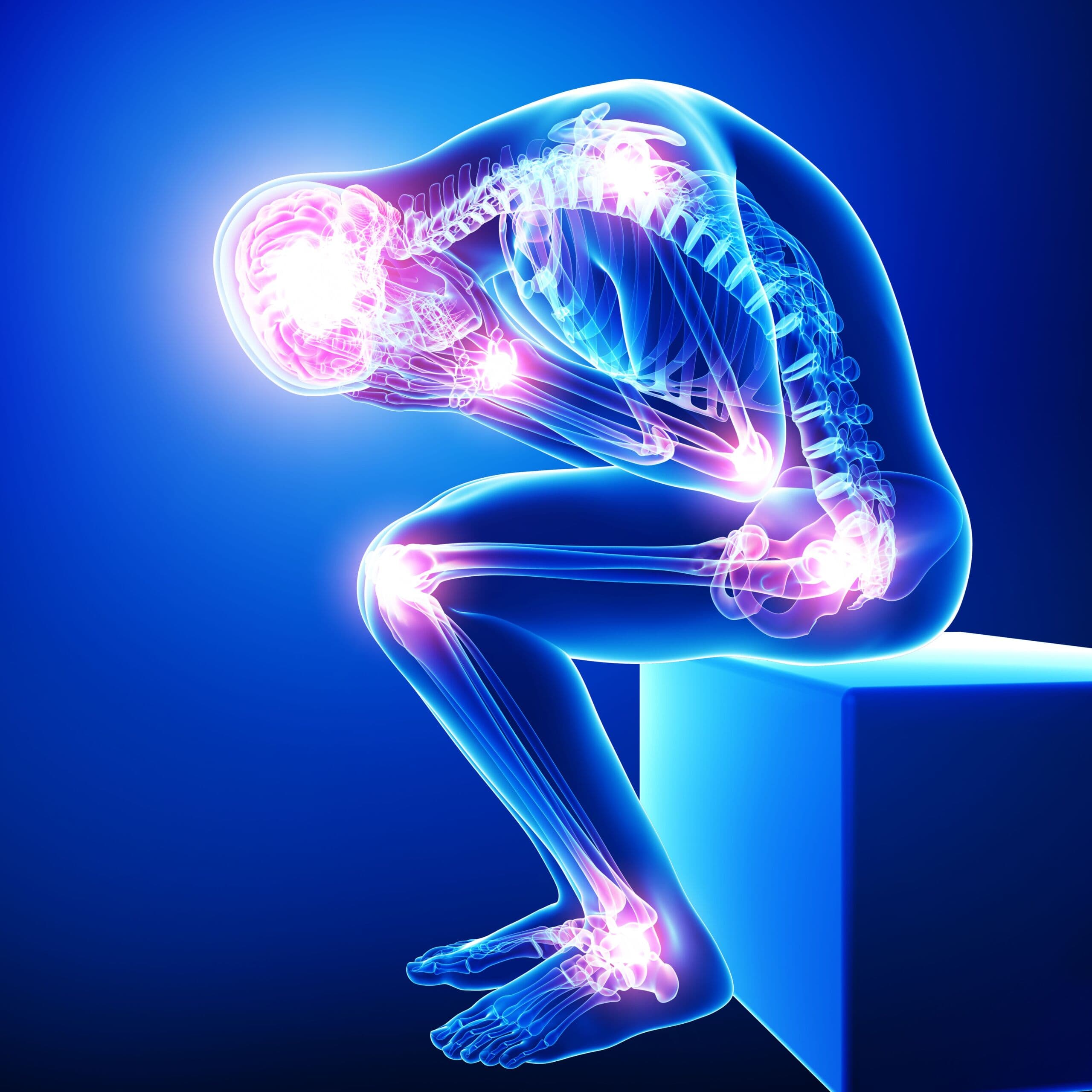
Pain and Discomfort: Throbbing, burning, or muscle cramps, often more pronounced at night.
Dry, itchy, or discolored skin around the affected vein.
Understanding the underlying causes helps doctors diagnose conditions accurately and choose the most effective treatment.
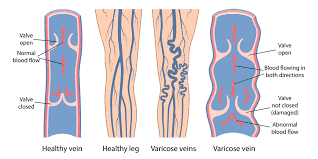
Veins contain one-way valves designed to stop blood from flowing backward. When these valves become weak or damaged, blood pools in the legs, leading to increased pressure and dilation of the vein.
Caused by increased blood volume and hormone changes.
Prolonged Standing or Sitting: Lack of movement reduces the effectiveness of calf muscles in pumping blood upward.
Obesity/Excess Weight: Puts increased pressure on leg veins.
A family history of varicose veins significantly increases the risk.
Hormonal changes during puberty, menopause, or from birth control pills can weaken vein walls.

Previous leg injuries, deep vein thrombosis (DVT), and smoking, aging.
Certain lifestyle habits, health conditions, or environmental factors may increase the likelihood of developing this condition.
The most significant factor; having parents with vein issues greatly increases risk.
Vein valves wear down over time, particularly for those over 50.
Women are more likely to develop them, partly due to hormonal changes, such as those from pregnancy, menopause, or birth control pills.
Increased blood volume and uterine pressure on pelvic veins can lead to varicose veins.
Excessive weight puts pressure on veins and hinders proper circulation.
Prolonged Standing/Sitting: Jobs or habits requiring long periods of inactivity make it harder for blood to flow upward.
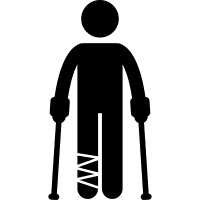
Previous injuries can damage vein valves.
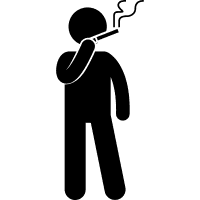
Tobacco use is associated with a higher likelihood of developing the condition
Causes & Risk Factors: Caused by poor circulation due to faulty valves, risks increase with age (over 50), pregnancy, obesity, and genetics.
They Can Return: Even after treatment, new varicose veins can form if underlying causes, like obesity or sedentary lifestyle, are not addressed.
Qualifications: BHMS.(FMHMC), MSc Psychology and Counselling, PG Diploma in Guidance and Counselling, Diploma Interactive Drawing Therapy (IDT), Cognitive Behavioural Therapy (CBT), De‑addiction Training (NIMHANS).
Qualifications: BHMS