Loading...
Loading...
Loading...
Involuntary leakage of urine resulting from loss of bladder control, ranging from occasional dribbles to sudden, severe gushes.
Urinary incontinence is the involuntary leakage of urine resulting from lost bladder control, ranging from occasional small leaks to sudden, uncontrollable urges. It is a common symptom of underlying issues (such as weak pelvic muscles, nerve damage, or infections) rather than just a natural part of aging. Common types include stress, urge, and overflow incontinence.
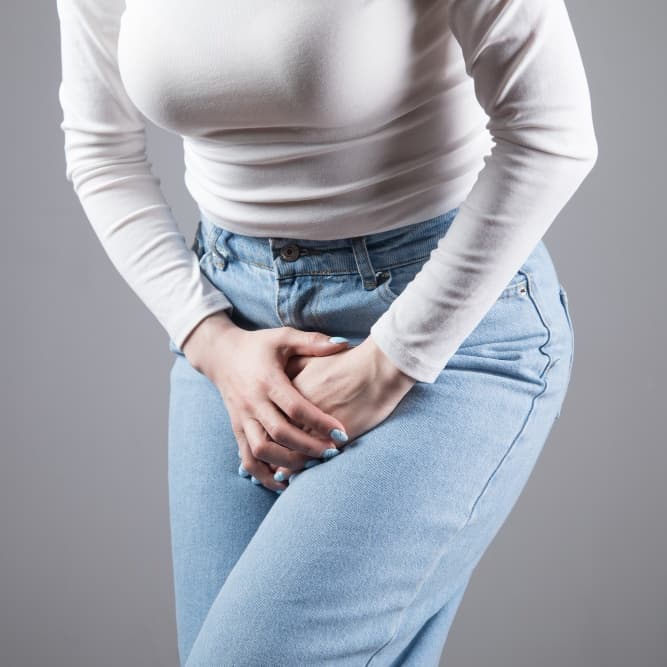
Homeopathy offers a holistic and individualized approach to treating urinary incontinence (leakage), aiming to address the root causes, such as weakened pelvic muscles, nerve sensitivity, hormonal changes, or emotional stress. It is considered a safe, non-toxic, and non-invasive option that can help improve bladder control and enhance quality of life.
Important highlights and key medical insights about this condition.
Stress Incontinence: Leakage when coughing, laughing, or exercising due to weakened pelvic muscles.
Urge Incontinence (Overactive Bladder): A sudden, intense urge to pee, often causing leakage before reaching the toilet.
Overflow Incontinence: Frequent, small leaks (dribbling) caused by a bladder that does not fully empty.
Functional Incontinence: Inability to reach the toilet in time due to physical or mental limitations (e.g., arthritis).
Mixed Incontinence: A combination of stress and urge, which is common.
Women: Pregnancy, childbirth, and menopause.
Learn more about this speciality and how our experts help you achieve better health outcomes.
Older adults (especially women over 50), those with obesity, individuals with nerve damage, and people with conditions like diabetes, stroke, or Parkinson’s.
If leakage is persistent, affects your daily quality of life, or causes embarrassment.
Connect with experienced doctors who specialize in treating this condition and receive professional medical guidance.
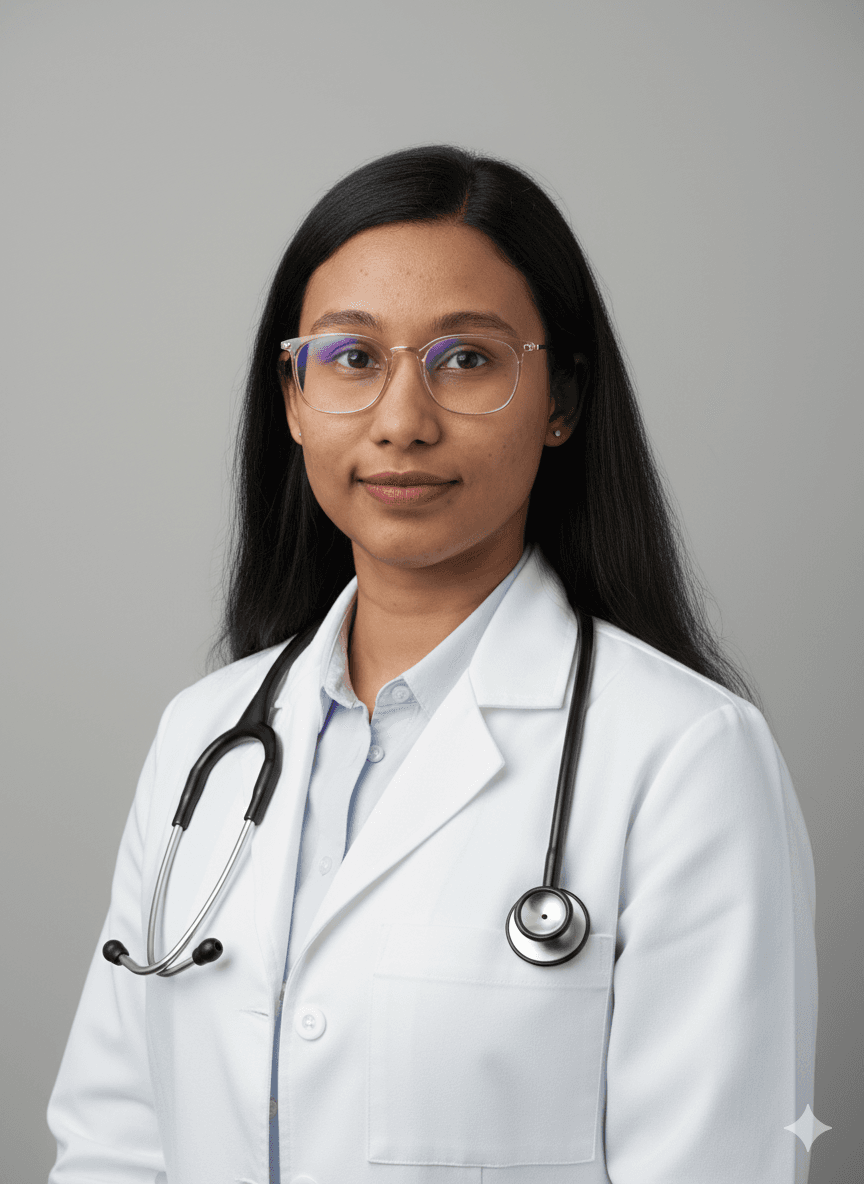
Qualifications: BHMS , BHS(Public Health ,Canada)
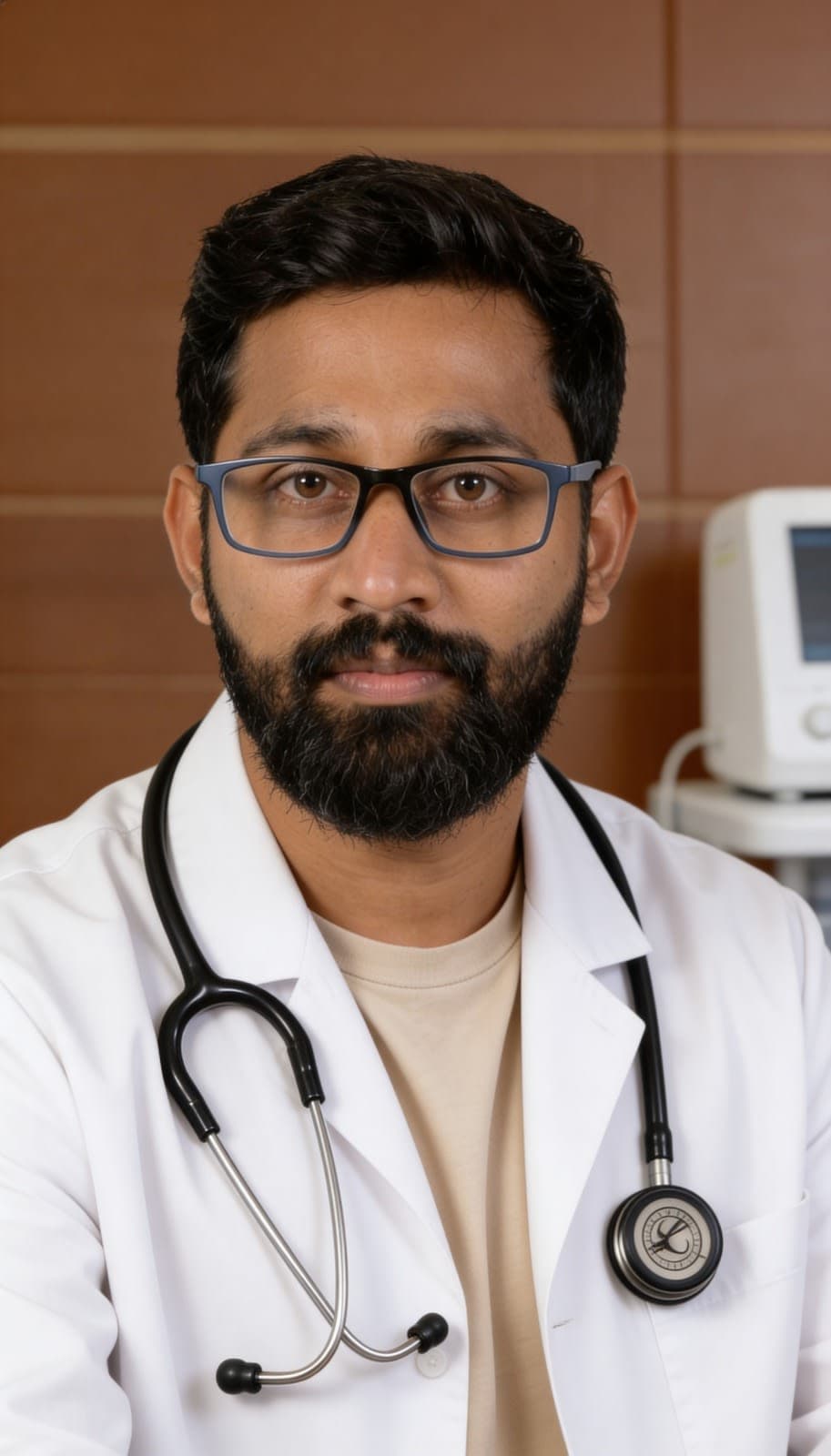
Qualifications: BHMS.(FMHMC), MSc Psychology and Counselling, PG Diploma in Guidance and Counselling, Diploma Interactive Drawing Therapy (IDT), Cognitive Behavioural Therapy (CBT), De‑addiction Training (NIMHANS).
Qualifications: BHMS