Loading...
Loading...
Loading...
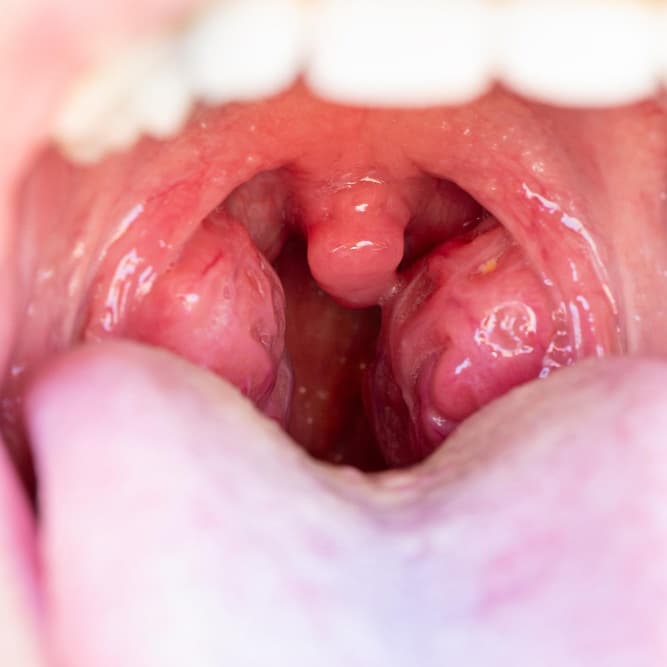
Tonsil stones (tonsilloliths) are small, hard white or yellow formations that develop in the crevices (crypts) of the tonsils.
Tonsil stones (tonsilloliths) are small, hard, white or yellow pebble-like lumps that form in the crevices (crypts) of the tonsils, composed of calcified food debris, bacteria, and dead cells. Generally harmless but often causing chronic bad breath, they are common in people with long-term tonsil inflammation.
Homeopathy helps in managing tonsil stones (tonsilloliths) by addressing the root cause—chronic tonsillitis, inflammation, and debris accumulation—rather than just removing the stones themselves. It works by reducing the size of the tonsillar crypts (grooves), strengthening the immune system, and decreasing the tendency for recurring infections that lead to stone formation.
Important highlights and key medical insights about this condition.
Appearance: Tiny, pebble-like white or yellow lumps.
Population: More common in teenagers or those with chronic tonsil issues.
At Home: Gargle with warm salt water, cough vigorously, or gently use a cotton swab or water flosser to dislodge them.
Oral Hygiene: Brush teeth and floss regularly, including brushing the tongue to remove bacteria.
Hydration: Drink plenty of water to prevent dry mouth.
Avoid Smoking: Smoking contributes to dry mouth and inflammation.
Learn more about this speciality and how our experts help you achieve better health outcomes.
Tonsil stones (tonsilloliths) mostly affect adolescents, young adults, and individuals with chronic tonsillitis, poor oral hygiene, or deeply creviced (cryptic) tonsils.
See a doctor for tonsil stones if they cause persistent sore throat, severe pain, difficulty swallowing or breathing, or if they recur frequently.
Connect with experienced doctors who specialize in treating this condition and receive professional medical guidance.

Qualifications: BHMS , BHS(Public Health ,Canada)

Qualifications: BHMS.(FMHMC), MSc Psychology and Counselling, PG Diploma in Guidance and Counselling, Diploma Interactive Drawing Therapy (IDT), Cognitive Behavioural Therapy (CBT), De‑addiction Training (NIMHANS).

Qualifications: BHMS