Loading...
Loading...
Loading...
Piles (haemorrhoids) are swollen, inflamed blood vessels in the rectum or anus, causing discomfort, itching, and bright red bleeding, often triggered by straining, constipation, or pregnancy.
Piles, also known as hemorrhoids, are swollen, inflamed blood vessels located inside the rectum (internal) or under the skin around the anus (external). They cause discomfort, itching, and bright red bleeding during bowel movements.
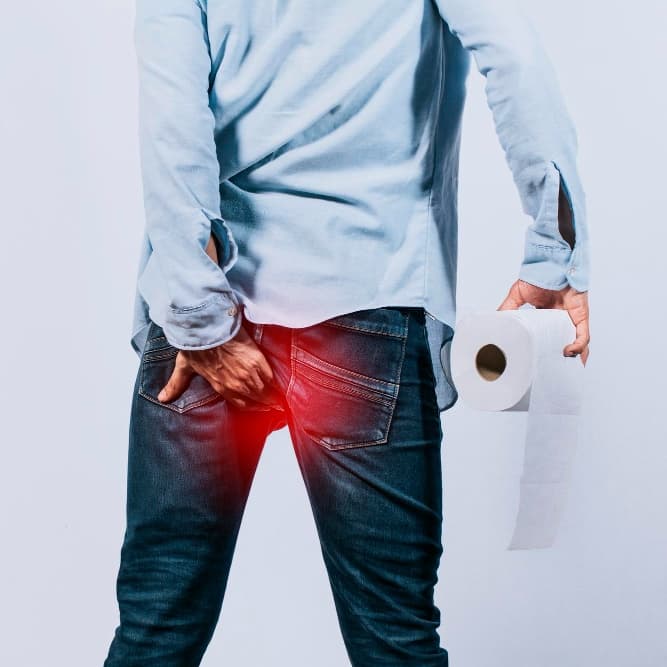
Homeopathy treats piles (haemorrhoids) by using individualized, natural remedies to reduce inflammation, alleviate pain, stop bleeding, and strengthen veins. It focuses on resolving the root causes—such as chronic constipation or digestive issues—to prevent recurrence and avoid surgery.
Recognizing early symptoms can help identify health issues sooner and ensure timely medical care.
Bright red blood typically seen on toilet tissue or dripping into the toilet after a bowel movement.
Itching/Irritation: Intense itching, irritation, or burning sensation in the anal region.
Sensitive, tender, or painful lumps or swelling around the anus.
Important highlights and key medical insights about this condition.
Types: Internal (inside the rectum, usually painless bleeding) and External (under the skin around the anus, often painful).
Causes: Increased pressure in the lower rectum, typically from straining at stool, chronic constipation/diarrhea, or pregnancy.
Symptoms: Bright red blood during bowel movements, anal itching, pain or discomfort, and, in some cases, Prolapsed Hemorrhoids (bulging outside the anus).
Prevention: High-fiber diets, drinking plenty of water, reducing straining.
Learn more about this speciality and how our experts help you achieve better health outcomes.
Most common in adults aged 45–65, pregnant individuals, and those with chronic constipation, low-fiber diets, or who lift heavy objects.
See a doctor for piles (haemorrhoids) if you experience persistent rectal bleeding, severe anal pain, or a hard lump near the anus. Seek immediate care if bleeding is heavy or accompanied by dizziness.
Connect with experienced doctors who specialize in treating this condition and receive professional medical guidance.
Qualifications: BHMS , BHS(Public Health ,Canada)
Pain/Discomfort: Pain, especially during bowel movements, or a feeling of discomfort, sometimes caused by prolapsed (protruding) piles.
Mucus Discharge, Feeling of Incomplete Bowel Movement
Understanding the underlying causes helps doctors diagnose conditions accurately and choose the most effective treatment.
Straining during bowel movements and passing hard stools due to constipation creates significant pressure on anal veins.
Sitting for long periods, particularly on the toilet, increases pressure on the rectal veins.
Pregnancy and Childbirth: The weight of the fetus and hormonal changes put pressure on the pelvic veins, while the strain of labor can also cause them.
Excess body weight, especially around the abdomen, puts increased pressure on the rectum.
Tissues supporting the veins in the rectum and anus can weaken and stretch with age.
Regularly lifting heavy objects can cause strain in the abdominal and rectal area.
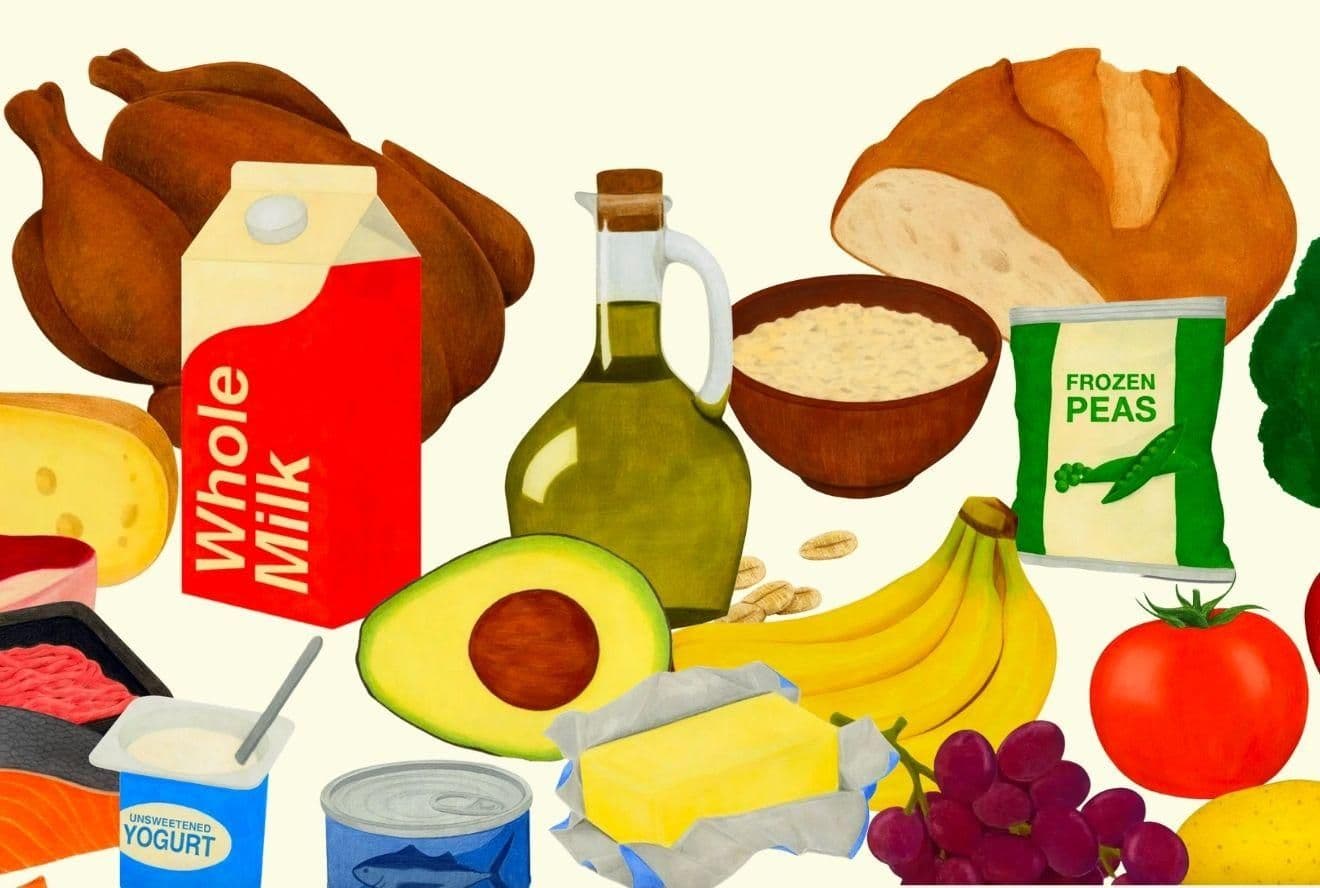
A diet low in fiber can cause constipation and hardening of stools, leading to straining.
Chronic diarrhea or certain liver diseases can contribute to the development of piles.
Certain lifestyle habits, health conditions, or environmental factors may increase the likelihood of developing this condition.
Long-term constipation or diarrhea causes significant strain on anal veins.

Lifestyle Factors: A low-fiber diet, lack of physical activity, and low fluid intake.
Excessive Straining: Straining during bowel movements or holding the breath during strenuous activity or heavy lifting.
Prolonged Sitting: Sitting for extended periods, especially on the toilet.
Pregnancy and Childbirth: Increased abdominal pressure and hormonal changes.
Excessive weight adds pressure to pelvic and rectal veins.
Weakening of tissues supporting veins in the anal area (common in adults over 50).

Inherited weakness in the anal walls.
Chronic coughing or certain lifestyle habits like using protein supplements that may cause constipation.
When to see a doctor: If symptoms do not improve after a week or if bleeding is excessive.
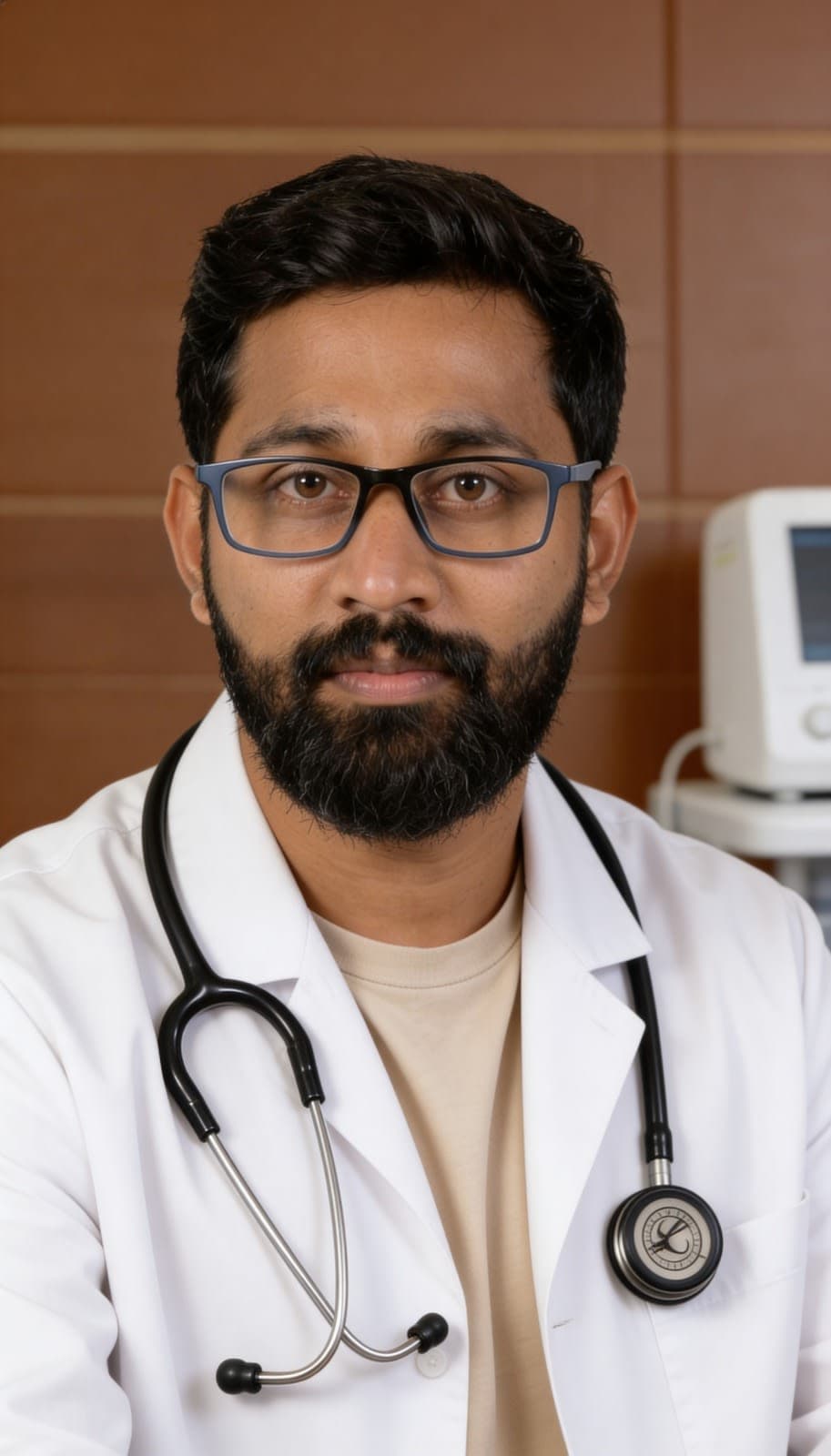
Qualifications: BHMS.(FMHMC), MSc Psychology and Counselling, PG Diploma in Guidance and Counselling, Diploma Interactive Drawing Therapy (IDT), Cognitive Behavioural Therapy (CBT), De‑addiction Training (NIMHANS).
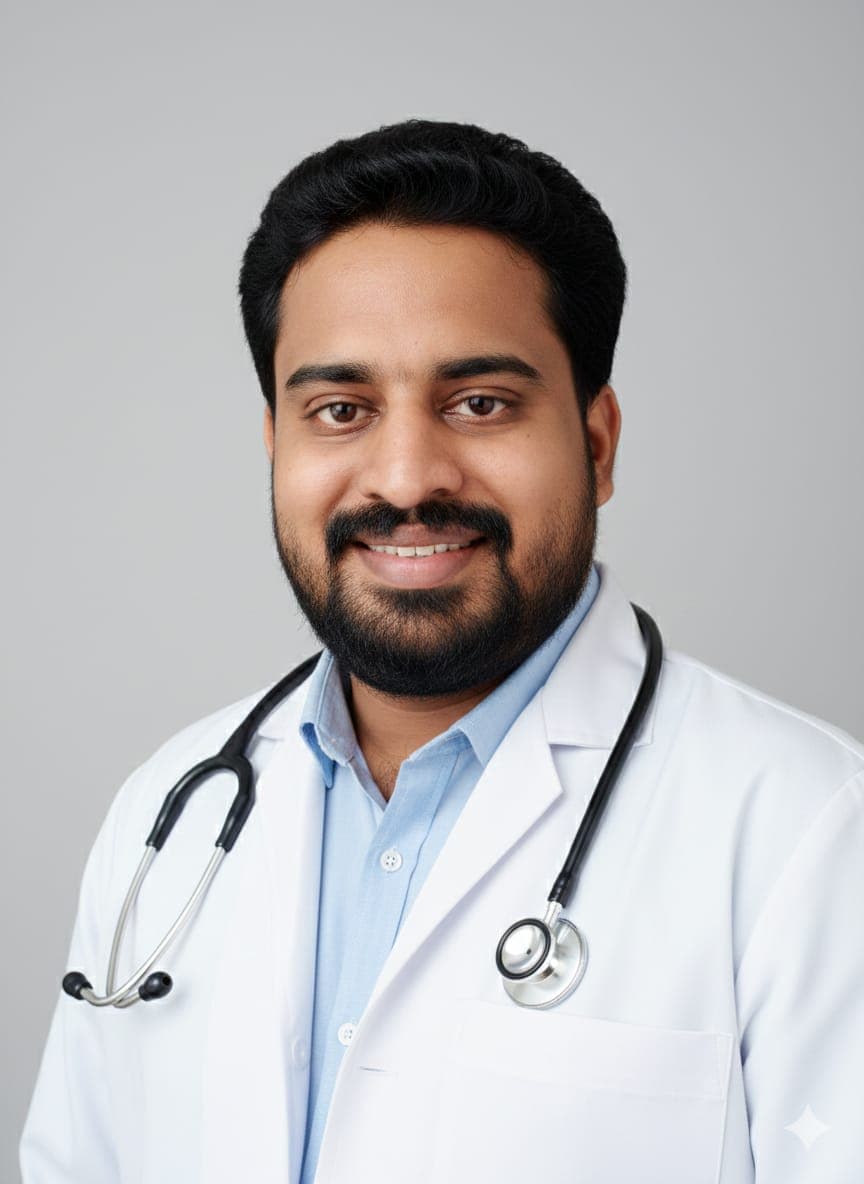
Qualifications: BHMS