Loading...
Loading...
Loading...
Protein-Energy Malnutrition (PEM) in children is a severe deficiency of calories and protein, primarily affecting those under five, resulting in growth failure, muscle wasting, and high susceptibility to infections.
Protein-Energy Malnutrition (PEM) in children is a severe deficiency of calories and protein, leading to stunted growth, wasting (weight loss), and high susceptibility to infections. It primarily affects children under five, often causing irreversible physical and cognitive impairment. Main types include marasmus (severe calorie deficiency/emaciation) and kwashiorkor (protein deficiency/edema).
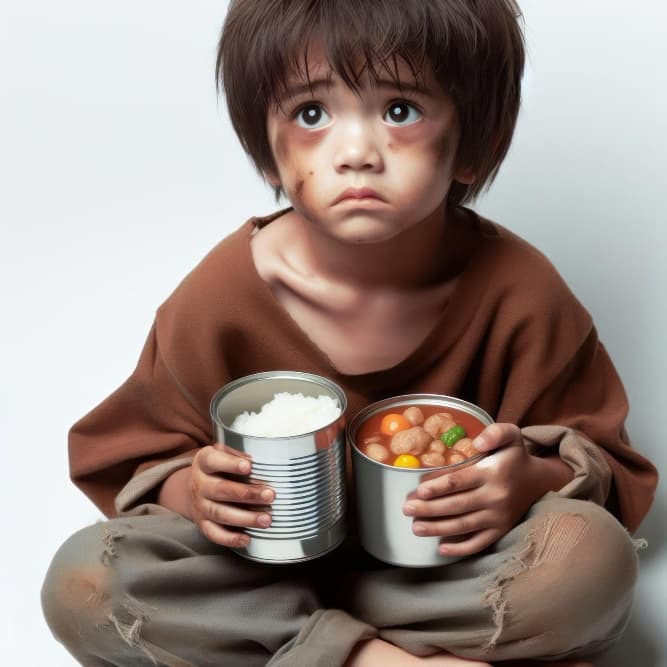
Homeopathy helps manage Protein-Energy Malnutrition (PEM) in children by improving digestion, increasing nutrient absorption, and strengthening the child's constitution, rather than merely treating the deficiency as a food shortage. It works as a complementary approach to improve weight and appetite, often addressing underlying absorption issues (malabsorption).
Important highlights and key medical insights about this condition.
Marasmus: Caused by severe deficiency in caloric intake, resulting in extreme wasting of fat and muscle.
Kwashiorkor: Caused by severe protein deficiency, often accompanied by edema (fluid retention/swollen belly), irritability, and hair/skin changes.
Marasmic-Kwashiorkor: A mixed, critical form showing symptoms of both.
Diagnosis & Assessment: Doctors use anthropometric measurements (weight-for-height, height-for-age), Mid-Upper Arm Circumference (MUAC), and Body Mass Index (BMI).
Prevention: Improving maternal nutrition, encouraging breastfeeding, education on child feeding, and improving sanitation to prevent infection.
Approximately 45 million children under age 5 suffer from wasting.
Learn more about this speciality and how our experts help you achieve better health outcomes.
Protein-Energy Malnutrition (PEM) primarily affects children under age 5, particularly in developing nations, due to inadequate protein and calorie intake.
Connect with experienced doctors who specialize in treating this condition and receive professional medical guidance.

Qualifications: BHMS.(FMHMC), MSc Psychology and Counselling, PG Diploma in Guidance and Counselling, Diploma Interactive Drawing Therapy (IDT), Cognitive Behavioural Therapy (CBT), De‑addiction Training (NIMHANS).