Loading...
Loading...
Loading...
Testicular atrophy is the shrinkage of one or both testicles, often accompanied by reduced sperm or testosterone production.
Testicular atrophy is the shrinkage of one or both testicles, resulting from a loss of germ cells, Leydig cells, or reduced blood flow, often causing infertility and low testosterone. Common causes include hormonal imbalances, infections (e.g., mumps), injury, varicocele, and substance use like anabolic steroids.
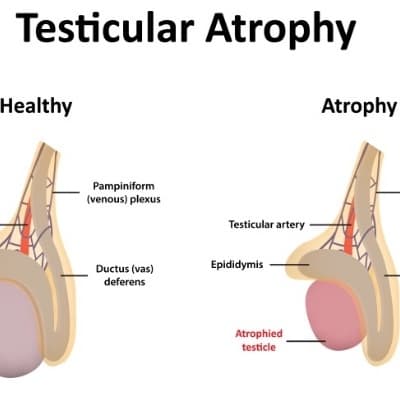
Homeopathy is suggested as a way to address testicular atrophy by using remedies that target the root cause of the issue, such as increasing testosterone levels or addressing underlying conditions like infection.
Important highlights and key medical insights about this condition.
Symptoms: Noticeable shrinkage, reduced sex drive, softer testicles, infertility, reduced muscle mass, and decreased pubic/facial hair.
Key Causes: Aging, anabolic steroid use, testosterone replacement therapy (TRT), alcohol abuse, testicular torsion (twisted testicle), infections (like mumps), and varicoceles (enlarged veins).
Reversibility: If caught early, it can often be reversed. However, it can become permanent if left untreated, particularly with cases of testicular torsion.
Learn more about this speciality and how our experts help you achieve better health outcomes.
Testicular atrophy causes the testes to shrink, affecting males of all ages,
See a doctor immediately if you notice sudden testicular shrinkage, pain, swelling, or lumps.
Connect with experienced doctors who specialize in treating this condition and receive professional medical guidance.

Qualifications: BHMS , BHS(Public Health ,Canada)
Diagnosis: Involves a physical exam, testicular ultrasound to measure volume (<12 mL is a sign of atrophy), and blood tests to check testosterone levels.
Differentiation: Testicular atrophy is not the same as the natural, temporary shrinking of the scrotum in cold weather.
Fertility: Testicular atrophy can lead to a lower sperm count and significantly reduced testosterone levels.
Qualifications: BHMS.(FMHMC), MSc Psychology and Counselling, PG Diploma in Guidance and Counselling, Diploma Interactive Drawing Therapy (IDT), Cognitive Behavioural Therapy (CBT), De‑addiction Training (NIMHANS).
Qualifications: BHMS