Loading...
Loading...
Loading...
spermatocele is a common, benign (noncancerous) fluid-filled sac that forms in the epididymis, usually at the top of the testicle, and may contain sperm.
Spermatocele is a common, noncancerous (benign) fluid-filled cyst that develops in the epididymis—the coiled tube behind the testicle that stores and transports sperm. These harmless sacs, which often contain dead sperm, are usually painless, smooth, and found at the top of the testicle.
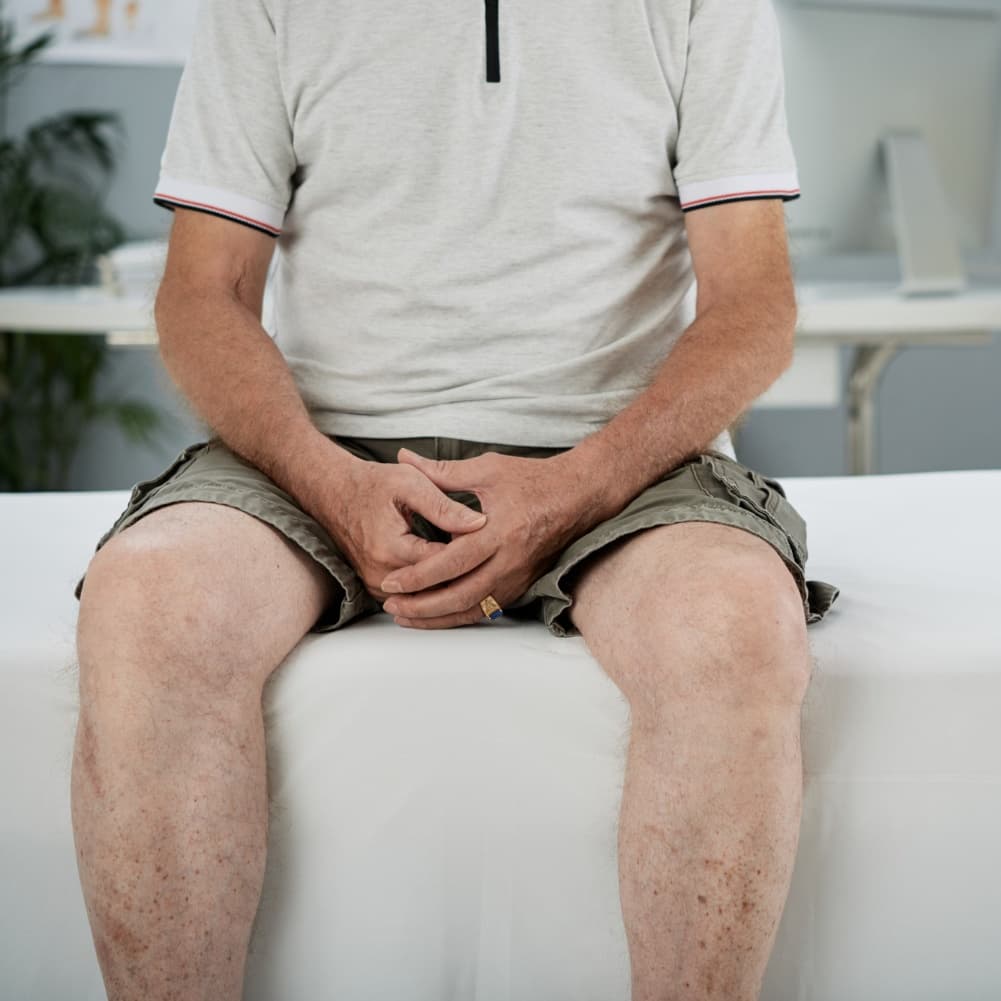
Homeopathy aims to manage spermatoceles (epididymal cysts) by using individualized remedies to reduce the size of the cyst and alleviate symptoms like pain or discomfort without surgery.
Important highlights and key medical insights about this condition.
Benign Nature: They are not cancer, do not turn into cancer, and do not increase the risk of testicular cancer.
Prevalence: Roughly 30% of men may develop small, asymptomatic spermatoceles.
Fertility: Typically, they do not reduce fertility.
Distinction: Unlike hydroceles, spermatoceles often arise from the head of the epididymis and are not typically managed by simple drainage, as they tend to refill.
Learn more about this speciality and how our experts help you achieve better health outcomes.
Spermatoceles (epididymal cysts) are common, typically harmless, fluid-filled sacs that affect nearly 1 in 3 adult males. They are most commonly found in men between the ages of 40 and 60, though they can occur at any age.
See a doctor if you discover a lump, swelling, or feel heaviness in your scrotum,
Connect with experienced doctors who specialize in treating this condition and receive professional medical guidance.

Qualifications: BHMS , BHS(Public Health ,Canada)
Causes: The exact cause is unknown, but they may result from blockages in the epididymal ducts, previous trauma, or inflammation.
Diagnosis: Usually found during a physical exam or self-exam. Confirmed via transillumination (shining light through the scrotum) or an ultrasound.
Qualifications: BHMS.(FMHMC), MSc Psychology and Counselling, PG Diploma in Guidance and Counselling, Diploma Interactive Drawing Therapy (IDT), Cognitive Behavioural Therapy (CBT), De‑addiction Training (NIMHANS).
Qualifications: BHMS