
Loading...
Loading...
Loading...
Swelling of a joint (arthralgia) is the abnormal accumulation of excess fluid within or around a joint, making it appear enlarged, puffy, or misshapen
Swollen joints, or joint effusion, occur when excess fluid builds up in or around a joint, often causing it to appear larger, feel warm, stiff, and painful. Common in knees, ankles, and hands, it results from inflammation, injury, or infections.
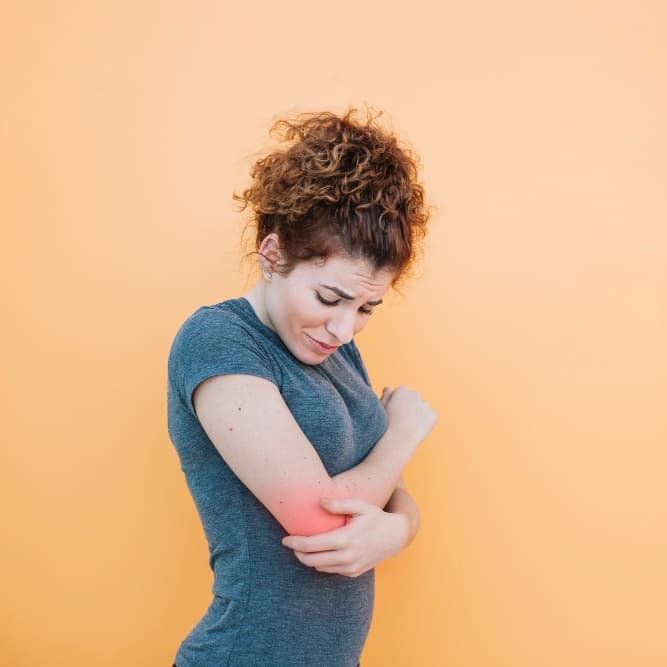
Homeopathy approaches swelling of joints (arthritis, injuries, or inflammation) by offering individualized, natural remedies aimed at reducing inflammation, decreasing pain, and improving mobility without side effects.
Recognizing early symptoms can help identify health issues sooner and ensure timely medical care.
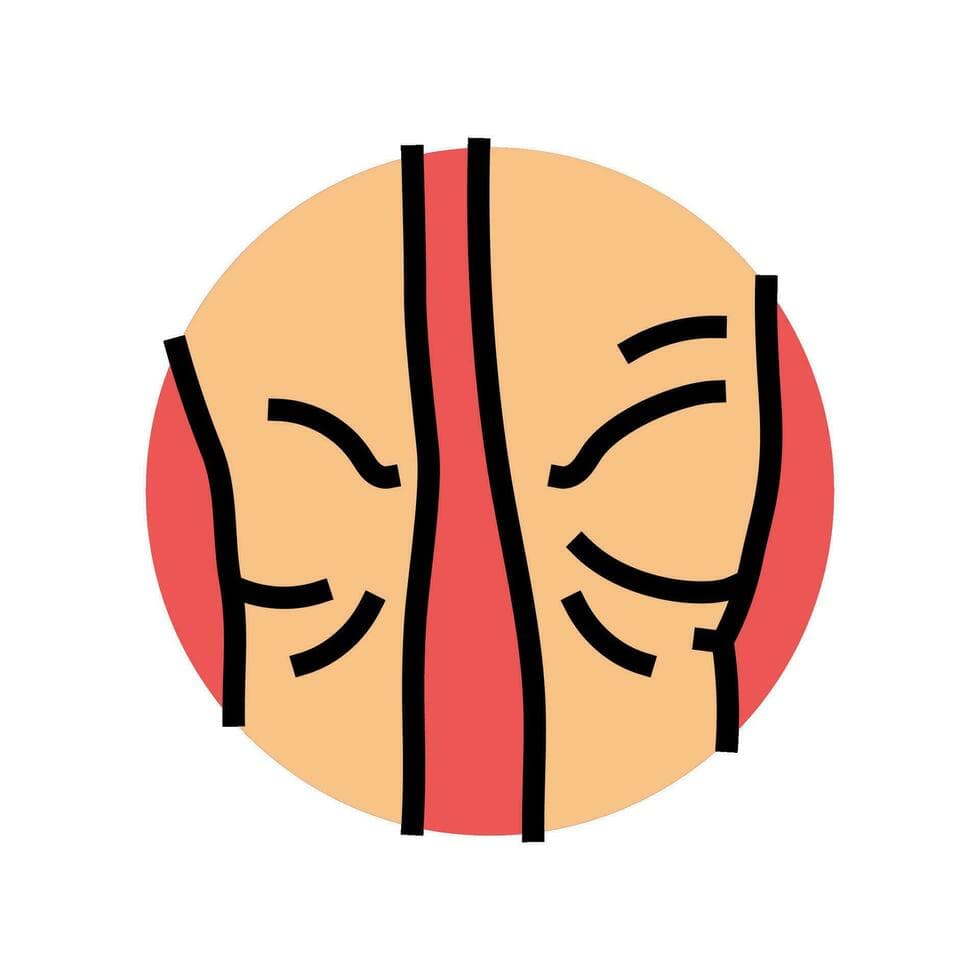
Visible Swelling: The joint appears larger or puffy compared to the unaffected side.
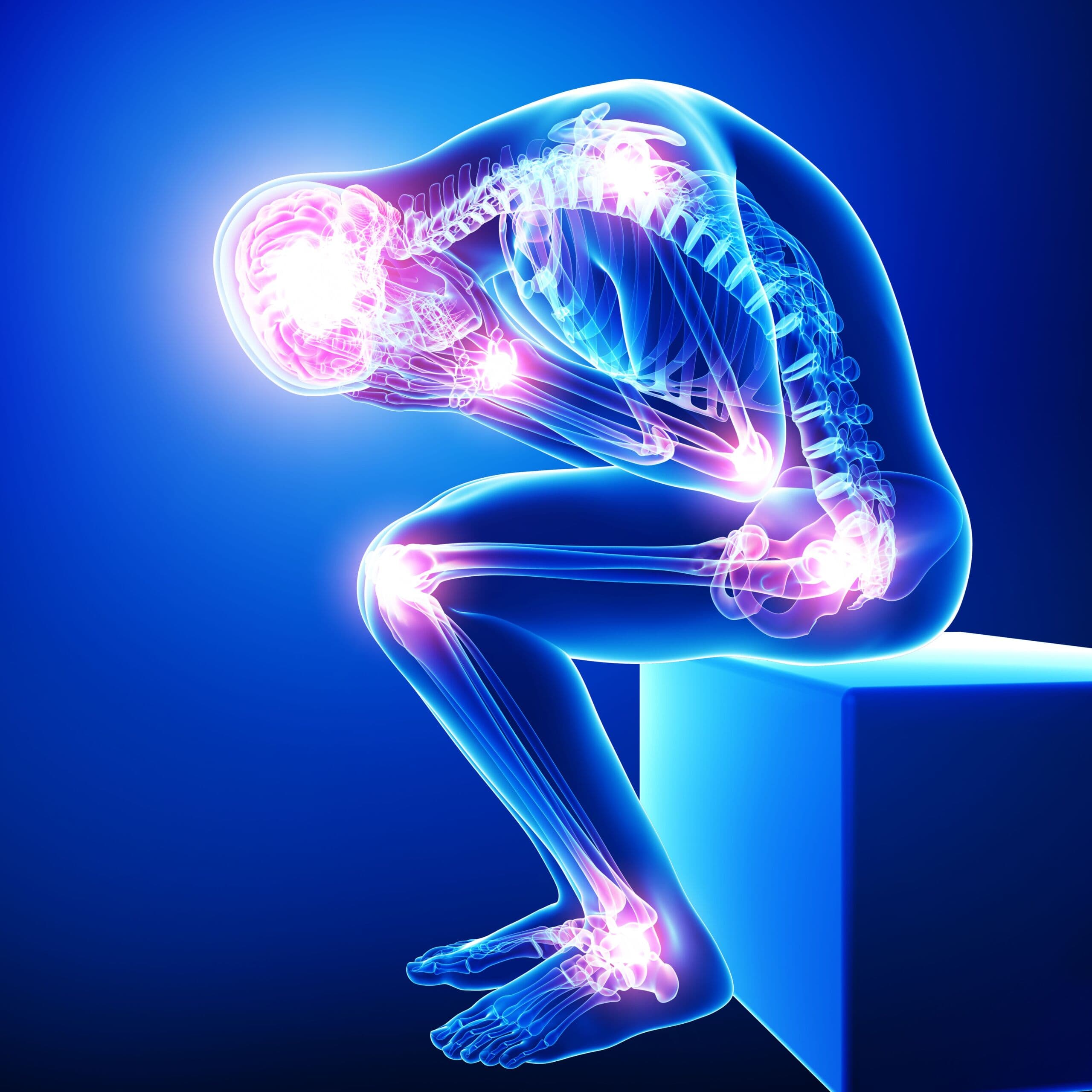
Pain and Tenderness: Pain often increases when moving or applying pressure.
Difficulty in bending or straightening the joint, particularly in the morning.
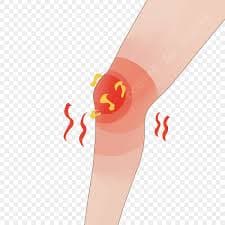
Warmth and Redness: The skin over the joint feels warm to the touch and may appear red.
General Symptoms: In cases of infection or systemic disease, you may experience fever, chills, and fatigue.
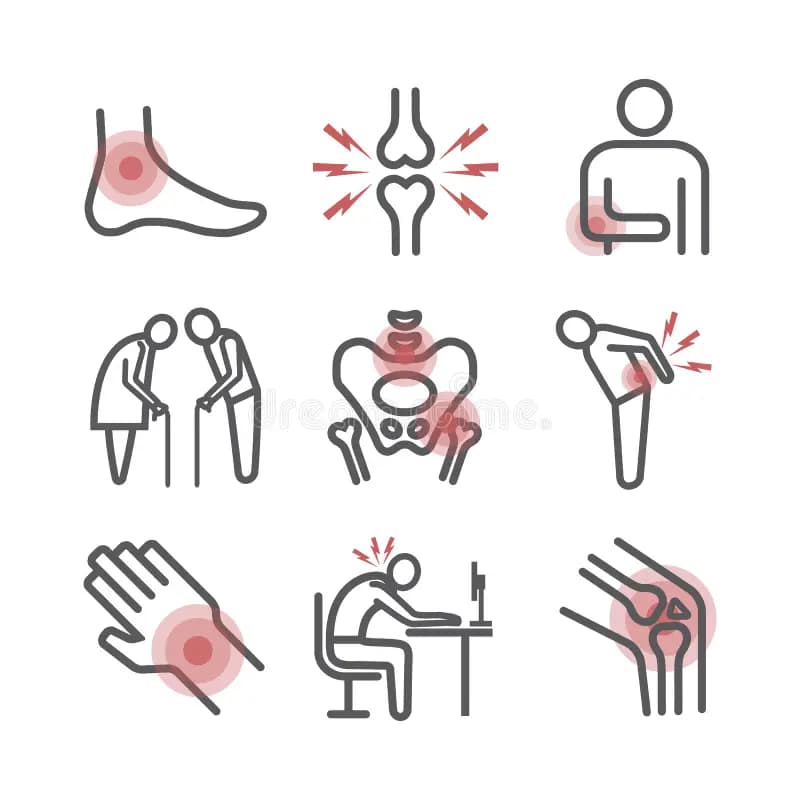
Skin Tension: The skin over the joint may feel stretched or shiny.
Understanding the underlying causes helps doctors diagnose conditions accurately and choose the most effective treatment.
Rheumatoid arthritis, Osteoarthritis, Psoriatic arthritis, Juvenile arthritis, Gout or Pseudogout,
Acute trauma, including ligament tears, fractures, and dislocations, often causes fluid buildup.
Septic arthritis (a joint infection) or infections like Lyme disease, HPV, can lead to swollen joints.
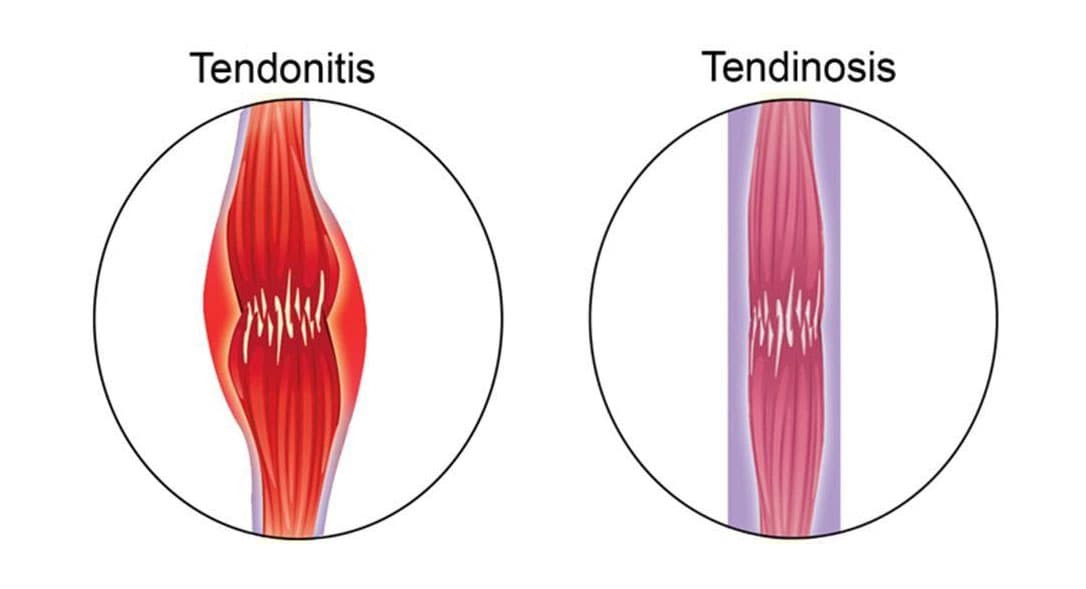
Overuse and Tendinitis: Repetitive motion can lead to inflammation of the tendons or bursa surrounding the joint.

Chronic autoimmune disorders (e.g., lupus) or tumors near the joint.
Certain lifestyle habits, health conditions, or environmental factors may increase the likelihood of developing this condition.
Older adults are more prone to joint degeneration (osteoarthritis) and chronic conditions.
Excess weight causes increased load on joints, particularly knees, leading to wear and damage.
Sprains, strains, ligament tears, or fractures can cause acute joint swelling.
Autoimmune diseases (rheumatoid arthritis, lupus), gout, and kidney or heart diseases can cause systemic joint inflammation.
Bacterial infections (septic arthritis) can cause rapid, severe swelling.

Smoking is linked to a higher risk of developing rheumatoid arthritis
Weakened Immune System: Factors like diabetes or immunosuppressant medications increase the likelihood of infections that cause swelling.
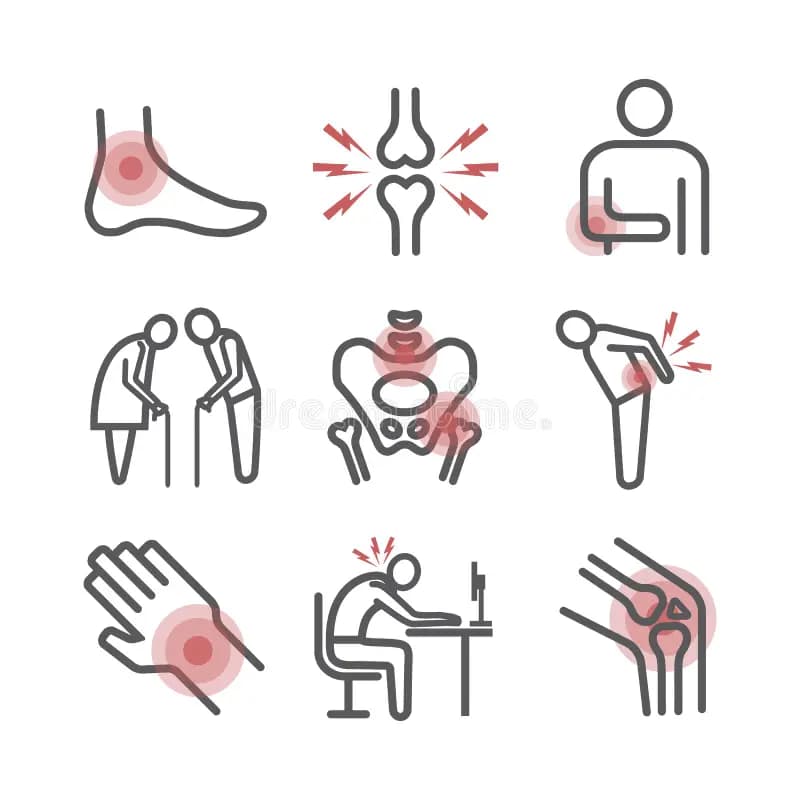
Repetitive Overuse: Repeatedly overusing a joint, often through athletics or specific job tasks, increases risk.
Important highlights and key medical insights about this condition.
Immediate "RICE" Care (Home Treatment) - REST: Avoid putting weight on the joint. ICE: Apply for 15–20 minutes several times a day. COMPRESSION: Use an elastic bandage to reduce swelling. ELEVATION: Raise the joint above heart level.
Sudden, severe pain and swelling.
Fever, chills, orfeeling generally unwell (signs of infection).
Knee is the most common, followed by the shoulder, ankle, elbow, and hip.
Reduced Range of Motion: Difficulty straightening or bending the joint.
Overuse: Repetitive motion causing tendonitis or bursitis.
Learn more about this speciality and how our experts help you achieve better health outcomes.
Swelling of the joint (joint effusion) affects people of all ages, commonly caused by arthritis, injury, or infection. Those at higher risk include older adults, people with obesity, individuals with autoimmune diseases (like rheumatoid arthritis or lupus), and those with physically demanding jobs or injuries.
See a doctor immediately for joint swelling if it is accompanied by severe pain, fever, inability to bear weight, or a visible deformity.
Connect with experienced doctors who specialize in treating this condition and receive professional medical guidance.

Qualifications: BHMS , BHS(Public Health ,Canada)

Qualifications: BHMS.(FMHMC), MSc Psychology and Counselling, PG Diploma in Guidance and Counselling, Diploma Interactive Drawing Therapy (IDT), Cognitive Behavioural Therapy (CBT), De‑addiction Training (NIMHANS).

Qualifications: BHMS