
Loading...
Loading...
Loading...
Rheumatoid arthritis (RA) is a chronic autoimmune disorder where the immune system mistakenly attacks the synovium (joint lining).
Rheumatoid arthritis (RA) is a chronic, systemic autoimmune disease where the immune system attacks the lining of joints (synovium), causing painful inflammation, swelling, and stiffness. It frequently causes symmetrical damage to small joints (hands, wrists, feet) and, if untreated, can cause deformity, bone erosion, and damage to other organs.

Homeopathy is used as a complementary approach to manage Rheumatoid Arthritis (RA) by treating the individual as a whole, focusing on reducing pain, stiffness, and inflammation. It utilizes individualized, highly diluted natural substances to address symptoms and improve quality of life, often reducing the frequency of flares.
Recognizing early symptoms can help identify health issues sooner and ensure timely medical care.
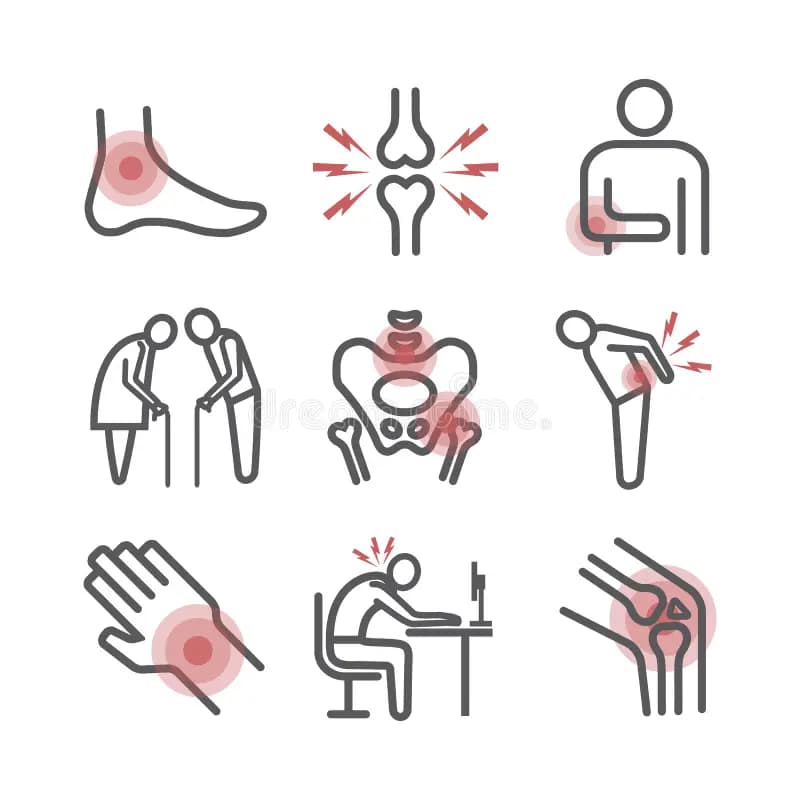
Joint Symptoms: Pain, swelling, warmth, tenderness, and stiffness (often lasting over an hour in the morning).

Symptoms usually occur in the same joints on both sides of the body.
Fatigue and Weakness: Extreme tiredness and lack of energy that is not fixed by sleep.

Often begins in smaller joints, such as the knuckles, fingers, and wrists.

Over time, joints may lose mobility or become deformed.
Low-grade Fever: The body's reaction to inflammation.
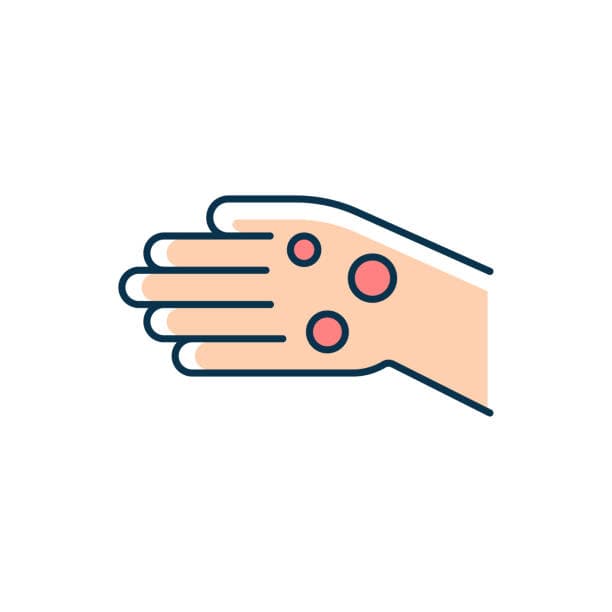
Firm bumps under the skin near affected joints.
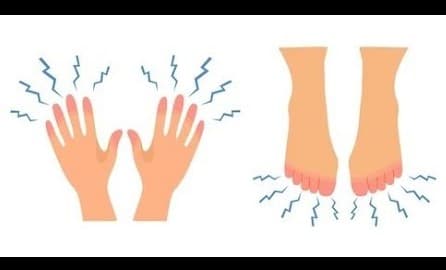
Caused by nerve compression (e.g., carpal tunnel syndrome).
Dry eyes and mouth (Sjogren's syndrome), which can appear before joint pain.

Loss of Appetite and Weight Loss
Understanding the underlying causes helps doctors diagnose conditions accurately and choose the most effective treatment.

Inherited genes, particularly HLA-DRB1, can make individuals more susceptible to developing RA, though these genes are not the sole cause.

Long-term smoking is a well-established risk factor that can trigger the condition in genetically predisposed people.

Infection/Bacteria: Certain infections, such as those causing gum disease (periodontitis) or bacteria in the gut, may trigger the autoimmune response.

to silica or certain dusts can increase risk.

The disease is more common in women than men, suggesting that female sex hormones may play a role. Symptoms may change or improve during pregnancy and flare afterward.

Individuals who are overweight have a higher chance of developing RA, as obesity promotes inflammation.
Certain lifestyle habits, health conditions, or environmental factors may increase the likelihood of developing this condition.

Females are two to three times more likely to develop RA than males.

such as changing levels post-pregnancy or early menopause, may play a role.

While not directly inherited, certain genes (e.g., HLA-DRB1) increase susceptibility. Having a first-degree relative with RA significantly increases risk.

Long-term smoking is a well-established, modifiable risk factor that increases the likelihood of developing RA and its severity.

Although it can start at any age, the risk increases as you get older, with peak onset commonly between 30 and 60 years old.

Higher body weight contributes to higher risk and can negatively affect treatment response.

Exposure to air pollution, silica dust, and occupational hazards can act as triggers

viral or bacterial infections and chronic gum disease (periodontitis) are also linked to higher risk.
Childhood trauma and exposure to secondhand smoke are potential contributing factors.
Important highlights and key medical insights about this condition.
Morning Stiffness: Stiffness lasting over 30 minutes to an hour upon waking is common.
Systemic Effects: Beyond joints, it can cause fatigue, fever, and affect eyes, lungs, or the heart.
Demographics: Women are two to three times more likely to develop RA than men, often developing it after age 50.
Diagnosis: No single test exists; diagnosis involves symptoms, blood tests (rheumatoid factor), and imaging.
Prevalence: Affects approximately 18 million people worldwide.
Flares/Remission: Symptoms can vary, with active periods (flares) and inactive periods (remission).
Learn more about this speciality and how our experts help you achieve better health outcomes.
Rheumatoid arthritis (RA) primarily affects women, who are two to three times more likely to develop the condition than men. While it can occur at any age, onset is most common between 30 and 60, with risks increasing with age.
See a doctor if you experience persistent joint pain, swelling, or stiffness—especially in the small joints of hands/feet—lasting for several weeks or more. Early diagnosis is critical, ideally within the first two years, to prevent permanent joint damage.
Connect with experienced doctors who specialize in treating this condition and receive professional medical guidance.

Qualifications: BHMS , BHS(Public Health ,Canada)

Qualifications: BHMS.(FMHMC), MSc Psychology and Counselling, PG Diploma in Guidance and Counselling, Diploma Interactive Drawing Therapy (IDT), Cognitive Behavioural Therapy (CBT), De‑addiction Training (NIMHANS).

Qualifications: BHMS