
Loading...
Loading...
Loading...
Osteoarthritis (OA) is the most common, degenerative "wear-and-tear" joint disease, causing the protective cartilage on bone ends to wear down over time.
Osteoarthritis (OA) is the most common form of arthritis, often referred to as "wear-and-tear" arthritis or degenerative joint disease. It occurs when the protective cartilage that cushions the ends of your bones wears down over time, eventually causing bones to rub against each other.
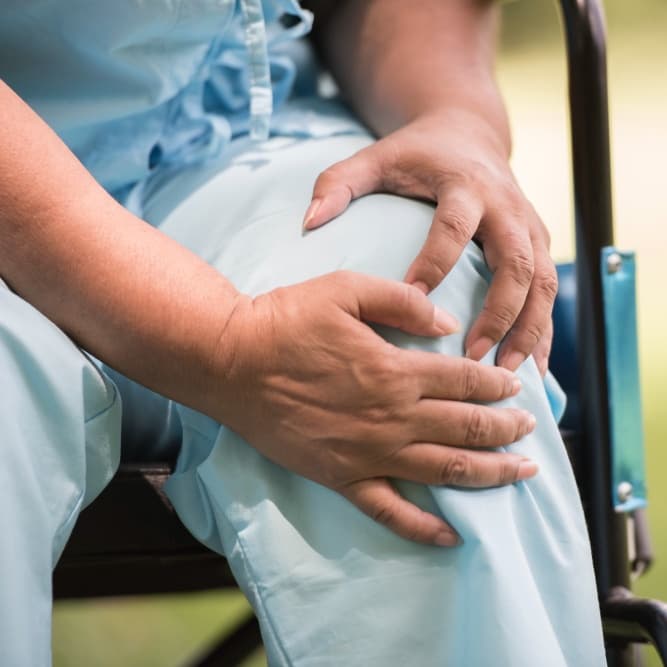
Homeopathy aids in managing Osteoarthritis (OA) by offering individualized remedies aimed at reducing joint pain, stiffness, and inflammation, often resulting in improved joint flexibility and daily functioning. Studies suggest that individualized homeopathic medicines can significantly lower WOMAC scores (pain, stiffness, physical function)
Recognizing early symptoms can help identify health issues sooner and ensure timely medical care.
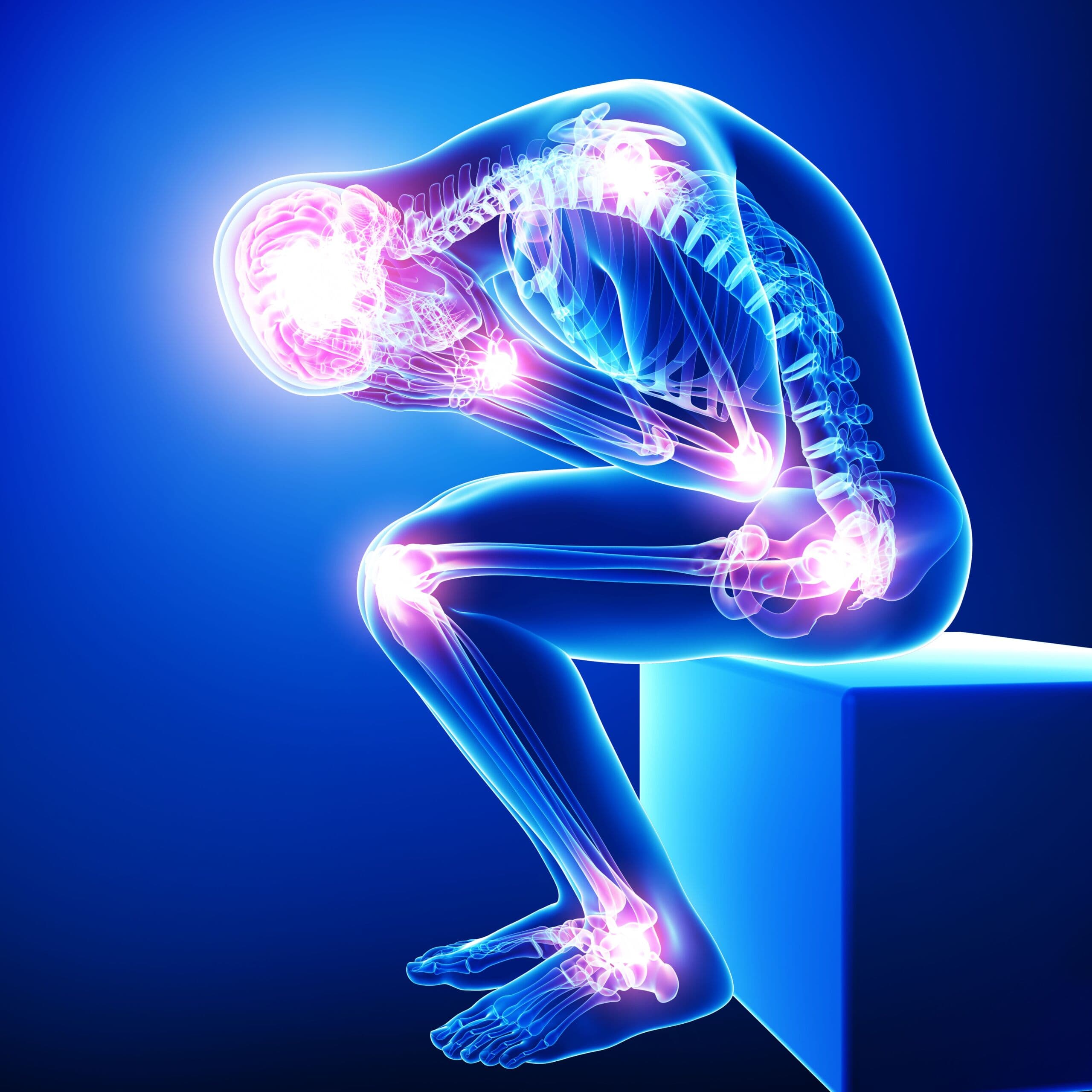
Often described as a deep ache, increasing during or after activity, and potentially at night.
Most common in the morning or after resting, typically lasting under 30 minutes.

Reduced Range of Motion: Joints may feel stiff and become harder to move over time.
A grating, cracking, or grinding sound (crepitus) when using the joint.
Swelling/Tenderness: Mild swelling, sometimes caused by soft tissue inflammation or bony enlargements (nodes).
The sensation that a joint, particularly the knee, is "giving way" or buckling.
Bony enlargements known as Heberden's nodes (end joints) and Bouchard's nodes (middle joints) may develop, along with pain at the base of the thumb.

Pain when walking, climbing stairs, or bending, with potential grinding sensations.
Pain in the groin, buttocks, or knee/thigh area.
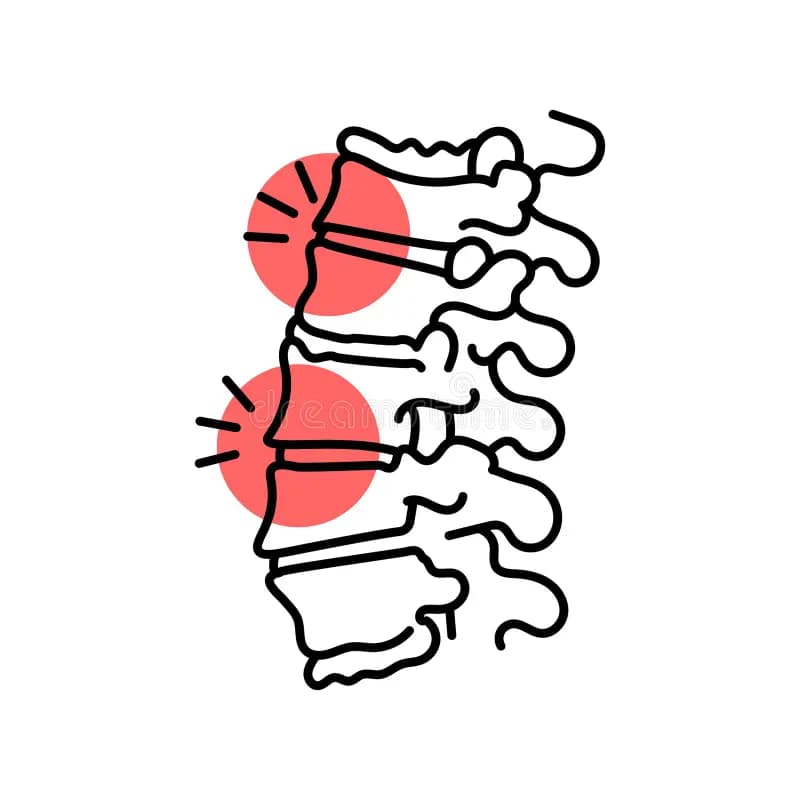
Stiffness and pain in the neck or lower back.
Understanding the underlying causes helps doctors diagnose conditions accurately and choose the most effective treatment.
The risk increases significantly after age 55, as joints experience more cumulative wear and tear over time.

Extra weight puts increased stress on weight-bearing joints like the hips and knees, while fat tissue produces chemicals that cause inflammation.
Previous trauma (e.g., torn cartilage, ligament injuries, fractures) can lead to OA, even if the injury occurred many years ago.
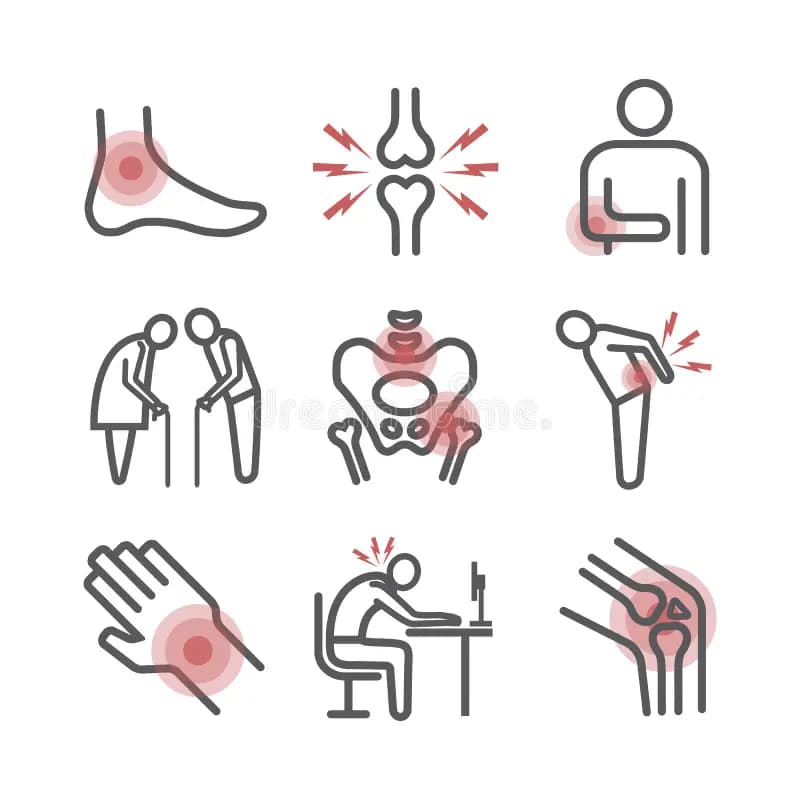
Repetitive Joint Stress: Jobs or sports that require daily, repetitive motions (like kneeling, lifting, or walking) can cause damage

Inherited factors can increase the likelihood of developing joint structural problems.
Being born with malformed joints or defective cartilage can cause joints to wear prematurely

Postmenopausal women are more likely to develop osteoarthritis.

Conditions such as diabetes and high cholesterol increase the risk of cartilage breakdown
Certain lifestyle habits, health conditions, or environmental factors may increase the likelihood of developing this condition.
Risk increases with age, most commonly affecting people over 50.

Excessive body weight puts strain on weight-bearing joints (knees, hips) and creates metabolic stress, significantly increasing OA risk.
Past injuries from sports, accidents, or work can cause OA in that joint years later.
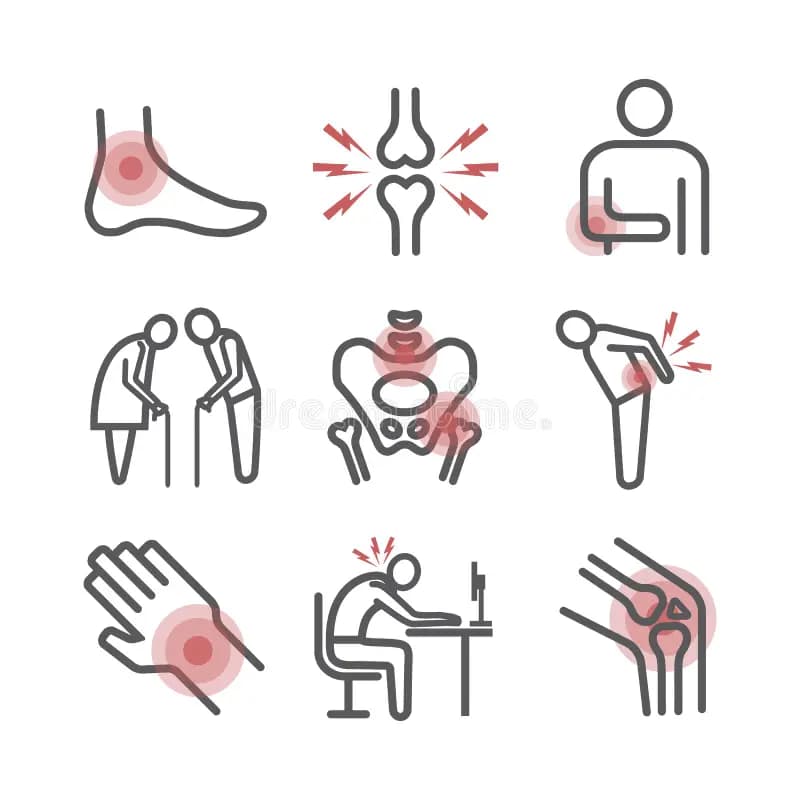
Repetitive Joint Stress: Jobs or sports involving constant kneeling, squatting, or lifting (e.g., construction) increase risk.

Women are more likely to develop OA than men, especially after menopause.

Hereditary factors can affect joint structure or cartilage development.
Being born with defective cartilage or misaligned joints.

Diabetes, hemochromatosis (iron overload), and inflammatory arthritis (e.g., gout).
Weakness in muscles supporting the joints, such as the quadriceps, can accelerate knee OA.
Important highlights and key medical insights about this condition.
Common Locations: Knees, hips, spine, and hands.
Demographics: Before age 40, men are more affected; after 40-70, it is more common in women.
Management & Treatment: No cure exists, but it is treated with weight management, exercise, physical therapy, pain medication, and sometimes surgery.
Difference from other Arthritis: Unlike inflammatory types, OA is primarily degenerative, though it can cause some swelling.
Causes/Risk Factors: Aging, obesity, joint injuries, overuse (repetitive stress), and genetics.
Maintain a healthy weight to reduce pressure on joints.
Learn more about this speciality and how our experts help you achieve better health outcomes.
Osteoarthritis (OA) primarily affects older adults, particularly those over age 50, though it can occur in younger people, often following joint injury. It is more common in women than men. Risk factors include obesity, repetitive joint stress, previous injury, and genetic factors, commonly affecting knees, hips, and hands.
See a doctor for osteoarthritis (OA) when you experience persistent joint pain, stiffness lasting over 30 minutes in the morning, or reduced mobility that hinders daily tasks.
Connect with experienced doctors who specialize in treating this condition and receive professional medical guidance.

Qualifications: BHMS , BHS(Public Health ,Canada)

Qualifications: BHMS.(FMHMC), MSc Psychology and Counselling, PG Diploma in Guidance and Counselling, Diploma Interactive Drawing Therapy (IDT), Cognitive Behavioural Therapy (CBT), De‑addiction Training (NIMHANS).

Qualifications: BHMS