Loading...
Loading...
Loading...
Muscle weakness is the reduced ability to exert force with muscles, where maximum effort fails to produce normal, expected movement.
Muscle weakness is a reduced ability to exert force with muscles, where full effort fails to produce normal muscle contraction or movement. It can feel like fatigue, lack of coordination, or difficulty performing daily tasks like lifting or walking.

Homeopathy aims to treat muscle weakness by taking a holistic approach, selecting remedies based on the specific symptoms, cause, and overall constitution of the individual rather than just the weakness itself.
Recognizing early symptoms can help identify health issues sooner and ensure timely medical care.
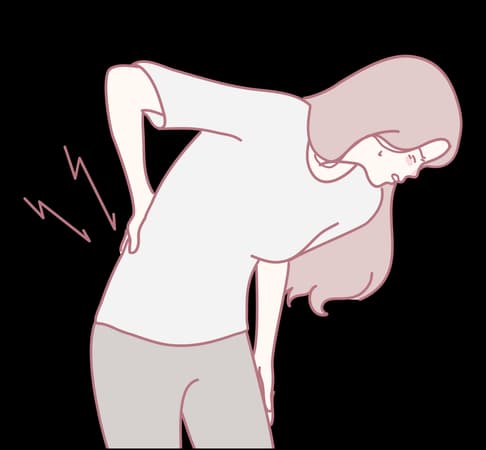
Difficulty walking, climbing stairs, or rising from a seated position.
Loss of Coordination: Trouble balancing, standing, or conducting fine motor tasks.
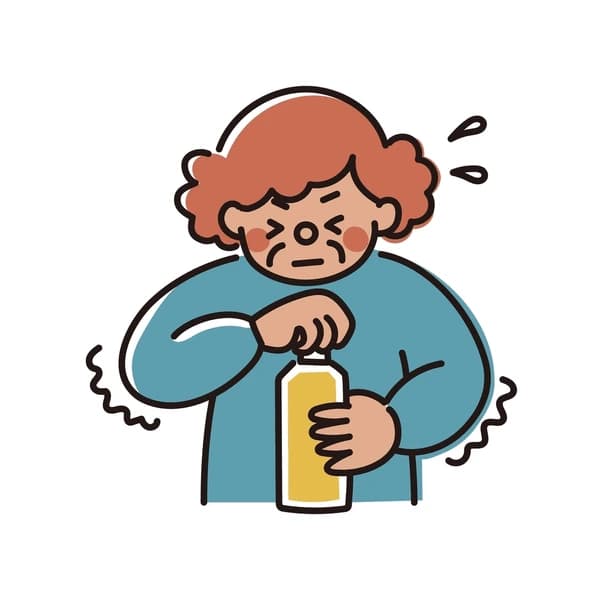
Difficulty holding objects, leading to frequent dropping.
Understanding the underlying causes helps doctors diagnose conditions accurately and choose the most effective treatment.
Neurological Disorders: Conditions affecting nerves that control muscles, including ALS (amyotrophic lateral sclerosis), Multiple Sclerosis (MS), Parkinson’s disease, Guillain-Barré syndrome, and stroke.
Muscular Conditions: Diseases that affect the muscle tissue directly, such as muscular dystrophies or inflammatory myopathies.
Thyroid issues (hypo- or hyperthyroidism), Addison’s disease (adrenal issues), and diabetes (which can cause nerve damage).
Certain lifestyle habits, health conditions, or environmental factors may increase the likelihood of developing this condition.
Aging (>65 years) is a primary risk factor due to sarcopenia (natural loss of muscle mass)
Prolonged inactivity, bed rest, or a lack of resistance training causes muscle fibers to shrink and weaken.

Long-lasting illnesses, such as diabetes (nerve damage), cancer, chronic kidney disease (metabolic waste buildup), and COPD, significantly increase risk.
Important highlights and key medical insights about this condition.
Sudden Weakness: Sudden, severe weakness, especially on one side of the body, can indicate a stroke or emergency neurological issue.
Medical Factors: Electrolyte imbalances, thyroid disorders, diabetes, and certain medications (like statins or corticosteroids) can cause weakness.
Common Causes: Neurological conditions (multiple sclerosis, strokes), nerve damage (pinched nerves), infections (botulism), and autoimmune diseases (myasthenia gravis) are leading causes.
Learn more about this speciality and how our experts help you achieve better health outcomes.
Muscle weakness affects a broad range of people, most commonly older adults (sarcopenia), those with chronic illnesses (diabetes, cancer, heart disease), or individuals with neuromuscular diseases like muscular dystrophy.
Seek medical attention promptly if muscle weakness is sudden, severe, unexplained, or interferes with daily tasks like walking or lifting.
Connect with experienced doctors who specialize in treating this condition and receive professional medical guidance.

Qualifications: BHMS , BHS(Public Health ,Canada)
Feeling tired after minimal effort.
Muscle Changes: Twitching, trembling, cramping, or reduced muscle mass (atrophy).

Difficulty brushing teeth, combing hair, or lifting objects overhead.
Drooping eyelids, slurred speech, or difficulty swallowing.
Low levels of potassium, magnesium, or calcium affect muscle function. Malnutrition and vitamin deficiencies (e.g., Vitamin D or B12) can also cause weakness.
Chronic fatigue syndrome, fibromyalgia
Lyme disease, HIV, or hepatitis C.
Chronic inactivity, aging (sarcopenia), or temporary damage from overexertion.

Side effects from drugs like statins, corticosteroids, or certain antibiotics.
Neurological Conditions: Conditions affecting nerve function—such as stroke, multiple sclerosis (MS), and amyotrophic lateral sclerosis (ALS)—disrupt signaling to muscles.
Electrolyte Imbalances: Low levels of potassium, calcium, sodium, or magnesium impair muscle contraction.
Viruses like the flu or conditions like Lyme disease, can cause temporary to chronic weakness.

Side effects from certain drugs, including corticosteroids and some diuretics, can lead to muscle weakness.
Endocrine Disorders: Issues with metabolism, such as thyroid diseases (hypo- or hyperthyroidism) and adrenal insufficiency, are potential causes.
Lifestyle & Aging: Lack of use (inactivity), muscle wasting (atrophy), and age-related loss of muscle mass (sarcopenia) cause progressive, gradual weakness.
Symptoms: Besides weakness, symptoms can include tremor, cramping, loss of muscle tone, or difficulty performing daily tasks.
Diagnosis & Care: Evaluated via physical exams, blood tests, or imaging, and treated with physical therapy, medication, or lifestyle adjustments.

Qualifications: BHMS.(FMHMC), MSc Psychology and Counselling, PG Diploma in Guidance and Counselling, Diploma Interactive Drawing Therapy (IDT), Cognitive Behavioural Therapy (CBT), De‑addiction Training (NIMHANS).

Qualifications: BHMS