
Loading...
Loading...
Loading...
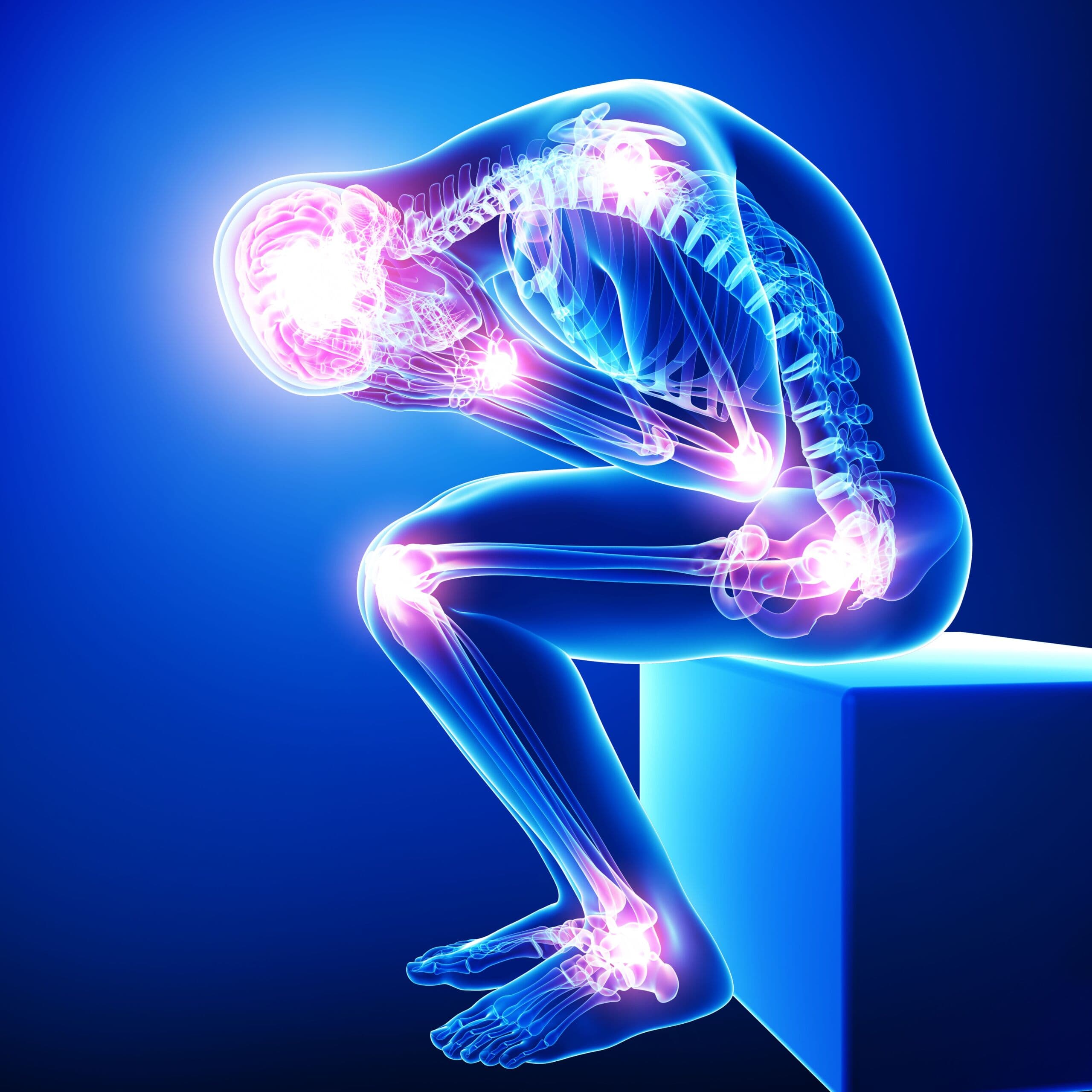
Muscle pain refers to aches, soreness, stiffness, or burning sensations within muscle tissue.
Muscle pain, or myalgia, is characterized by aches, tightness, soreness, or stiffness, often resulting from overuse, injuries, or stress. It can be localized (one area) or systemic (body-wide), often affecting muscles, ligaments, or tendons. Common examples include sprains, strains, spasm/cramping, and delayed soreness.

Homeopathy treats muscle pain by using highly diluted natural substances to trigger the body's self-healing mechanisms, selecting remedies based on specific symptom profiles, pain types, and movement patterns rather than the pain itself. It aims to reduce inflammation and accelerate recovery, particularly for sports injuries and chronic tenderness.
Recognizing early symptoms can help identify health issues sooner and ensure timely medical care.
Dull, Aching Pain: Localized to specific areas (common in overuse) or widespread (often due to illness).
Muscle Stiffness or Tension: Inflexibility and difficulty moving the muscle.
Soreness and Tenderness: Sensitivity to touch or pressure.
Sudden, sharp, involuntary contractions.
Loss of strength in the affected area.
Swelling or Bruising: May occur with acute injuries or strains.
Understanding the underlying causes helps doctors diagnose conditions accurately and choose the most effective treatment.
Overuse and Strain: Overworking a muscle or starting a new, intense exercise routine can cause microscopic muscle fiber tears, leading to delayed-onset muscle soreness (DOMS).
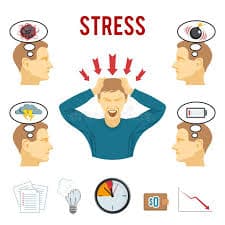
Tension and Stress: Psychological stress can cause muscles to tense up, particularly in the neck, back, and shoulders.
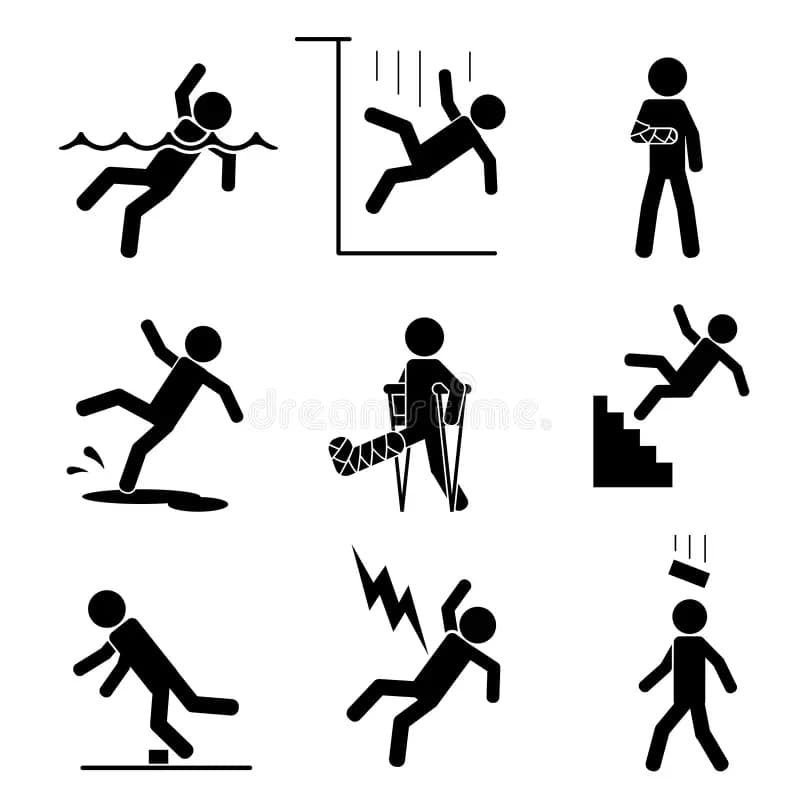
Strains, sprains, or direct trauma (bruises/contusions) can cause localized pain.
Infections like the flu, COVID-19, or common colds often cause systemic, body-wide aches and inflammation.
Dehydration and Electrolyte Imbalance: A lack of water can cause muscle cramps and spasms.

Certain drugs, such as statins for cholesterol, can cause muscle damage or pain.

Fibromyalgia, Myositis, Hypothyroidism, Chronic Fatigue Syndrome
Certain lifestyle habits, health conditions, or environmental factors may increase the likelihood of developing this condition.
Overuse and Repetitive Motion: Using muscles too much or too often leads to micro-tears.
Unfamiliar Exercise: Starting a new workout routine or overexerting muscles without proper training.

Poor Ergonomics/Posture: Working at a desk or sitting in positions that cause muscle tension.

Lack of Warm-up/Stretching: Neglecting preparation, increasing risk of strain.
Prolonged inactivity can weaken muscles, making them susceptible to strain.
Viral infections (influenza, COVID-19) and bacterial infections often cause widespread aches.
Conditions like lupus, myositis, and rheumatoid arthritis directly attack or affect muscle tissue.
Vitamin D deficiency, low potassium, calcium, or magnesium levels.
Conditions like muscular dystrophy.
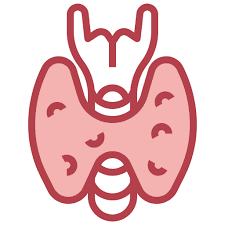
Hypothyroidism can lead to muscle stiffness and pain.

Fibromyalgia and chronic fatigue syndrome cause widespread musculoskeletal pain.

Cholesterol-lowering medication, ACE inhibitors (blood pressure), Withdrawal from medications can cause pain.
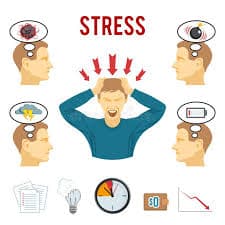
High stress leads to muscle tension and tightness.
Sleep Disorders: Poor sleep (insomnia, apnea) inhibits muscle recovery.
Older adults lose muscle mass (sarcopenia), leading to easier injury.
Important highlights and key medical insights about this condition.
Rest: Stop the activity that caused the pain and let the muscle recover.
Ice: Apply cold packs for the first 24-72 hours to reduce swelling and inflammation.
Heat: Use a warm bath or heat pack after 72 hours to improve blood circulation and relax tight muscles.
Gentle Movement: Light stretching or walking can help reduce soreness.
Physical Activity (DOMS): Delayed-onset muscle soreness (DOMS) occurs 6 to 12 hours after intense or new exercise and can persist for up to 48 hours.
Overuse and Tension: The most common causes are using a muscle too much, stress, or tension.
Learn more about this speciality and how our experts help you achieve better health outcomes.
Almost everyone experiences muscle pain (myalgia) at some point, as it affects people of all ages. Common causes include overuse, stress, or injury. Key groups affected are athletes, individuals with sedentary lifestyles, those with viral infections like the flu, and people with chronic, autoimmune, or neuromuscular conditions.
See a doctor for muscle pain if it is severe, persists for more than 3 days, or is accompanied by signs of infection (fever, rash), swelling, or severe weakness.
Connect with experienced doctors who specialize in treating this condition and receive professional medical guidance.

Qualifications: BHMS , BHS(Public Health ,Canada)

Qualifications: BHMS.(FMHMC), MSc Psychology and Counselling, PG Diploma in Guidance and Counselling, Diploma Interactive Drawing Therapy (IDT), Cognitive Behavioural Therapy (CBT), De‑addiction Training (NIMHANS).

Qualifications: BHMS