
Loading...
Loading...
Loading...
Joint stiffness is the feeling that moving a joint is difficult, limited, or requires extra effort.
Joint stiffness is the sensation of tightness, restricted motion, or difficulty moving a joint, often causing it to feel "stuck" or inflexible after periods of inactivity or upon waking. It is primarily caused by inflammation, such as in arthritis, or age-related tissue changes, usually improving with movement.
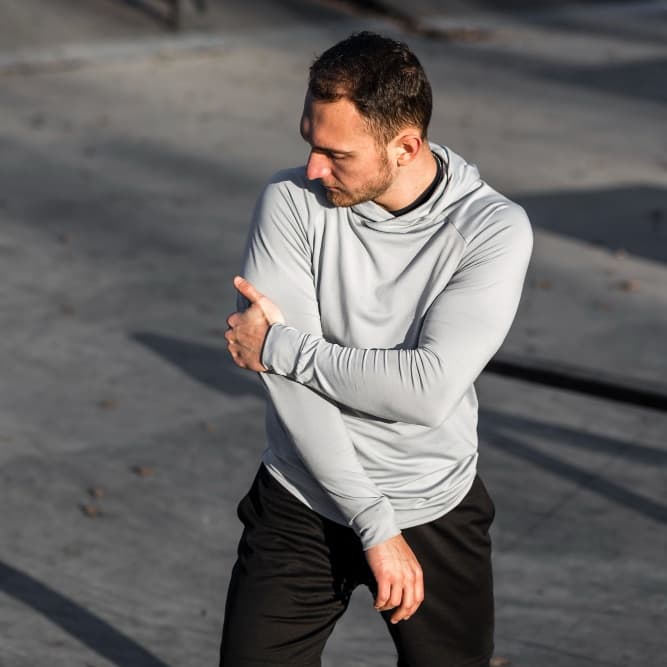
Homeopathy helps manage joint stiffness by providing highly individualized, natural remedies that aim to reduce inflammation, alleviate pain, and improve mobility based on specific symptoms. It addresses stiffness through tailored approaches for chronic arthritis or acute injury.
Recognizing early symptoms can help identify health issues sooner and ensure timely medical care.

Reduced Flexibility/Range of Motion: Inability to fully bend or straighten a joint.
Morning Stiffness: Stiffness that is worst upon waking or after inactivity, which may last for an hour or more (often associated with arthritis).
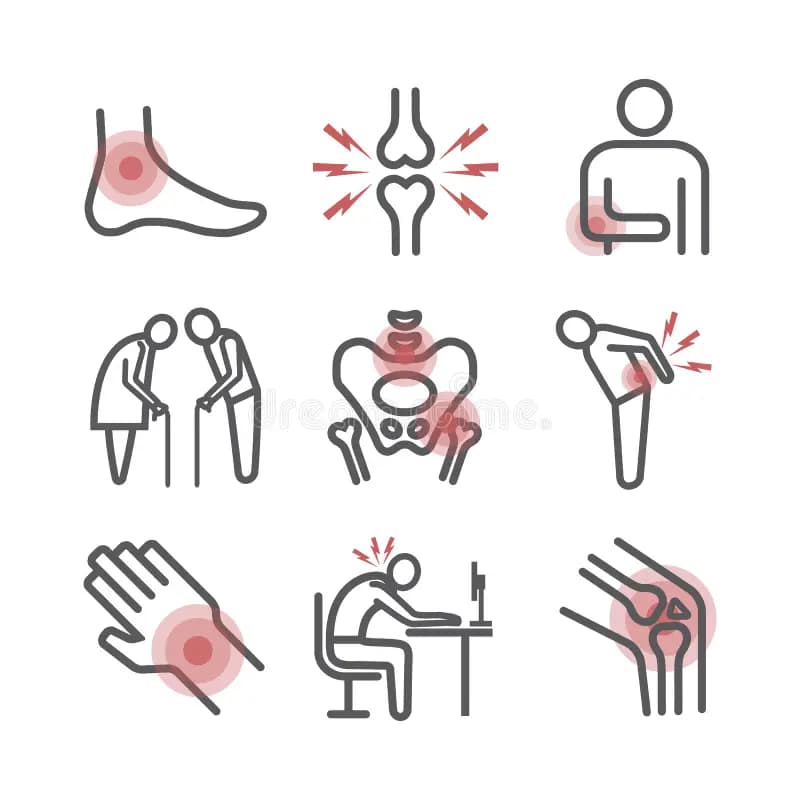
Pain and Tenderness: Pain during or after movement, or when pressure is applied to the joint.
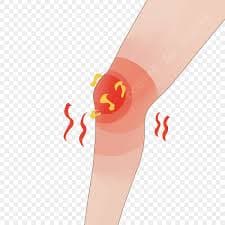
Swelling and Inflammation: Puffy, swollen, or warm skin over the joint.
Grating or Popping Sounds: A feeling or sound of friction within the joint, known as crepitus.
Loss of Function: Difficulty with daily tasks, such as walking, gripping, or bending.
Understanding the underlying causes helps doctors diagnose conditions accurately and choose the most effective treatment.

Osteoarthritis (OA), Rheumatoid Arthritis (RA), Gout/Pseudogout, Avascular Necrosis, Lupus.

Bursitis/Tendinitis: Inflammation of fluid sacs or tendons.
Inactivity/Prolonged Sitting: Stiffness occurs after resting or sleeping due to inactivity.
Overuse/Injury: Sprains, fractures, or repetitive motions.

Extra weight puts pressure on joints.
Viral infections or septic arthritis.
Low Vitamin D or Calcium.

Avascular Necrosis: Reduced blood supply to the bone.
Certain lifestyle habits, health conditions, or environmental factors may increase the likelihood of developing this condition.
The risk for conditions like osteoarthritis and rheumatoid arthritis increases as joints wear down over time.

Obesity & Overweight: Extra weight, particularly a BMI over 25–30, increases stress on weight-bearing joints (knees, hips) and causes inflammation
Previous Joint Injury: A past injury from sports or accidents can cause arthritis to develop later
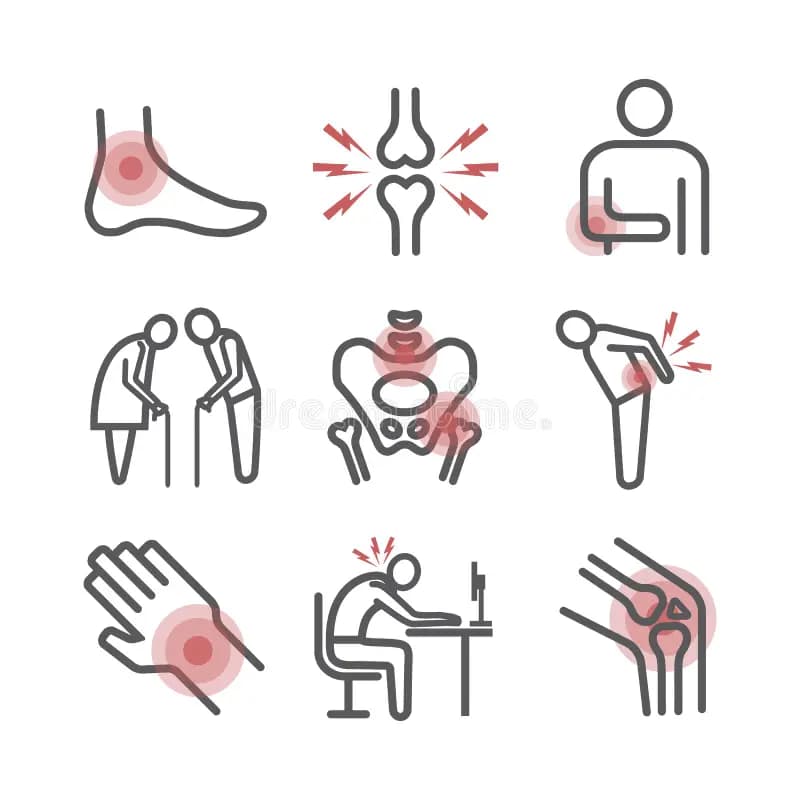
Repetitive Overuse: Frequent, repeated movement (often related to job or sports) can damage joints.

Some individuals are more prone to developing joint conditions, such as osteoarthritis, based on inherited traits.
Bacterial, viral, or fungal infections can cause reactive or septic arthritis

Conditions like lupus, fibromyalgia, and hypothyroidism can also lead to pain.
Smoking can increase your risk of getting rheumatoid arthritis and can make symptoms worse
Important highlights and key medical insights about this condition.
Symptoms: Feels like a "stuck" or "limited" sensation, distinct from muscle soreness or pain-related immobility.
Timing: Stiffness is often worst in the morning due to overnight inactivity and inflammation accumulation, sometimes lasting several hours.
Key Demographic: Often affects adults over 45, with roughly 54 million U.S. adults experiencing it.
Temperature Therapy: Warm showers or heat pads relax joints, while ice reduces inflammation.
Weight Management: Losing weight reduces pressure on joints (knees, hips, spine).
Joint stiffness is not just a natural part of aging, though it becomes more common with age.
Learn more about this speciality and how our experts help you achieve better health outcomes.
Joint stiffness primarily affects older adults (typically over age 45), individuals with chronic conditions like arthritis or lupus, and those with previous joint injuries. It is also common in people who are overweight, smoke, or lead sedentary lifestyles.
See a doctor for joint stiffness if it lasts longer than 30–60 minutes in the morning, persists for more than three days, or is accompanied by swelling, warmth, redness, or fever.
Connect with experienced doctors who specialize in treating this condition and receive professional medical guidance.

Qualifications: BHMS , BHS(Public Health ,Canada)

Qualifications: BHMS.(FMHMC), MSc Psychology and Counselling, PG Diploma in Guidance and Counselling, Diploma Interactive Drawing Therapy (IDT), Cognitive Behavioural Therapy (CBT), De‑addiction Training (NIMHANS).

Qualifications: BHMS