
Loading...
Loading...
Loading...
Joint pain is discomfort, aches, soreness, or inflammation affecting any part of a joint—including cartilage, ligaments, tendons, or bones—most commonly in the knees, hands, hips, or spine.
Joint pain (arthralgia) is discomfort, aches, or inflammation affecting any part of a joint—including cartilage, bone, ligaments, tendons, or muscles—ranging from mild stiffness to severe, chronic pain. Commonly caused by arthritis, injury, or infections, it often results in swelling, warmth, tenderness, and reduced mobility in hands, knees, hips, or spine.
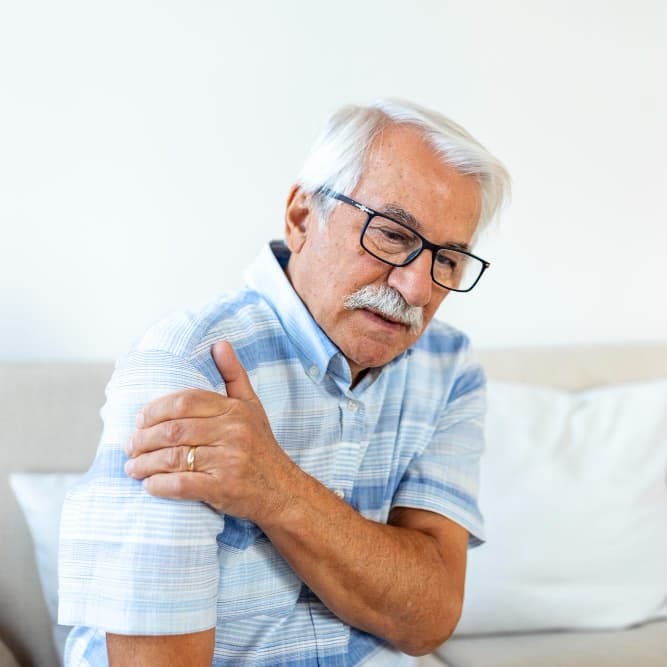
Homeopathy treats joint pain by using highly diluted natural substances tailored to an individual’s specific symptoms, aiming to reduce inflammation, alleviate stiffness, and enhance joint mobility.
Recognizing early symptoms can help identify health issues sooner and ensure timely medical care.
Specifically in the morning or after prolonged rest, which may last for more than 30 minutes.
An increase in joint size, sometimes feeling "squishy".

Painful Movement: Reduced flexibility or a feeling that the joint is locked.
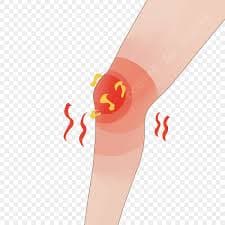
Warmth or Redness: The skin over the joint may feel hot or appear red.
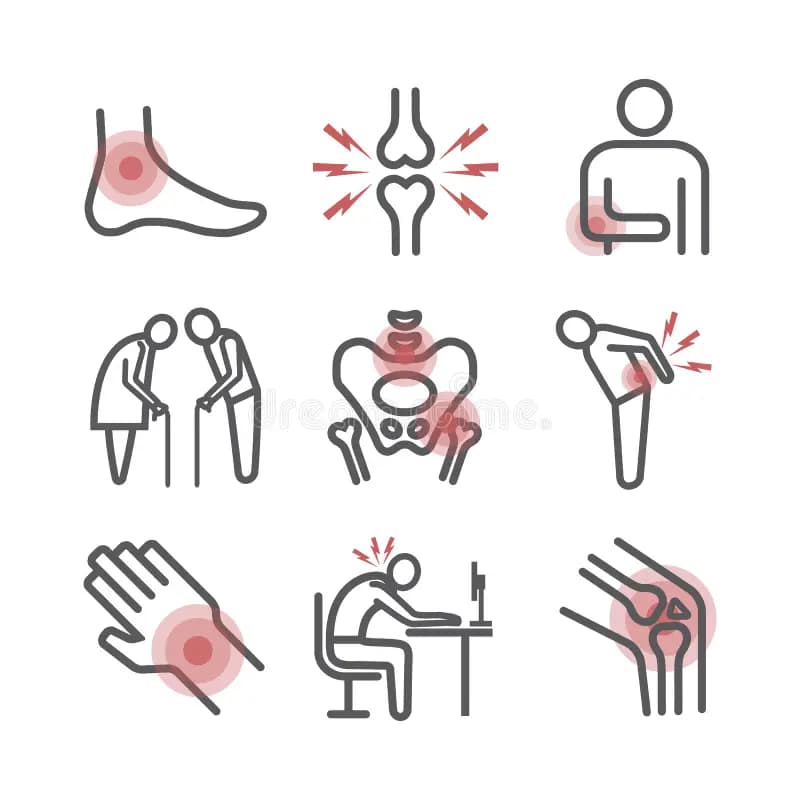
Tenderness: Painful to touch.
Muscle Tightness: Tightness or weakness in the muscles around the joint
Understanding the underlying causes helps doctors diagnose conditions accurately and choose the most effective treatment.

Osteoarthritis (OA), Rheumatoid arthritis (RA), Gout, Bursitis/Tendinitis, Lupus, Psoriatic arthritis, Fibromyalgia
Accidents or overuse can cause injury to ligaments, tendons, or bones, leading to inflammation or structural damage.
Septic arthritis or viral infections (hepatitis B, or influenza) can cause sudden joint swelling and severe pain.
Excessive weight increases pressure on weight-bearing joints like the knees and hips.
Deficiencies in nutrients like magnesium or vitamin D can lead to muscle tension and joint pain.

Depression and anxiety can cause physical symptoms, including joint pain.

Overuse: Repetitive motion during sports or work can strain joints.
Certain lifestyle habits, health conditions, or environmental factors may increase the likelihood of developing this condition.
The risk for joint pain increases as people get older, due to wear and tear over time, particularly for osteoarthritis.
Carrying extra weight places significant pressure on weight-bearing joints such as the hips, knees, and spine, increasing the risk of arthritis and aggravating pain.
Previous Joint Injuries: A previous injury, such as a tear or fracture from sports or accidents, can cause joint pain later in life.
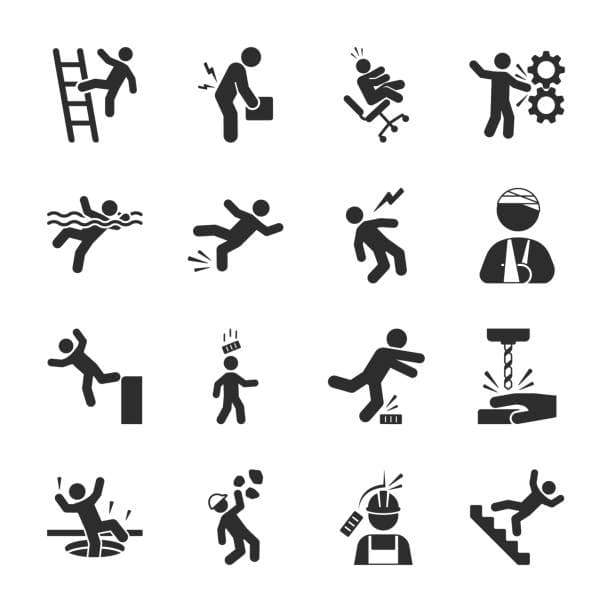
Jobs or hobbies that require repetitive motions can lead to overuse injuries, tendonitis, or chronic pain in areas like the shoulders, elbows, and knees.

Some individuals have a genetic tendency to develop joint conditions like rheumatoid arthritis or osteoarthritis.
Conditions like rheumatoid arthritis, lupus, or infections (like Lyme disease or septic arthritis) can cause significant joint pain.
Tobacco use can increase the risk of developing rheumatoid arthritis and can exacerbate existing arthritis symptoms.
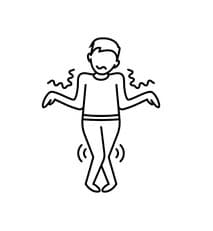
Weak Muscles: A lack of muscle strength and flexibility can lead to instability around the joints, reducing support and increasing injury risk.
Important highlights and key medical insights about this condition.
The Role of Age & Lifestyle: Aging, obesity, and sedentary lifestyles are major contributors to increased joint pain.
Joint Noises: Creaking or clicking (crepitus) is common, but only requires medical attention if it causes pain or mobility issues.
At-Home Care: Initial relief can be found through rest, ice packs, heating pads, and low-impact exercises like swimming.
When to See a Doctor: Seek care if you have sudden, severe pain, a fever, swelling, or redness, or if the pain persists for more than a few days.
Weight Management: Losing weight can reduce strain, particularly on the hips and knees.
Diet: Foods rich in omega-3 fatty acids, such as fish oil, may help reduce inflammation.
Learn more about this speciality and how our experts help you achieve better health outcomes.
Joint pain affects millions of people across all age groups, commonly impacting older adults due to wear and tear, but also younger individuals due to injuries, autoimmune conditions, or lifestyle factors.
See a doctor for joint pain if it is severe, accompanied by swelling, redness, warmth, or lasts more than a few days.
Connect with experienced doctors who specialize in treating this condition and receive professional medical guidance.

Qualifications: BHMS , BHS(Public Health ,Canada)

Qualifications: BHMS.(FMHMC), MSc Psychology and Counselling, PG Diploma in Guidance and Counselling, Diploma Interactive Drawing Therapy (IDT), Cognitive Behavioural Therapy (CBT), De‑addiction Training (NIMHANS).

Qualifications: BHMS